



Logistics, Fulfillment & Transportation
-

Beijer Ref expands U.S. distribution network with acquisitions of Key Refrigeration and Dennis Supply
The deals continue the company’s strategy of expanding its HVAC/R distribution capabilities in the United States, one of its fastest growing regions.
-

Chefs’ Warehouse Moves to Centralize Fresh Food Planning Across Its Distribution Network
The specialty distributor manages more than 88,000 SKUs and serves over 50,000 customer locations.
-

Cencora to Invest $1 Billion to Expand and Automate U.S. Drug Distribution Network
The facility will use advanced automation, including robotic handling systems, artificial intelligence, and autonomous mobile robots, to improve accuracy and throughput.
-

QED Opens Largest Distribution Center in Colorado, Expanding Centralized Logistics Network
By consolidating inventory and introducing automation, QED expects to double the number of product SKUs available to customers and reduce fulfillment times.
-
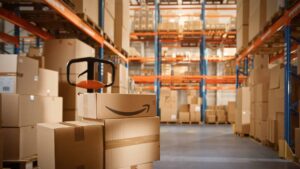
Amazon Deploys AI Systems Blue Jay and Project Eluna to Reinvent Fulfillment
Amazon calls it a significant expansion of “physical AI.”
-

TopBuild Buys Specialty Products and Insulation for $1 Billion to Expand Distribution Network
For the twelve months ending June 30, SPI generated $700 million in revenue and $75 million in EBITDA.
-

AD, TCG Members Approve Merger to Form $40 Billion PHCP Distribution Network
The approval follows the August announcement from both boards outlining their intent to merge.
-

GSK’s $30 Billion U.S. Expansion Poised to Reshape Pharma Distribution Networks
The investment move will reverberate through pharmaceutical and healthcare distribution networks, which have faced persistent supply chain disruptions.
-

Cardinal Health Opens 350,000-Square-Foot Consumer Health Logistics Center
The facility is purpose-built as a centralized replenishment hub for over-the-counter consumer health products.
-

Beating Delivery Delays with Smart Logistics: Why Distribution’s New Competitive Edge Lives in the Last Mile
Smart logistics technology isn’t replacing human expertise, it’s amplifying it.