
Distribution Events

Thought Leadership and Software for Wholesale Change Agents
News
All the latest reporting and analysis from Distribution Strategy Group.
-
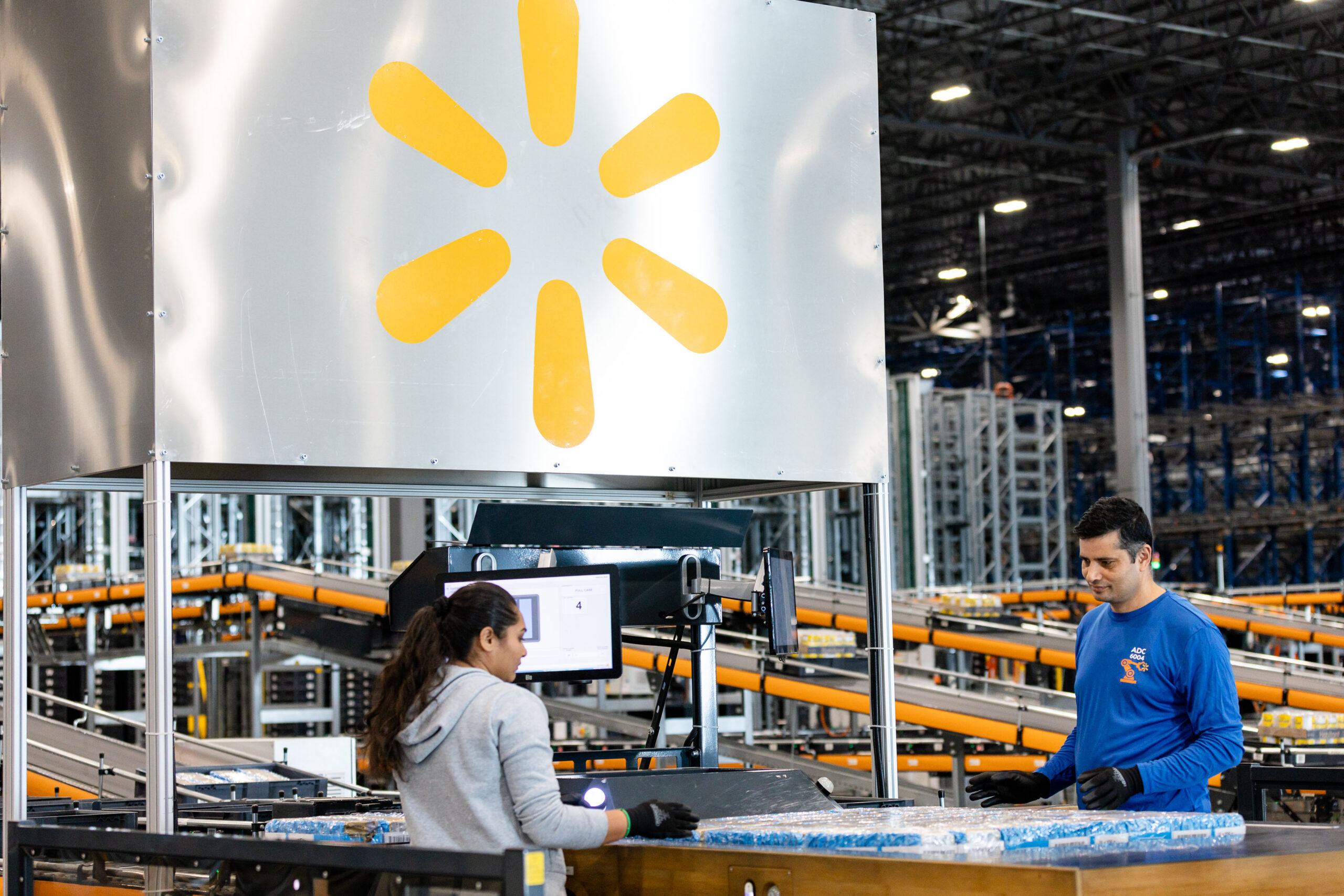
Walmart Accelerates Distribution Overhaul with Automation, AI and New Fulfillment Centers
For distributors, Walmart’s investments provide a large-scale example of how automation, AI, inventory data, and transportation can be connected rather than treated as separate supply-chain projects.
-

Lowe’s Tests Drone Delivery for Tools, Supplies in North Carolina
The initial assortment includes hand tools, paint products and household supplies such as tape, batteries, and all-purpose cleaner. Wing drones can carry orders weighing about 2.5 pounds per flight, limiting the service to small products and orders.
-

Steel Distributor UPG Enterprises Files Chapter 11, Seeks Buyers
UPG operates a portfolio of companies involved in steel distribution, processing, manufacturing, and logistics at more than 20 locations across North America.
-

FGI Industries Adds Houston Distribution Center to Expand U.S. Capacity
The Houston expansion comes as FGI seeks to increase sales through commercial channels and independent kitchen and bath distributors while expanding its branded business.
-
TD SYNNEX Q3 Sales Jump 38% as AI, Data Center Demand Drives Growth
Through the first nine months of fiscal 2026, sales reached $58.29 billion, up 29.2% from $45.13 billion during the same period last year. Net income totaled $1.08 billion, an increase of 86% from $579.3 million.
-

Essendant Sells Private Brands as a Major IT Distributor Sues Over Unpaid Debt
ORS Nasco acquired Boardwalk, GEN and Windsoft, ORS Nasco President and CEO Kevin Short announced on LinkedIn.
-

Park Wiseway Supply Group Names New CEO as Regional Platform Expands
John Simmons took over as CEO effective Sept. 21. He will lead a distribution business with 17 supply locations and six decorative plumbing and lighting showrooms across Alabama, Indiana, Kentucky and Ohio.
-

RPM to Acquire Volteco, Expanding Waterproofing Portfolio for Construction Channel
For distributors, that is the central issue in the acquisition: RPM is not simply adding €28 million ($31.9 million) in annual sales. It is acquiring another specialized technology platform that can be plugged into Tremco CPG’s existing construction channel and sold as part of a broader building envelope portfolio.
-

U.S. Business Activity Hits Five-Year High as Manufacturing Accelerates
Manufacturers remained confident about the year ahead, with factory sentiment back to their long-term average. Service-sector confidence remained below its historical trend amid concerns about the cost of living, higher borrowing costs, and political uncertainty.
-

AutoZone Commercial Sales Rise 10.6% as Professional Market Becomes Top Growth Priority
About 2,000 commercial programs are connected to a Mega Hub network. Those programs generate 16% more annual sales than AutoZone’s other commercial programs, according to chief financial officer Jamere Jackson.