


Sales & Marketing
-

How to Build Successful B2B Customer Loyalty Programs
Customer loyalty and incentive programs can help wholesale distribution companies build meaningful relationships with their customers to gain mindshare and wallet share.
-

Digitally Native Vertical Brands: Lessons for B2B Channels
As of yet, the Digitally Native Vertical Brand is not common in B2B markets. But B2B channels can learn from the success of DNVBs.
-

High-Tech AND High-Touch: How Distributors Can Win in a B2C World
If you aren’t building high-tech platforms that make it hyper-efficient for your customers to execute simple transactions, you’re losing the game. But simply adopting a high-tech model isn’t the answer either.
-

How to Get Your Brand Out of the Graveyard
You’ll know you’re stuck in a brand graveyard if your customers only buy a small percentage of your product offering, only buy big products from you but not accessories to those, and buy infrequently.
-

If Marketplaces are a Must, Should You Build Your Own?
Independent alternatives to third-party marketplaces like Amazon are emerging, and some distributors have found success selling through them. This has many wondering if they should build their own marketplaces.
-

Wholesale Change: Leverage Customer Loyalty Programs for Long-Term Growth (November 18, 2020)
Learn why loyalty is a powerful emotion and how to leverage it in B2B, best practices in designing loyalty and incentive programs, and how to manage program success.
-
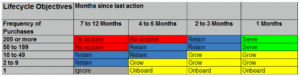
Prevent Customers From Leaving You
For some companies, an annual increase of 1% in customer retention over each of the next ten years results in 20% increase in annual earnings. Retention is powerful for several reasons.
-

When Your Sales Team Sabotages Your eCommerce Initiative
When salespeople are slow to embrace ecommerce, they miss opportunities that not only hurt the company, but the customers they are trying to help. They’re even hurting themselves.
-
Local SEO for B2B: How Distributors Can Optimize for Local Search
If you are a distributor on a quest to get on page one of Google, don’t neglect the importance of being found locally. Here’s how to set yourself up for success with Local SEO.
-

Why Some Distribution Verticals Are More Vulnerable to Disruption
To understand how vulnerable a distribution vertical is to disruption, look at the relationship between the product category’s complexity and the ability for the distributor to deliver that product using common small-package carriers.