

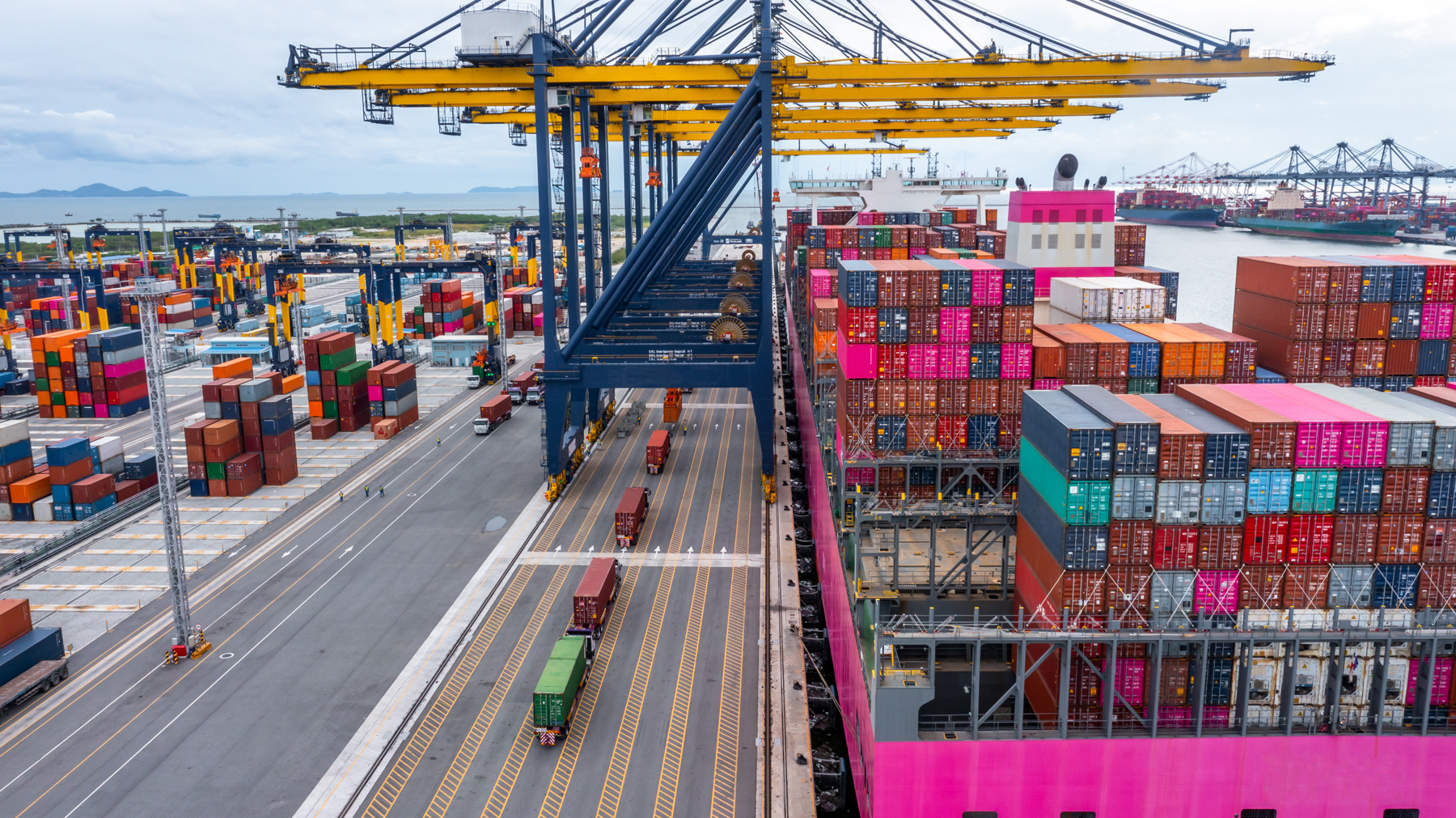
The White House announced sweeping tariffs on Tuesday, April 2, 2025, using the International Emergency Economic Powers Act (IEEPA) to leverage a 10% tariff on all goods coming into the country. These tariffs go into effect April 5.
Don’t miss any content from Distribution Strategy Group. Join our list.
Tariffs are a fee that U.S.-based companies pay the federal government when they import affected products into the country; it is based on the declared value of the good before it enters the U.S.
Reciprocal tariffs also announced Wednesday, which will go into effect April 9, include:
- 20% tariff on goods from the European Union
- 34% tariff on Chinese imports (on top of original 20% tariff)
- 46% tariff on products from Vietnam
Existing IEEPA orders for Canada and Mexico remain in effect, with USMCA-compliant goods excluded from the order and non-USMCA compliant goods hit with a 25% tariff.
According to the White House Fact Sheet, the administration excluded steel and aluminum articles and autos/auto parts already subject to Section 232 tariffs; copper, pharmaceuticals, semiconductors and lumber articles; all articles that may become subject to future Section 232 tariffs; bullion; and energy and other minerals that are not available in the U.S.
According to a March Association for Supply Chain Management survey of 400 professionals, 65% of organizations plan to pass on increased costs to their customers. Forty-one percent plan moderate price hikes, and 20% predict high increases. Just 3% said they would implement “extreme markups.”
Companies are also planning the following strategies to mitigate tariff impacts, according to the ASCM:
- Absorbing the costs internally (40%)
- Renegotiating supplier contracts (40%)
- Stockpiling inventory (34%)
- Seeking tariff exemptions (26%)
Share this article:
