


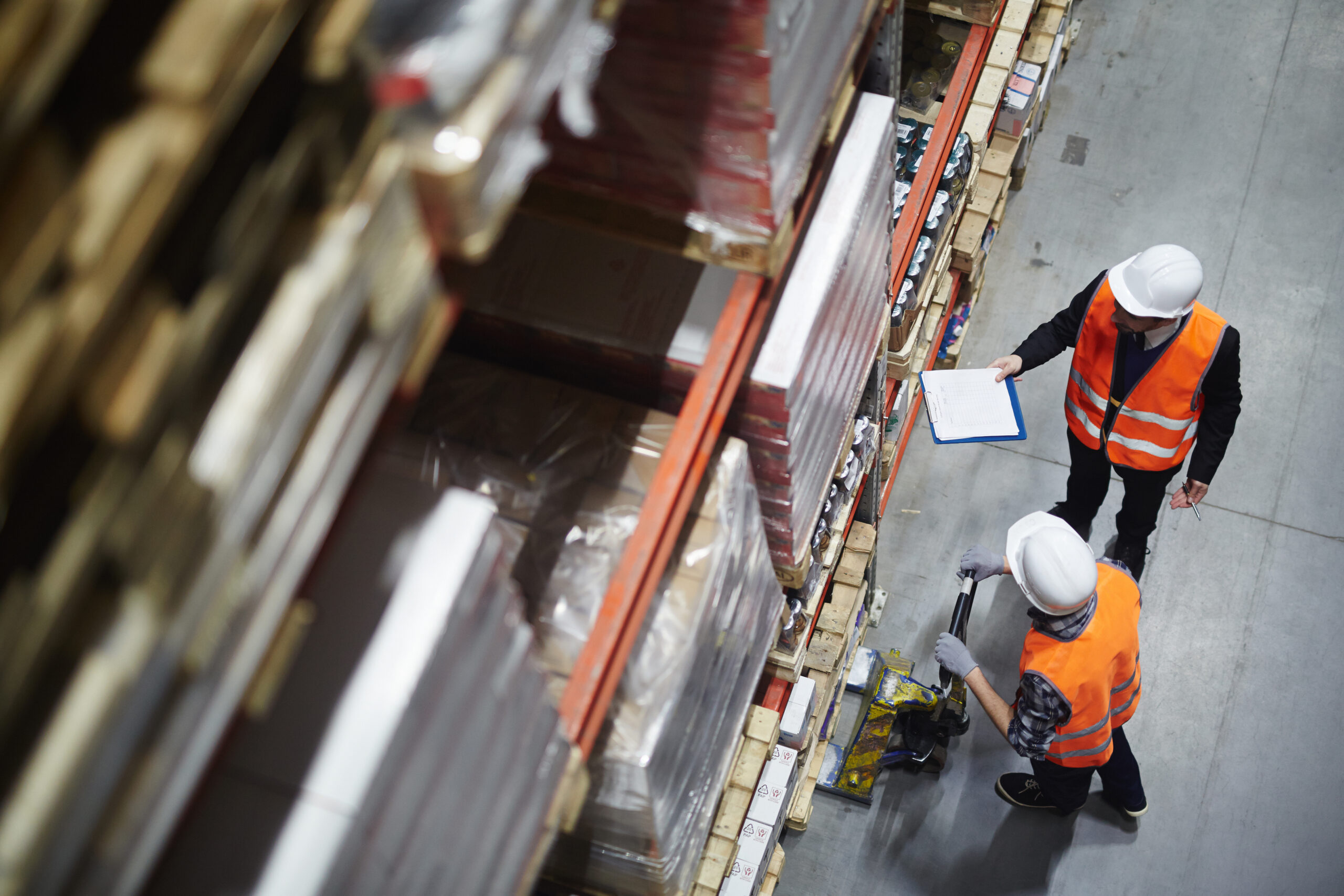
Automation and AI are improving workflows and helping warehouses remain competitive with other facilities. Many workers worry that these machines will replace them, but technology will simply shift their responsibilities. Reskilling and upskilling are strategies to ensure warehouses run smoothly after technological advancements. Supply chain and logistics professionals, business decision-makers, quality assurance (QA) practitioners, and software engineers can support workers in learning the skills to manage automation, thereby improving a company’s future growth.
Why are Reskilling and Upskilling Warehouse Workers Important?
In the era of AI and automation in supply chains and warehouses, reskilling and upskilling workers is crucial to the company’s overall success. It is more expensive to hire new employees than to train existing ones. Additionally, choosing to keep employees over bringing in new ones fosters loyalty and engagement while helping employees maintain institutional knowledge.
As automation introduces new technologies, companies may create new roles to manage complex AI-related responsibilities. Experienced, upskilled workers can fill these roles, building operational resilience and adaptability in an automated supply chain.
Skills Warehouse Workers Should Develop
There are many areas where employees need to adapt to meet the complex needs of automation.
Potential Reskilling Opportunities
Reskilling involves learning new abilities to meet a role’s evolving needs. When workers perform tasks effectively, QA practitioners and software engineers can complete technical checks and address test challenges more accurately. With automation and AI, workers need to learn to interpret data and analytics. Automated machines collect large amounts of information. Workers should know how to handle and categorize that data for future use.
Workers can also learn to maintain robotics and automation machinery, such as automated guided vehicles (AGVs) and articulated robot arms. Automated robots simplify warehouse processes and allow workers to focus on more critical tasks. However, employees should know how to troubleshoot machinery when it breaks down and how to maintain it to avoid sudden stops or malfunctions. Workers must also learn how to collaborate with this machinery to create a unified warehouse workflow.
System management is a valuable skill for warehouse workers. AI and automation come in many types of systems and software, including warehouse management systems and robotic process automation. When employees properly manage these complex systems, they can utilize them to their advantage and optimize the workspace.
Because AI and automation are often available on networks, another skill is the development of cybersecurity identification and response. These machines are at a heightened risk of attack, so workers should learn how to identify and stop attacks before they harm the warehouse. One way is by correctly identifying problematic websites. Some tips include looking for spelling mistakes in the URL or noticing a lack of an HTTPS lock. Having this knowledge base protects machinery and companies from cyberattacks.
Potential Upskilling Opportunities
There are also areas where workers can be upskilled to meet the needs of AI and automation in warehouses. Complex problem-solving is a skill that most automated systems lack, so humans should continue to develop it to tackle complex issues.
Project management and leadership are also invaluable. With automation handling all the tedious tasks, human workers have more time to manage projects and lead their co-workers through difficult ones. Employees must also learn how to manage their relationship with the machines, like how to work alongside them and when to assign tasks to them. Good management and leadership skills help streamline warehouse operations.
Workers should also learn how to adapt to AI and automation equipment and foster continuous learning as the technology evolves. AI and automation are rapidly evolving, so being able to adapt is crucial. Warehouse employees who can learn and relearn how to operate different machinery and work with automation are valuable.
Plan For Reskilling and Upskilling Warehouse Workers
When finding ways to reskill and upskill workers, having a solid roadmap is ideal. The following are key aspects to incorporate into training plans.
1. Analyze Where Skills Need Work
The first step is to assess employees’ current abilities against the desired ones for the new technology. Supply chain professionals should examine how current staff can support automation and AI, and which skills are most necessary once the warehouse implements the equipment. This process allows professionals to notice performance gaps.
2. Create Comprehensive Training Programs
Once professionals know how workers need to reskill or upskill, then they can begin creating comprehensive training programs. Some warehouses work with a partner who can provide equipment training on the specific automation and AI machinery that will be in the warehouse. During this training, identifying mentors who can transfer knowledge to other employees is helpful.
Also, some professionals work with local universities to host online or in-person courses for further learning. These classes allow workers to gain a broad understanding of AI and automation and how this technology operates. A common incentive is awarding workers certification badges to motivate them to pass the course and prove their newfound expertise in the field.
3. Prepare Workers for Continuous Improvement
Upskilling and reskilling are ongoing processes since technology is constantly evolving. An essential aspect of the plan is informing workers that learning is continuous and that workers may need to retake courses and update their knowledge base to accommodate new technology. Transparency about this from the beginning prepares them for the future.
Upskilling in Action: How Amazon Upskills Employees
Amazon currently offers several educational programs to help employees develop their skills. One popular topic is cloud computing, which falls under the AI and automation umbrella. As many as 70,000 employees have taken advantage of this opportunity, according to Amazon. Many other companies are implementing similar initiatives, either through their own programs or through third-party organizations. Regardless, new technology calls for a reordering of skills.
Warehouse Workers Are a Powerful Asset
The workforce is critical when utilizing automation and AI in warehouses. A reskilled workforce committed to growth is impactful. Humans still run the future of warehouse operations, but the potential is now enhanced by new technology.
Share this article:
