
Thought Leadership and Software for Wholesale Change Agents
Operations
-

Noble Supply & Logistics Files Chapter 11 as Defense Contract Problems Mount
For distributors, Noble’s collapse illustrates the potential downside of building inventory and working-capital requirements around a large customer contract.
-

Parts Town Expands Distribution Network With 538,450-Square-Foot Georgia Center
The Georgia investment expands a distribution model increasingly built around positioning inventory closer to customers while using automation and robotics to increase fulfillment speed and capacity.
-
Grainger Buys AWM Technology Assets for $210 Million to Expand Inventory Management
Adroit Worldwide Media, or AWM, develops technology that uses artificial intelligence, computer vision, and sensors to automate inventory tracking and replenishment.
-
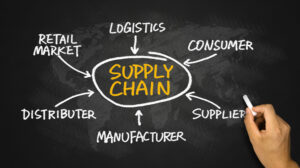
Electronics Supply Chain Tightens as Component Shortages, Lead Times Worsen
The findings could have broader implications for electronics distributors if manufacturers increase orders or carry more inventory to protect against longer lead times.
-

U.S. Tariffs on Canadian Goods Take Effect as Distributors Lean on Pricing
For distributors, the result is a patchwork of tariffs imposed under different laws, covering different countries and products and carrying different expiration dates and legal risks.
-

U.S. Industrial Leasing Jumps 49% as Companies Rework Distribution Networks
Persistent labor constraints and higher wages are accelerating investment in warehouse technology, according to JLL. Companies increasingly want buildings with the clear heights, power capacity and structural specifications required for robotics and other automated systems.
-

S&P Global: AI Demand, Material Shortages Reshape Supply Chain Risks
Across distribution, tariff uncertainty is also encouraging companies to bring in inventory earlier and rebuild safety stocks.
-
Grainger Opens 550,000-Square-Foot Oregon Distribution Center
Grainger has made distribution capacity a central part of its North American strategy, investing in warehouses, automation, and inventory to support product availability and delivery times.
-

You Can’t Automate a Custom Job: Breaking the Bottleneck of ‘Gut Feel’ Pricing
Distributors have evolved into strategic partners, but treating every quote like a ‘custom job’ is a bottleneck you can no longer afford. It’s time to trade ‘gut feel’ for a smart, hybrid pricing system that automates the routine, protects your profits, and scales as fast as your business
-
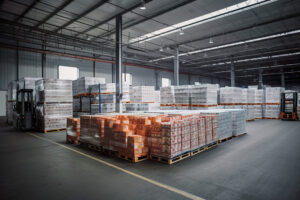
PFG’s Growth Is Driving Up Freight, Fuel and Distribution Costs
The combination of organic customer growth and acquisitions is increasing the amount of business PFG’s distribution infrastructure must support.