Distribution Events

Thought Leadership and Software for Wholesale Change Agents
Sales Strategy
-

If Marketplaces are a Must, Should You Build Your Own?
Independent alternatives to third-party marketplaces like Amazon are emerging, and some distributors have found success selling through them. This has many wondering if they should build their own marketplaces.
-
Prevent Customers From Leaving You
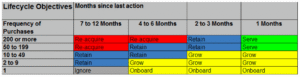
For some companies, an annual increase of 1% in customer retention over each of the next ten years results in 20% increase in annual earnings. Retention is powerful for several reasons.
-

When Your Sales Team Sabotages Your eCommerce Initiative
When salespeople are slow to embrace ecommerce, they miss opportunities that not only hurt the company, but the customers they are trying to help. They’re even hurting themselves.
-

Why Some Distribution Verticals Are More Vulnerable to Disruption
To understand how vulnerable a distribution vertical is to disruption, look at the relationship between the product category’s complexity and the ability for the distributor to deliver that product using common small-package carriers.
-

How Minimum Order Quantity (MOQ) Can Solve Small-Order Problems
Setting a Minimum Order Quantity is quick, predictable, and perfectly suited for the V-shape recovery. It’s a great strategy for distributors that have taken a hit to their cashflow over 2020 and are looking for short-term relief.
-

Why Sales Reps Go Straight to Price: 3 Challenges in Selling Value
We talk a lot about the importance of sales reps’ selling value, rather than going directly to price.
-

Why Is Cross-Selling Effectively So Difficult for Distributors?
Selling more to existing customers is more profitable than acquiring new customers. So why don’t many distributors succeed at effectively cross-selling to their customers?
-

What is Your Product? Knowledge, Information and Service
Here’s what to consider when considering what “product” means to your distribution business and your customer relationships.
-

Wholesale Change Show: Selling Value, Not Price (September 2, 2020)
Many distributors have spent time creating a value proposition their companies rally around, but salespeople often stumble when it comes time to sell that value to prospects. Your company’s value is more than “better pricing” or “great customer service.” Instead, selling value involves a focus on the benefits for the customer.
-

The Role of AI in Building a Better B2B Sales Model
Here’s why hybrid models are ideal for this new sales landscape, how outside sales reps are primed to dominate this disrupted environment, and what tools including AI they’ll need to do it.