



-

Border States Elevates Cybersecurity Leadership with VP Appointment
In his new role, he will oversee the company’s cybersecurity strategy, enterprise risk management and cyber resilience initiatives as Border States continues to expand its digital capabilities.
-

U.S. Manufacturing Growth Slows in July as Supply Chain Pressures Intensify
For distributors serving industrial customers, the report points to continued manufacturing expansion but a more measured pace of activity.
-

Packer Fastener Opens Salt Lake City Distribution Center
The expansion comes less than two months after Packer Fastener opened a distribution center in Indianapolis on June 1, continuing a strategy of adding capacity in markets experiencing strong industrial and commercial construction activity.
-

Mission Critical Group Makes Play for Transformer Supply
For distributors, the transaction reflects a broader trend toward vertical integration among suppliers serving the rapidly growing data center and power infrastructure markets.
-

Brookfield Bets Big on Industrial Distribution with Gregg Acquisition
Unlike distributors tied primarily to new construction, MRO distributors generate a significant share of revenue from replacement parts and consumable products needed to keep factories, mines and industrial facilities operating, making their sales less vulnerable to economic swings.
-
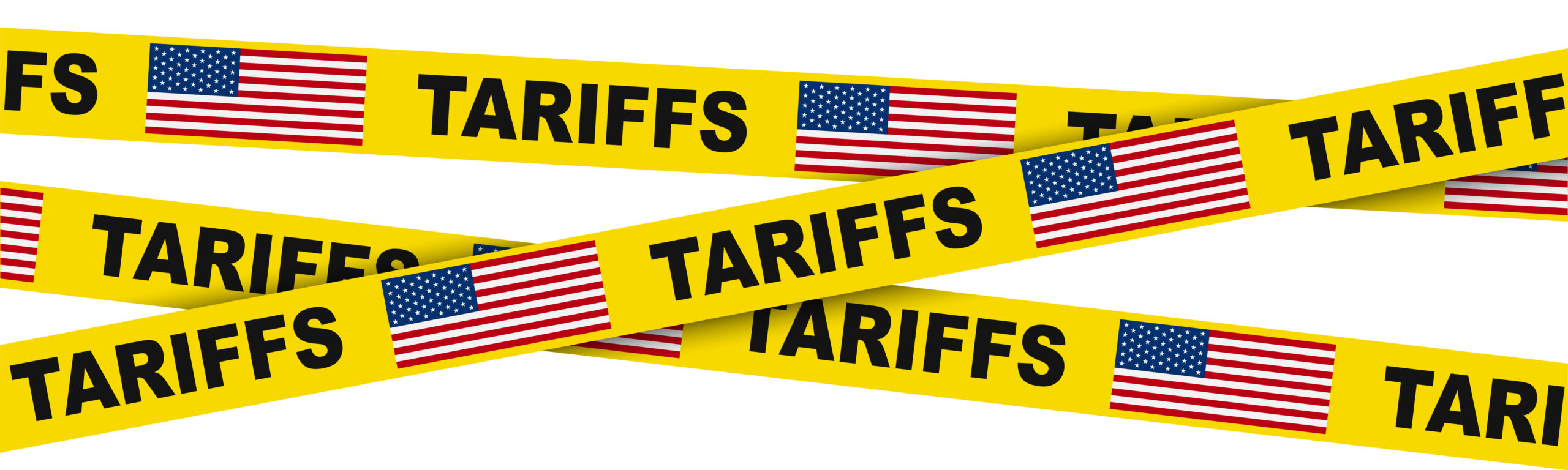
Tariff Uncertainty Returns as Distributors Prepare for Fourth Quarter Buying
Distributors with fixed-price contracts face an additional challenge. Companies without tariff pass-through provisions may have to absorb higher costs until agreements can be renegotiated, increasing pressure on margins.
-

Borgman Capital Acquires CMW Equipment, Expands Investment in Construction Equipment Distribution
The transaction reflects continued merger and acquisition activity in specialty distribution, where private equity firms have remained active buyers of companies with established regional market positions and diversified revenue streams that include equipment sales, rentals, replacement parts, and aftermarket service.
-

Pool Corp. Sales Rise 2% in Q2 as Maintenance Demand Offsets Softer Consumer Spending
For distributors, the results reinforce a trend emerging across several specialty markets: recurring maintenance and repair activity provides a more dependable source of growth than discretionary spending.
-
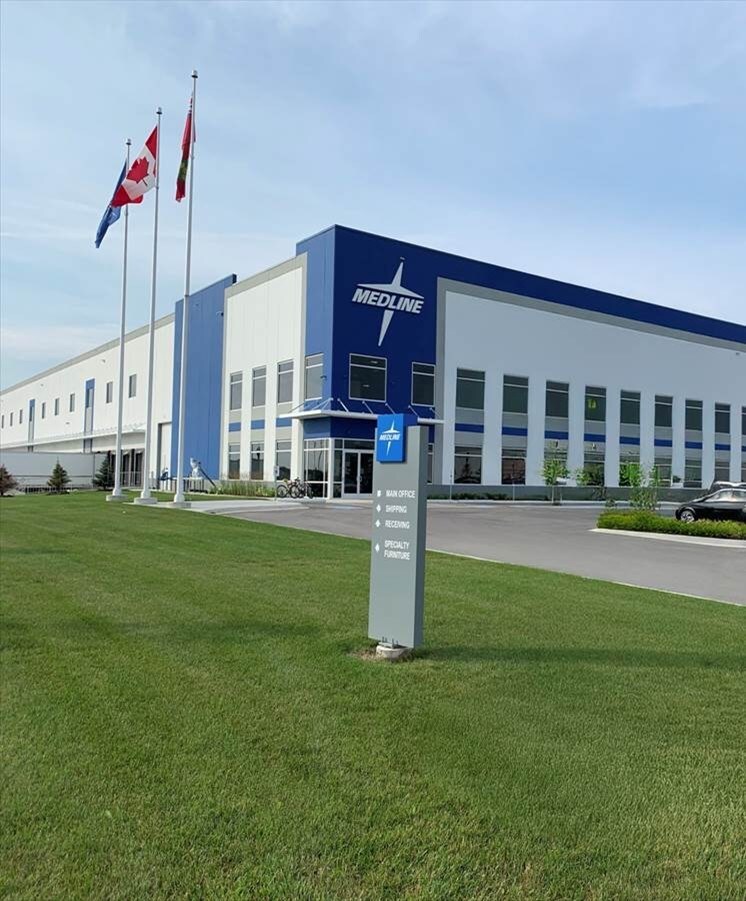
Medline Nears 5 Million Square Feet of California Capacity in Fire Recovery
The expansion follows a June 11 fire that destroyed Medline’s 1 million-square-foot distribution center in Tracy, California, which served healthcare providers throughout Northern California.
-
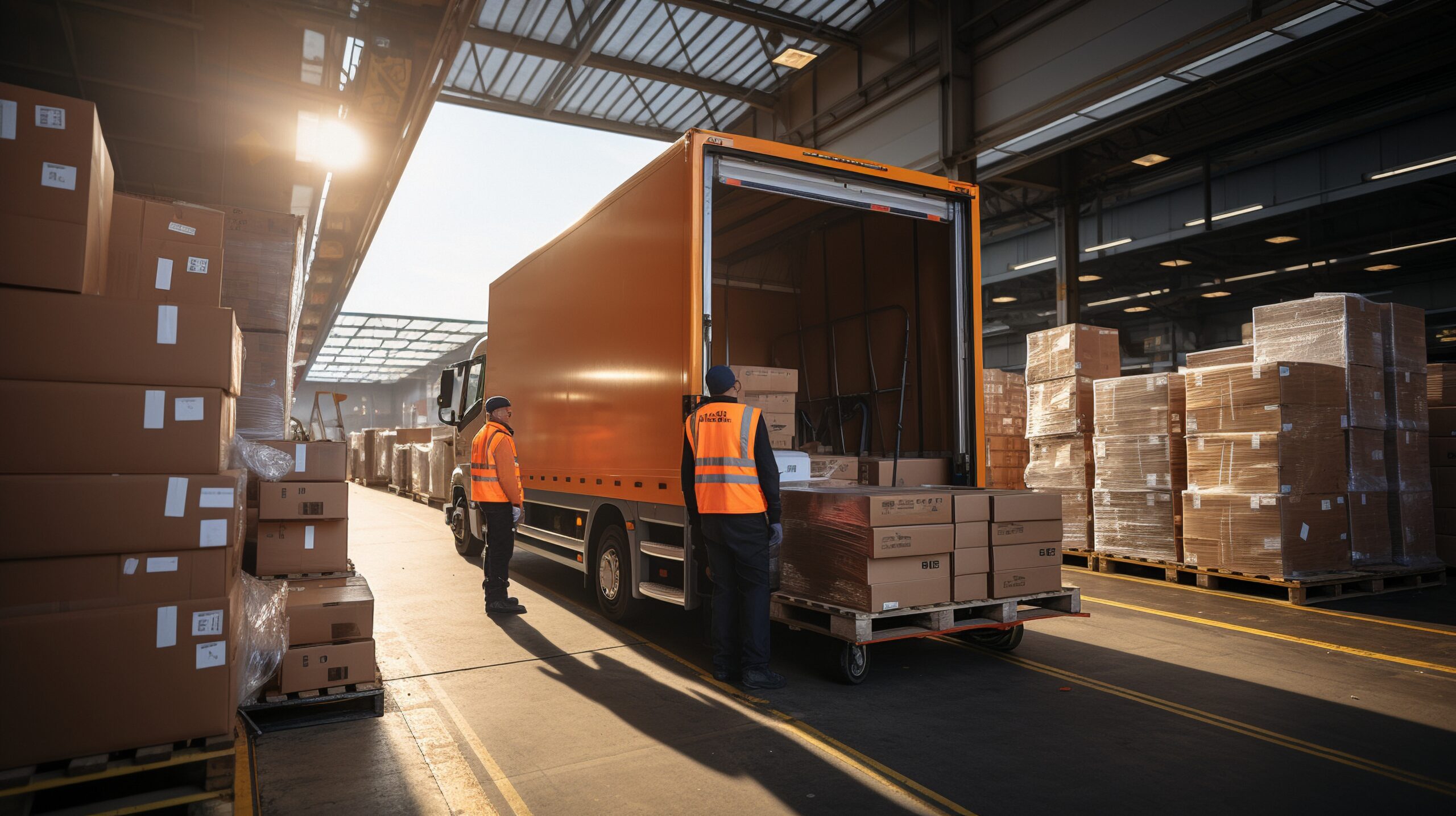
Industrial Freight Shows Signs of Recovery, Giving Distributors a More Stable Shipping Environment
Carrier executives say the improving freight mix reflects stronger manufacturing activity rather than a broad recovery across the economy.