



Warehousing & Distribution Centers
-
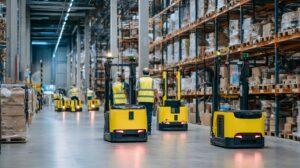
AlarMax Expands Logistics, Training Capabilities with New Fulfillment Center and Innovation Lab
The investments reflect a broader shift in specialty distribution as security, access control, networking and audiovisual systems become more integrated and technically complex.
-

Chefs’ Warehouse Delivers Double-Digit Sales Growth as Restaurant Demand Remains Strong
Chefs’ Warehouse reaffirmed its full-year outlook, projecting 2026 sales of $4.50 billion to $4.60 billion and gross profit of $1.10 billion to $1.13 billion, reflecting continued confidence in demand from independent restaurants and other foodservice customers.
-

Honeywell Completes Sale of Warehouse Automation Business to American Industrial Partners
The divestiture is the latest step in Honeywell’s restructuring strategy as the company narrows its focus to industrial automation, software, and autonomous operations.
-

Packer Fastener Opens Salt Lake City Distribution Center
The expansion comes less than two months after Packer Fastener opened a distribution center in Indianapolis on June 1, continuing a strategy of adding capacity in markets experiencing strong industrial and commercial construction activity.
-
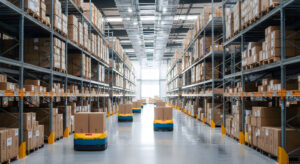
Warehouse Integration Emerges as Bigger Challenge Than Automation
The findings come as distributors continue investing in warehouse modernization to improve productivity, offset labor shortages and meet growing customer expectations for faster and more accurate order fulfillment.
-
Honeywell to Sell Warehouse Automation Business in Portfolio Overhaul
For distributors, the transaction reflects continued investment in warehouse automation as companies seek greater throughput, improved labor productivity, and more efficient fulfillment operations.
-
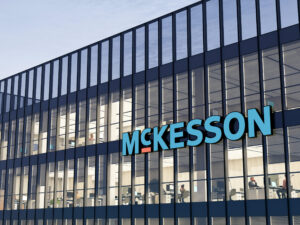
McKesson Plans $179 Million Distribution Center in Oklahoma
McKesson said the facility will include automated material-handling systems, digital logistics technology, precision inventory management and expanded cold-chain storage capacity.
-

Building Materials, Distribution Investment Remains Strong as Companies Expand Warehouses, Upgrade Facilities
Industrial SalesLeads tracked 38 building materials and distribution projects in May and 212 projects during the first five months of 2026.
-

Amazon Unveils AI-Powered Warehouse Robot That Responds to Natural Language
Amazon said the current Proteus robot operates at 25 U.S. sites and is limited to dock areas, where it moves carts weighing 400 kilograms, or about 882 pounds.
-

Continental’s $76 Million Warehouse Investment Signals Continued Push Toward Automated Distribution
For distributors, the message is clear: investments in warehouse productivity, automation and network efficiency are no longer optional initiatives but core components of long-term growth strategies.