



Why This Matters to Distributors: Continental’s investment is less about manufacturing capacity and more about distribution capability. The project reflects how manufacturers are increasingly treating logistics, inventory positioning, and fulfillment speed as competitive differentiators, raising expectations for distributors throughout the supply chain.
Continental’s decision to invest $76 million in a highly automated warehouse at its Mount Vernon, Illinois, tire plant highlights a broader shift occurring across industrial supply chains: manufacturers are putting more capital into distribution infrastructure as they seek faster delivery times, greater inventory visibility, and improved customer service.
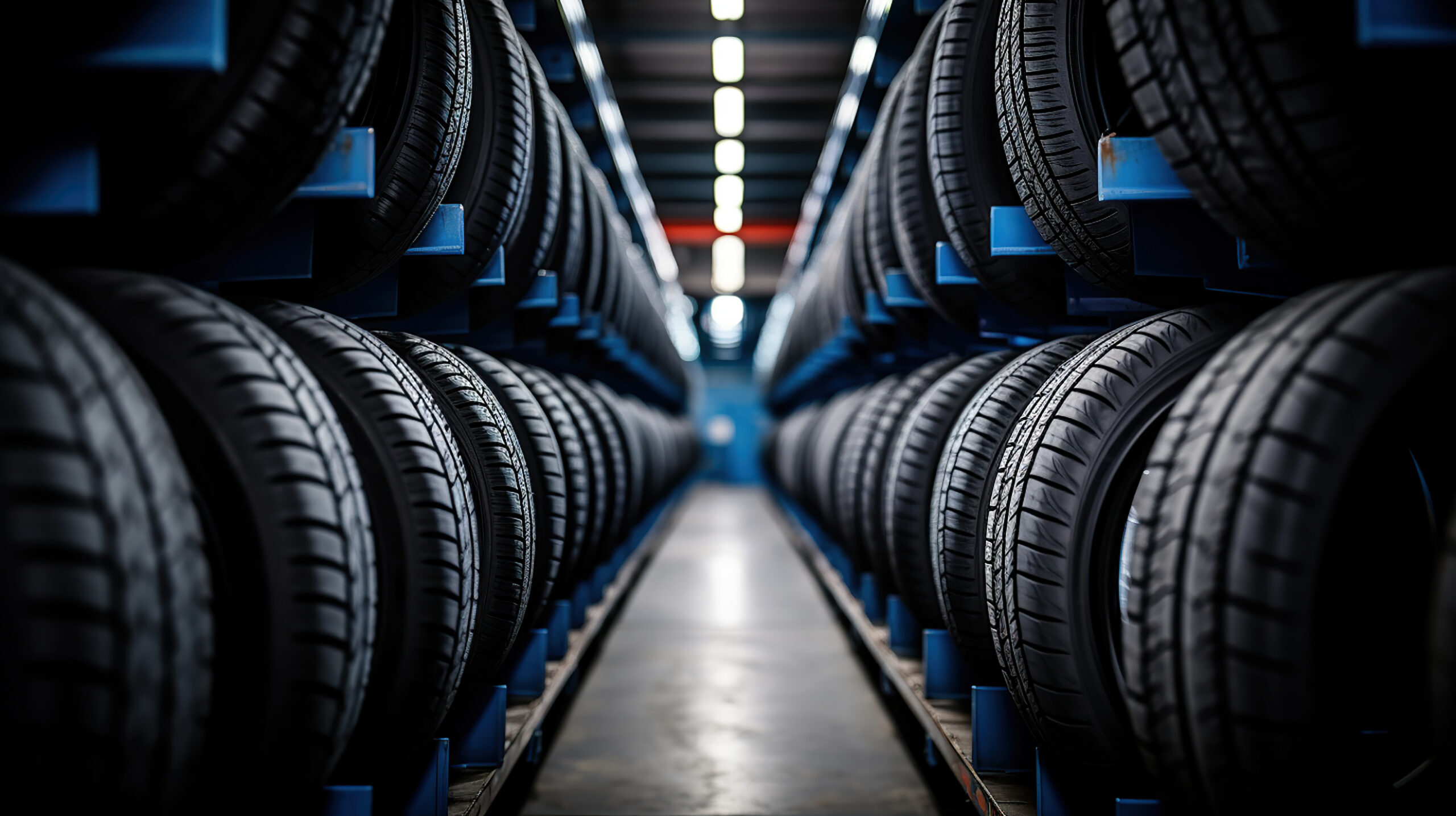
The new facility, scheduled to begin operations in 2027, will store approximately 500,000 passenger vehicle tires, and serve as a key distribution hub for Continental’s North American tire business. While the project is being built adjacent to the company’s largest U.S. tire manufacturing plant, the investment is primarily aimed at strengthening logistics and fulfillment capabilities rather than increasing production capacity.
For distributors, the announcement underscores the growing importance of warehouse automation and network efficiency as customers increasingly expect rapid product availability and reliable delivery performance.
The project comes amid a multi-year wave of distribution center investments across manufacturing and wholesale sectors. Companies ranging from industrial suppliers and building products distributors to electrical, HVAC and automotive firms have expanded warehouse networks and deployed automation technologies to improve inventory accuracy, reduce labor requirements, and accelerate order fulfillment.
Continental said the Mount Vernon warehouse will be highly automated and designed to support growing North American demand while improving service levels. The facility will provide additional storage capacity for finished goods and help move products more efficiently through the company’s distribution network.
“Our new highly automated finished-goods warehouse underscores our growth ambitions in North America,” said Tansu Işık, chief executive officer of Continental Tires Americas, in a statement.
The investment reflects a broader trend in which manufacturers increasingly view logistics operations as a strategic asset rather than a back-office function. As transportation costs remain elevated and customer expectations for speed continue to rise, companies are seeking greater control over inventory placement and fulfillment operations.
For distributors serving automotive, industrial and transportation markets, the project also signals continued confidence in North American demand despite ongoing economic uncertainty. Continental is committing significant capital to a facility designed to improve product availability and customer responsiveness across the region.
The Mount Vernon site already plays a key role in Continental’s supply chain. The plant produces approximately 11.4 million tires annually and employs more than 3,500 workers, making it the company’s largest tire manufacturing operation in the United States.
The warehouse project is expected to further integrate manufacturing and distribution activities at the site, reducing handling requirements and improving the flow of finished products from production lines to customers.
As more manufacturers invest directly in automated logistics infrastructure, distributors may face increasing pressure to match those capabilities. Advanced warehouse management systems, automated storage technologies, real-time inventory visibility, and faster fulfillment cycles are becoming standard expectations across industrial supply chains.
The Continental project illustrates how distribution operations are increasingly becoming a source of competitive advantage. For distributors, the message is clear: investments in warehouse productivity, automation and network efficiency are no longer optional initiatives but core components of long-term growth strategies.
Do not miss any content from Distribution Strategy Group. Join our list.
Share this article:
