Finance & Strategy
-

SiteOne Grows Sales and Profit Despite Weak Housing Market, Continues Acquisition Push
SiteOne expects organic daily sales growth to range from flat to 1% for the full year, supported by continued pricing actions and commercial initiatives. The company also expects acquisitions to remain an important source of growth in 2026.
-
Watsco Expands Through Acquisition, Accelerates AI Investment as HVAC Market Stabilizes
Watsco said it has invested more than $250 million in digital technology over the past five years, including customer-facing applications, internal operating systems, and emerging AI capabilities.
-

IBT Industrial Solutions Expands Southeast Footprint with Indesco Acquisition
The deal is the latest example of continued consolidation across the industrial distribution sector, where distributors are using acquisitions to expand regional coverage and add specialized technical capabilities rather than simply increasing scale
-

Brookfield Bets Big on Industrial Distribution with Gregg Acquisition
Unlike distributors tied primarily to new construction, MRO distributors generate a significant share of revenue from replacement parts and consumable products needed to keep factories, mines and industrial facilities operating, making their sales less vulnerable to economic swings.
-

Borgman Capital Acquires CMW Equipment, Expands Investment in Construction Equipment Distribution
The transaction reflects continued merger and acquisition activity in specialty distribution, where private equity firms have remained active buyers of companies with established regional market positions and diversified revenue streams that include equipment sales, rentals, replacement parts, and aftermarket service.
-

FreightCar America Expands Rail Parts Distribution with Southern Parts Acquisition
The acquisition adds Southern Parts & Equipment’s customer relationships, product expertise, and sourcing capabilities to FreightCar America’s existing aftermarket business.
-
Graybar Expands in New Jersey with Acquisition of Samson Electrical Supply
With three acquisitions announced in less than five months, Graybar remains one of the most active acquirers in the electrical distribution sector in 2026.
-

QXO Unveils Post-Acquisition Playbook, Betting Technology and Scale Will Drive Growth
QXO said builders, general contractors and large commercial projects such as data centers present the greatest opportunity because those customers typically purchase roofing, insulation, waterproofing, lumber, doors, windows, and other building products for the same job.
-

ACR Acquires RediBagUSA to Expand Sustainable Packaging Business
The acquisition reflects continued consolidation in the packaging and food service distribution sector, where distributors are using acquisitions to expand product categories, strengthen sourcing capabilities and offer customers a broader range of consumable products through a single supplier.
-
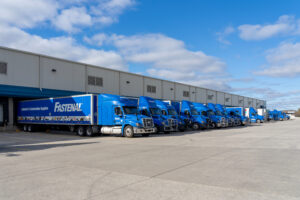
Fastenal Turns to AI, Acquisitions as Next CEO Takes Over
The company expects approximately $320 million in net capital expenditures this year, equal to about 3.5% of projected sales. Spending will support distribution center capacity and automation, FMI devices, and information technology infrastructure.