


Why This Matters to Distributors: Snap-on’s results reveal a split market — customers in aerospace, manufacturing and defense are buying, while auto repair technicians are pulling back — a divide that wholesale distributors serving both segments need to understand heading into the second half of 2026.
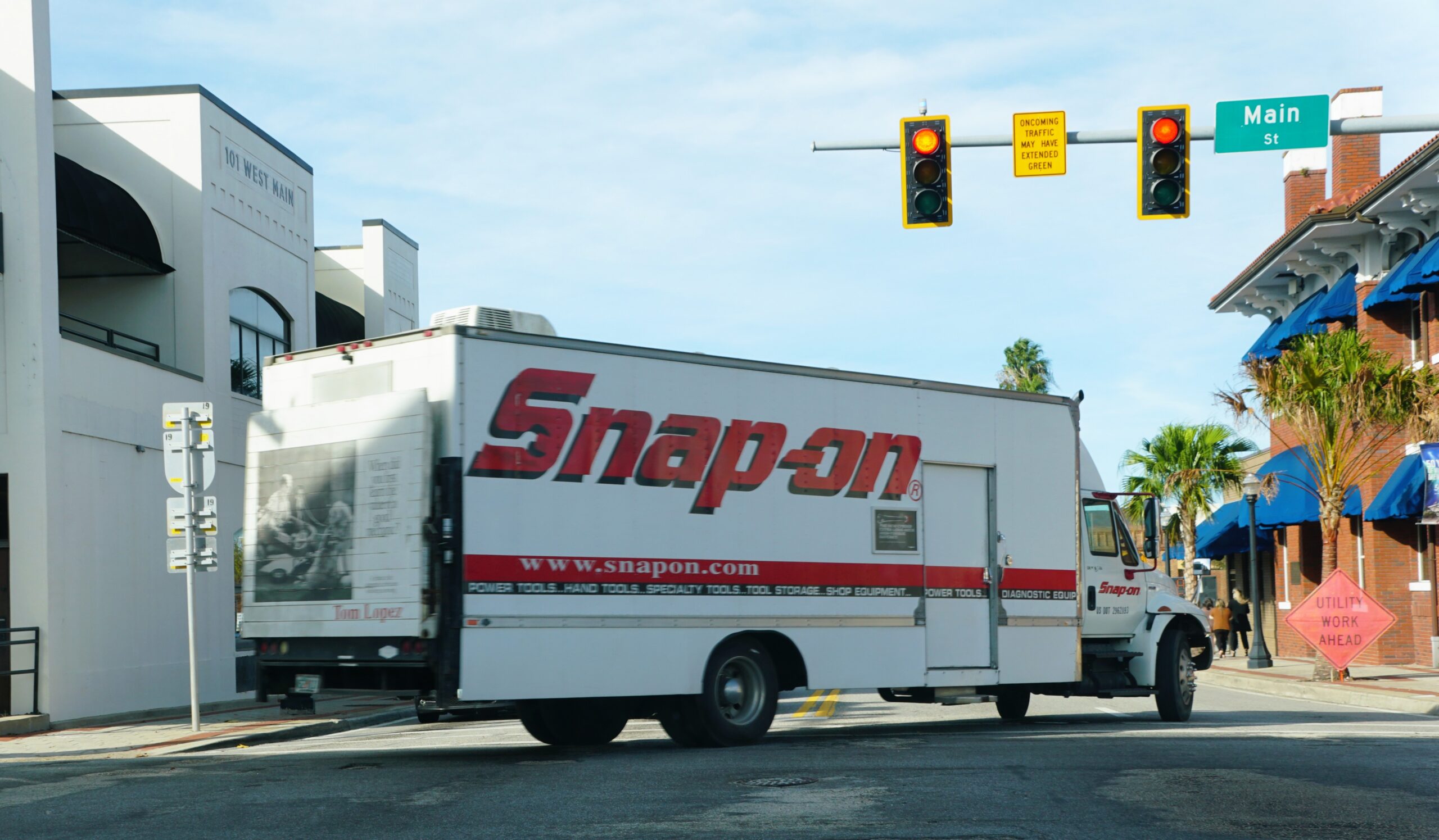
Snap-on Inc. reported first-quarter 2026 net sales of $1.21 billion, up 5.8% from a year ago, as strong demand from industrial and aerospace customers offset what company executives described as mounting uncertainty among vehicle repair technicians in the United States.
The Kenosha, Wis.-based tool and equipment manufacturer said earnings per diluted share rose to $4.69 in the quarter ending April 4, compared with $4.51 in the same period a year ago. Sales growth after stripping out acquisitions and currency effects came in at 3.4%.
“Our first quarter was encouraging, led by robust sales growth with customers in critical industries and improved activity in the U.S. Tools Group, both demonstrating our considerable momentum despite the ongoing and ever-evolving turbulence,” said Nick Pinchuk, Snap-on chairman and chief executive officer.
Pinchuk pointed to a range of pressures facing the company, including international supply chain disruptions and global conflicts, but highlighted what he called “broad uncertainty among our technician customer base in the U.S.” That caution, he said, has pushed technicians toward lower-cost, faster-payback tool purchases. A behavioral shift Snap-on said it has deliberately tried to match its product mix.
The company’s three business segments showed sharply different results. Its Commercial & Industrial Group, which sells to customers in aerospace, the military, natural resources and manufacturing, posted sales of $381 million in the quarter, up 11% from Q1 2025. Organic growth in that segment ran at 7.1%, driven by what Snap-on described as stronger activity with industrial customers and in its specialty torque business. Profits in the segment, however, were squeezed by currency headwinds, with the segment’s profit margin slipping to 14.4% from 15.5% a year earlier.
The Snap-on Tools Group — the company’s franchise van channel, which sells directly to vehicle technicians — reported sales of $486 million, up 5% year over year. Profit margins in the segment improved to 21.6% from 20% a year ago, a sign that the franchise network is operating more efficiently even as some technicians limit their spending.
The Repair Systems & Information Group, which sells diagnostic equipment and repair data products to independent shop owners and dealerships, posted sales of $485.3 million, flat on an organic basis. Higher sales to independent shop operators were offset by softer activity at dealerships. Undercar equipment was flat.
For distributors supplying the automotive aftermarket — whether selling tools, shop supplies or safety products — the divergence between the franchise channel and the repair information segment is worth noting. Independent shop owners are sustaining investment in diagnostic equipment even as technician-level spending softens. The operators running shops, in other words, are proving more resilient than the technicians working in them.
Snap-on’s overall profit margin on sales was 50.4% in the quarter, compared with 50.7% a year ago. The company ended the quarter with $1.75 billion in cash, up from $1.62 billion at the start of the year.
Pinchuk said Snap-on plans to continue investing in its products, brands, and people even as headwinds persist, and reiterated the company’s focus on expanding beyond automotive repair into what it calls “critical industries” markets where the cost of equipment failure is high and specialized tools command premium prices.
For distributors in industrial supply, MRO and safety, Snap-on’s critical industry results serve as a useful demand signal. When a company with direct access to aerospace and manufacturing end users reports accelerating sales in those channels, it reflects real activity levels in the same customer base many distributors serve. Whether that momentum holds against ongoing tariff pressures and softening consumer confidence will be a defining question for the second half of 2026.
Do not miss any content from Distribution Strategy Group. Join our list.
Share this article:
