


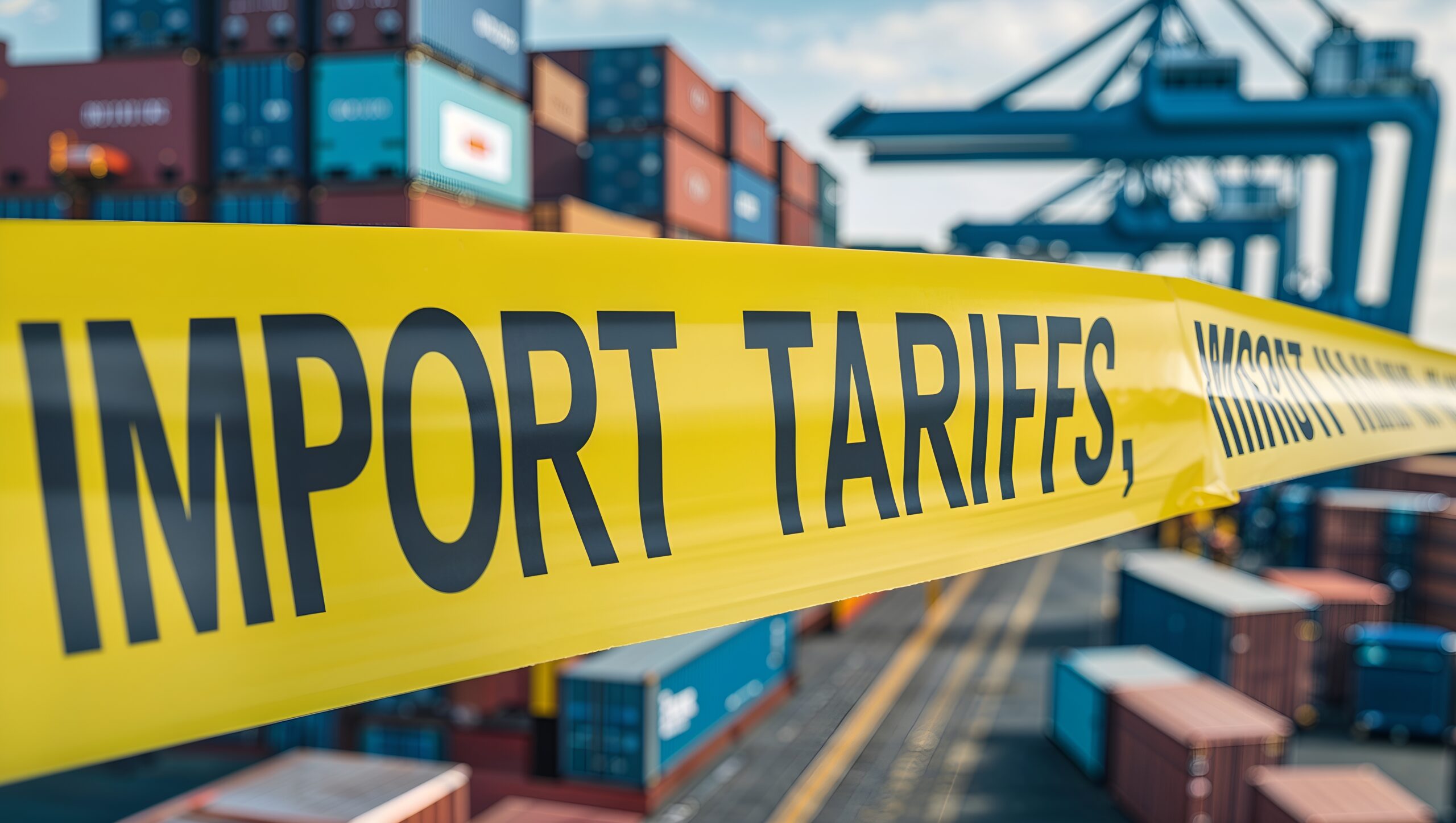
Why This Matters to Distributors: The Trump administration’s restructuring of Section 232 metals tariffs is not simply a rate increase — it is a complete change in how duties are calculated on steel, aluminum, and copper products.
President Trump is issuing a proclamation overhauling how Section 232 tariffs on steel, aluminum and copper are calculated, with new rules taking effect April 6.
The proclamation mandates that Section 232 duties now apply to the full customs value of covered products and their derivatives, rather than just the value of the actual metal content. The change is structural. For wholesale distributors, it transforms a tariff calculation that had been anchored in material cost into one anchored in total product value — a shift that dramatically expands duty exposure across thousands of SKUs.
Under the new framework, a 50% tariff applies to the full value of articles made entirely or almost entirely of steel, aluminum, or copper. A 25% tariff applies to the full value of derivative articles made of those metals.
Certain metal-intensive industrial and electrical grid equipment will be subject to a transitional 15% tariff through 2027. A lower rate of 10% applies to products made abroad but entirely with U.S.-origin steel, aluminum, and copper. Products containing 15% or less metal by weight are excluded from Section 232 coverage entirely.
The math behind the change illustrates the scale of the exposure for distributors. Under the prior rules, a diesel engine made with $2,000 worth of steel paid tariffs only on that $2,000 in metal content. Under the new rules, that same engine is subject to 25% of its full entered customs value.
If the engine is worth $15,000, the tariff exposure jumps from $500 to $3,750. Multiplied across a distributor’s full product catalog, the cumulative landed-cost increase becomes a significant margin and pricing problem.
The breadth and immediacy of April 2026 Section 232 changes present significant operational and compliance risks for importers, according to an analysis published by BDO’s Customs and International Trade Services practice. Duty exposure may increase substantially — particularly for derivative articles with low metal content but high overall customs value now subject to full-value tariffs.
BDO said importers will need to reassess Harmonized Tariff Schedule classification, Chapter 99 reporting, and valuation methodologies to qualify for reduced rates. Enhanced documentation to substantiate metal origin, including smelting, casting, melting, and pouring processes, will also be required. Products previously excluded from Section 232 coverage may now be fully dutiable, while others have been removed from scope entirely — necessitating a detailed, line-by-line and entry-by-entry product review.
BDO also flagged a significant reduction in tariff mitigation strategies. Goods admitted into U.S. foreign trade zones on or after April 6 must enter under privileged foreign status, reducing flexibility for tariff planning.
Manufacturing drawback is significantly curtailed and available only for a narrow set of products meeting stringent criteria. BDO said importers should promptly identify all impacted products across the proclamation’s annexes, model increased duty liability under a full-value tariff framework, coordinate closely with customs brokers on updated Chapter 99 reporting and evaluate sourcing, pricing, and contractual strategies in anticipation of elevated tariff rates through at least 2027 and potentially beyond.
The product scope of the proclamation extends well beyond steel mills and raw metal suppliers. The 50% Annex I-A rate covers primary metals and closely related derivatives including structural steel, pipe fittings, and fasteners.
The 25% Annex I-B rate covers downstream products including machinery and insulated electrical conductors. According to an analysis by PwC, the Section 232 tariffs now capture products spanning the full Harmonized Tariff Schedule — including industrial equipment such as forklift trucks and bulldozers, vehicle-related parts and components, and lighting fittings and furniture.
That reach places distributors across MRO, electrical, HVAC, safety, plumbing, and construction supply channels directly in scope.
One structural element of the proclamation closes off a sourcing strategy many distributors deployed during earlier rounds of Section 232 exposure. Unlike the prior regime, which provided country-specific exemptions and quota arrangements for certain trading partners, the new framework applies to all countries of origin, with narrow carve-outs only for the United Kingdom at reduced rates and Russia at elevated rates. Canada and Mexico, which had previously held exemption status under earlier iterations of the tariff framework, receive no preferential treatment under the April 6 rules.
The proclamation also terminates the prior formal inclusion process for adding derivative articles to Section 232 coverage. Instead, it authorizes the secretary of commerce and the U.S. Trade Representative to add new derivative aluminum, steel, or copper articles to the tariff scope on a rolling basis, whenever those officials determine that the imports threaten to impair U.S. national security or undermine the objectives of existing Section 232 measures.
That open-ended authority, noted in an analysis by the law firm Troutman Pepper Locke, means the tariff’s product scope could widen at any time without a formal rulemaking cycle — creating ongoing classification risk for distributors managing import-heavy product lines.
The administration is also conducting Section 232 investigations into robotics, industrial equipment, and medical devices. How those investigations resolve will determine whether the April 6 overhaul represents the ceiling of metals-related tariff exposure in 2026 or the opening round of a broader restructuring of how the U.S. taxes imported finished goods.
Do not miss any content from Distribution Strategy Group. Join our list.
Share this article:
