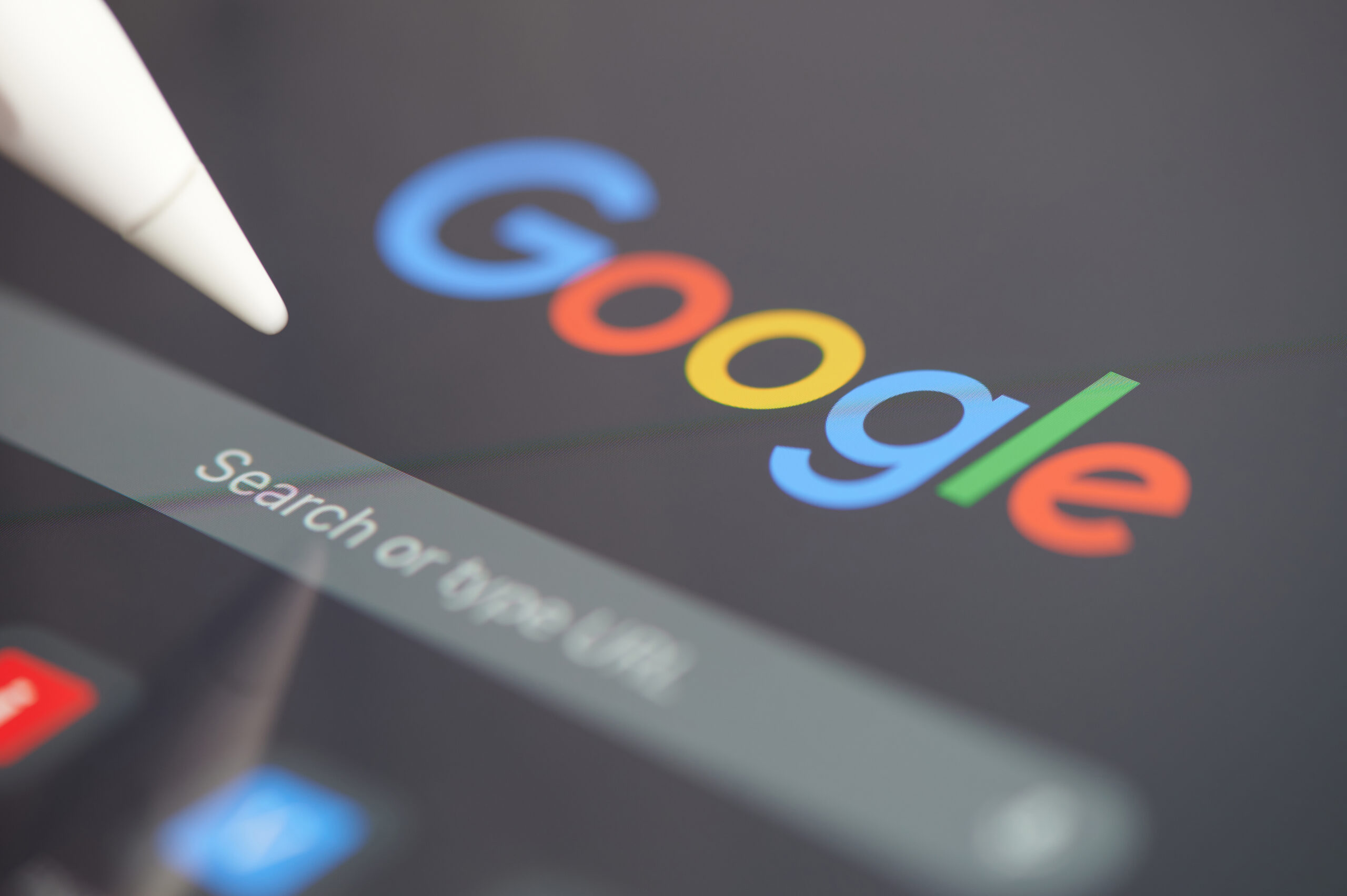
Google says 2026 will redefine how buyers discover products, compare suppliers and complete purchases online — changes that could significantly alter how wholesale distributors are surfaced and selected in digital channels.
In her annual letter, Vidhya Srinivasan, vice president and general manager of Ads & Commerce at Google, outlined how the company is redesigning ads, search and shopping around AI-powered experiences that are “fluid, assistive and personal.” The effort spans new ad formats in AI-driven search results, deeper ties between brands and creators on YouTube, and expanded infrastructure for what Google calls “agentic commerce,” where AI agents can act on a buyer’s behalf to complete transactions.
For distributors, the implications go well beyond digital marketing. The changes affect how product information is interpreted by AI systems, how buying options are presented to customers, and how transactions may increasingly occur inside AI interfaces rather than on distributor websites.
Search Evolves into a Comparison and Buying Tool
Google said Search is moving rapidly from keyword queries to conversational prompts, image inputs, and AI-guided exploration. In AI Mode, search results now blend organic recommendations with sponsored placements that show where products can be purchased.
Instead of returning a list of links, AI Mode presents side-by-side comparisons of brands, retailers and buying options within the response. Google is testing ad formats that allow sellers to appear inside those comparisons, clearly marked as sponsored, now a shopper is evaluating options.
Google cited internal user research from late 2025 indicating that shoppers found AI Mode more helpful when they could easily compare brands and stores in one place.
For distributors, this suggests buyers may no longer begin their purchasing journey at a distributor’s homepage or ecommerce site. Visibility will increasingly depend on how well inventory, pricing and availability data can be understood and surfaced by Google’s AI systems.
Google also introduced “Direct Offers,” which allow sellers to present tailored offers to a buyer at the point of decision, including loyalty benefits, bundles, and other value-added incentives beyond price discounts.
Laying The Groundwork for Agent-Mediated Transactions
Google connected these changes in ads and search to broader work on the infrastructure of “agentic commerce,” where AI agents can shop and transact on behalf of users.
In 2025, Google launched the Agent Payments Protocol (AP2). More recently, it expanded that work with the Universal Commerce Protocol (UCP), designed to standardize how businesses connect with AI agents across the shopping journey, including digital identity and secure payments.
Google said UCP now enables U.S. shoppers to purchase items from Etsy and Wayfair directly within AI Mode in Search and within Gemini, without navigating to those retailers’ websites.
For distributors, this signals a future where orders may be initiated and completed by AI systems rather than by buyers manually browsing ecommerce sites. Product data, pricing logic, and account terms will need to be accessible in standardized, machine-readable ways for AI agents to interpret and execute transactions.
YouTube Creators as Commercial Influencers
Google also said it plans to use AI to more precisely match brands with relevant creator communities on YouTube, turning what it described as “organic influence into real business impact.”
Citing Nielsen’s Gauge report, Google said YouTube has been the most-watched streaming platform in the United States for three years. The company plans to strengthen connections between advertisers and creators by using AI to identify which audiences are most likely to convert into buyers.
For distributors that serve contractors, tradespeople and industrial buyers — many of whom rely on YouTube for product education and training — this could create new opportunities to influence purchasing decisions earlier in the buying cycle.
Gemini Underpins Creative, Performance and Measurement
Much of Google’s overhaul is powered by its Gemini models, including Gemini 3, which now underpins creative tools, campaign performance, and measurement across Google Ads.
Google said advertisers generated 70 million creative assets using Gemini-powered tools in the fourth quarter of 2025. It also introduced AI Max to extend the reach of search campaigns into queries advertisers previously did not capture.
Google said it is rebuilding its measurement stack to provide clearer performance insights amid fragmented data and conflicting industry approaches.
What Does This Mean for Wholesale Distributors?
Across Srinivasan’s letter, a consistent theme emerges: the path from discovery to purchase is collapsing into AI-assisted experiences where comparisons, offers and buying options appear directly inside search results and AI conversations.
For wholesale distributors, that shifts the focus from website optimization to data and systems readiness.
To remain visible and competitive in this environment, distributors will need:
- Structured, AI-readable product, inventory, and pricing data.
- Programmatic access to availability, terms, and value-added offers.
- Systems capable of integrating with emerging protocols such as UCP.
- The ability to present services, bundles and benefits in ways AI systems can interpret.
As AI agents increasingly act on behalf of buyers, distributors that make it easier for those agents to understand and transact with their systems may gain a competitive advantage. Those that rely on manual processes, opaque pricing or closed portals risk becoming harder for AI-driven discovery tools to surface.
Google described 2026 as an “expansionary moment” for digital commerce. For distributors, it may be the year when digital infrastructure — not just digital marketing — determines who appears when the next generation of buyers asks an AI where to purchase.
Do not miss any content from Distribution Strategy Group. Join our list.
Share this article:
