
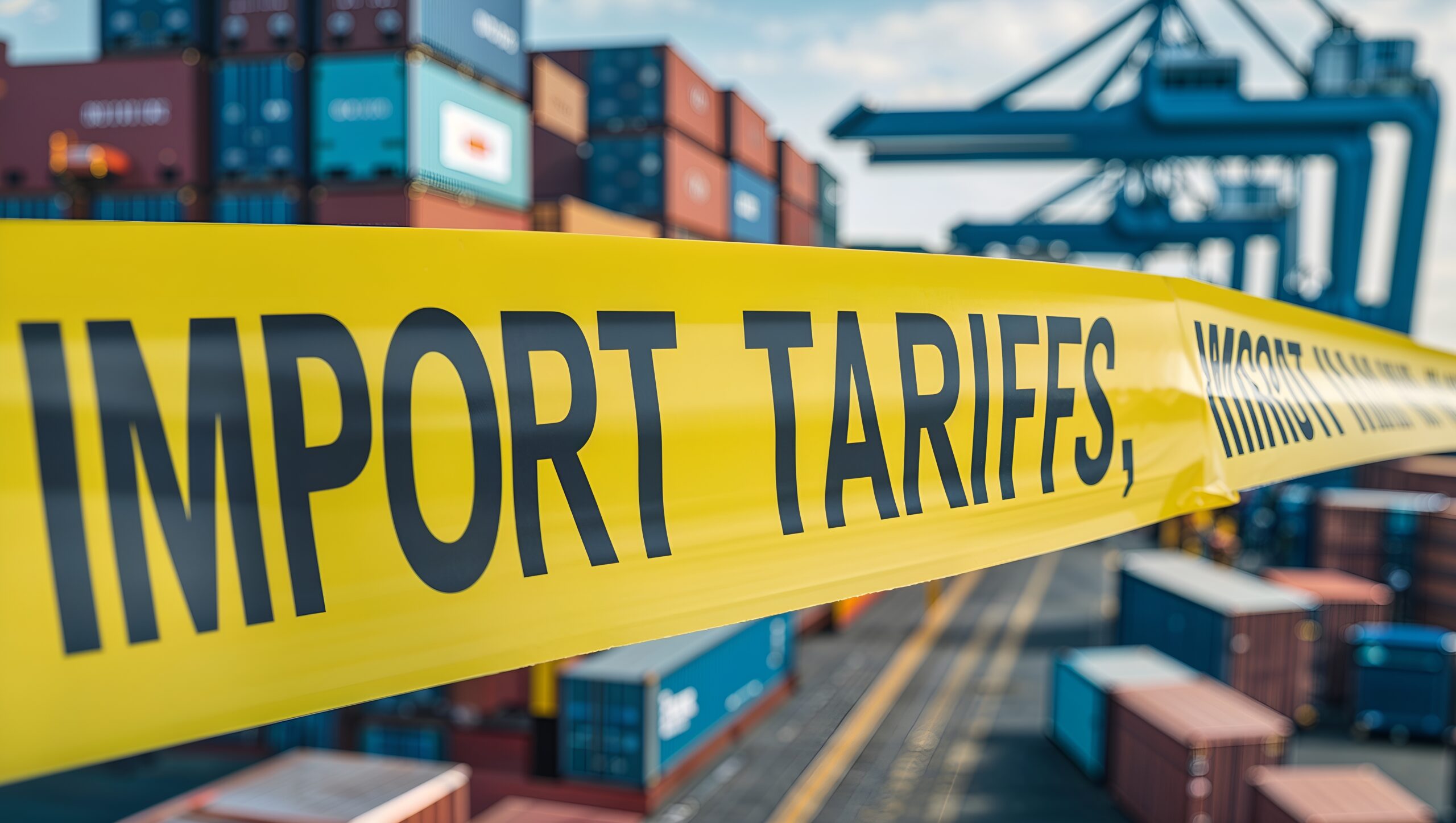
A series of trade developments in early 2026 is reinforcing tariffs as a central operating concern for U.S. wholesale distributors, shifting the conversation from short-term uncertainty to long-term structural complexity.
The most notable development this month involves movement toward a partial tariff reduction between the United States and India. U.S. and Indian officials announced progress on an interim trade framework that would lower certain duties on Indian exports to the United States, easing rates that had been elevated during earlier rounds of trade friction. While final product coverage and implementation timelines remain subject to negotiation, the signal is meaningful for distributors that source machinery components, industrial inputs, textiles and agricultural goods from India.
For some importers, even modest duty reductions could relieve pressure on landed costs that have remained elevated for several years. But executives caution that one adjustment does not fundamentally stabilize the broader trade environment.
That reality was underscored in late January, when financial markets reacted after President Donald Trump publicly floated the possibility of new tariffs on select European imports amid a diplomatic dispute involving Greenland. The proposal was later withdrawn, but the episode illustrated how quickly trade policy rhetoric alone can affect procurement strategies and purchasing behavior.
For distributors importing specialty metals, tools, electrical components and building materials from Europe, the brief escalation reinforced an uncomfortable truth: policy announcements — even without formal action — can alter buying decisions, inventory positioning and contract negotiations almost immediately.
Meanwhile, distributors in food and beverage, industrial supply and building products continue to report elevated landed costs tied to existing tariff regimes. Many have passed portions of those increases through to customers. But competitive dynamics limit full recovery, particularly in price-sensitive categories, contributing to continued margin pressure.
Industry economist Alex Chausovsky, president of 3DM Consulting, said the nature of the challenge has evolved.
“Last year was dominated by uncertainty, with major questions around tax policy and how the administration’s protectionist trade agenda would play out,” Chausovsky said. “The key challenge in 2026 will be complexity, underscored by ongoing geopolitical strife and a fluid tariff environment that will likely bring a major shift from IEEPA, which is country-focused, to Section 232, which is product-focused duties.”
The distinction carries operational consequences. Country-specific tariffs can sometimes be mitigated through geographic sourcing shifts. Product-specific duties, particularly under Section 232 authority, are more difficult to avoid because they apply to defined categories regardless of origin. For distributors handling metals, machinery, electrical products or other strategic inputs, that shift could narrow sourcing flexibility.
Import behavior is also adjusting in anticipation of policy volatility. Some companies have accelerated or delayed shipments based on expected announcements, leading to uneven container volumes at major U.S. ports. That variability affects trucking capacity, warehouse throughput and inventory turnover — creating ripple effects across distribution networks.
For many wholesalers, tariffs are no longer episodic disruptions but structural planning variables.
Pricing strategies have grown more dynamic. Increasingly, distributors are incorporating tariff-adjustment clauses into supply agreements, allowing prices to move if duties rise or fall. While that approach spreads risk among suppliers, distributors and customers, it also adds administrative complexity and lengthens contract negotiations.
Sourcing strategies are becoming more diversified. Distributors are broadening supplier networks to reduce exposure to any single country. Some are exploring near-sourcing within North America; others are shifting procurement to lower-duty regions or renegotiating supplier contracts to secure greater pricing stability.
Inventory management remains one of the most delicate balancing acts. During prior tariff cycles, some companies front-loaded imports ahead of expected increases to avoid immediate cost spikes. That tactic can protect short-term margins but ties up working capital and raises storage costs. In a fluid policy environment, distributors must weigh the risk of sudden cost escalation against the financial burden of carrying excess stock.
Compliance has also taken on heightened importance. Accurate tariff classification, real-time monitoring of regulatory changes and tight coordination among procurement, finance and legal teams are now essential operating disciplines. Misclassification or delays in updating duty schedules can lead to unexpected liabilities that directly affect profitability.
Chausovsky said the strategic response requires flexibility rather than a single, fixed plan.
“Manufacturers, distributors and suppliers are no longer served by having a single strategy that they can focus on implementing well,” he said. “The new reality on the ground calls for a nimble, multifaceted strategic approach, one which includes analysis and coping mechanisms for a variety of scenarios. In other words, decision makers need to know which levers they will pull depending on what happens. Those organizations that do this well will continue to outperform in this chaotic time.”
In early 2026, the trade landscape is defined less by one sweeping policy shift than by incremental adjustments, negotiations and recurring geopolitical tension. For wholesale distributors, tariffs have moved from being occasional headwinds to persistent structural forces shaping procurement, pricing and supply chain design.
Agility — in sourcing, pricing, compliance and contract management — is no longer a competitive differentiator. It has become a baseline requirement in an increasingly complex global trade environment.

More from Distribution Strategy Group
- MSC Industrial Profit Falls 21% on Slower Sales, Tighter Margins
- U.S. Manufacturing Contracts for Fourth Straight Month as Orders and Jobs Decline
- GMS Tells Employees It’s “Business as Usual” After $5.5 Billion Acquisition Deal with SRS
- Graybar Appoints a Key Executive to Lead AI and Digital Transformation Efforts
- TD SYNNEX Acquires Apptium to Expand Cloud Commerce and Services Portfolio
- MSC Industrial Tops Q3 Forecasts as Digital and Service Upgrades Pay Off