



AI in Distribution
-
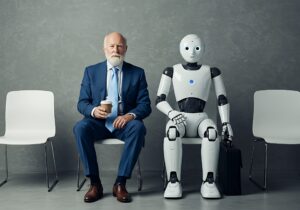
The AI Revolution Isn’t What You Think: 4 Truths from the 2030 Playbook
The frontier of AI is moving beyond systems that simply analyze and recommend.
-

Why Distributors Are Betting Big on Chief AI Officers
A chief AI officer signals that artificial intelligence is central to the company’s future.
-

AI Agents Are Reshaping B2B Buying, Forcing Distributors to Rethink Digital Strategy
In the agentic model, algorithms — not purchasing managers — determine which suppliers appear at what price and under what terms.
-

AI Agents in Distribution: Why the Window for Competitive Advantage Is Closing Fast
The conversation around artificial intelligence in wholesale distribution has shifted from “if” to “when”—and according to industry experts, that window is narrowing rapidly. In a recent panel discussion hosted by Distribution Strategy Group, three voices from the front lines of AI implementation delivered a clear message: distribution companies that haven’t started their AI journey are…
-

AI as Augmentation, Not Replacement: A Winning Strategy for Distribution
Leaders must decide how quickly to move and invest in AI.
-
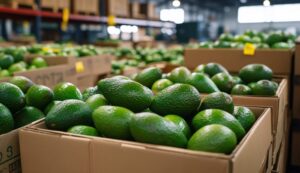
GrubMarket Launches AI Reporting Agent to Streamline Food Distribution Operations
GrubMarket said the agent draws on its proprietary food supply chain industry knowledge graph and can orchestrate workflows across APIs and browser functions.
-
WayPoint Analytics Introduces Prophet AI Expert System
The release is the first in a four-phase rollout of AI features planned by WayPoint.
-
AI Is Critical, But Tech Execs Worry About Security and Personnel
Tech execs are also aware that AI can be used by bad actors, and 49.2% listed AI-driven cyberattacks as among their top concerns.
-
‘We Use ChatGPT’ Isn’t an AI Strategy
Gains in productivity and profitability come from embedding AI deeper into your processes.
-
Massimo Group Deploys Claude AI Across Oracle NetSuite Systems
The company expects the AI deployment to accelerate product development cycles and improve supply chain coordination.