
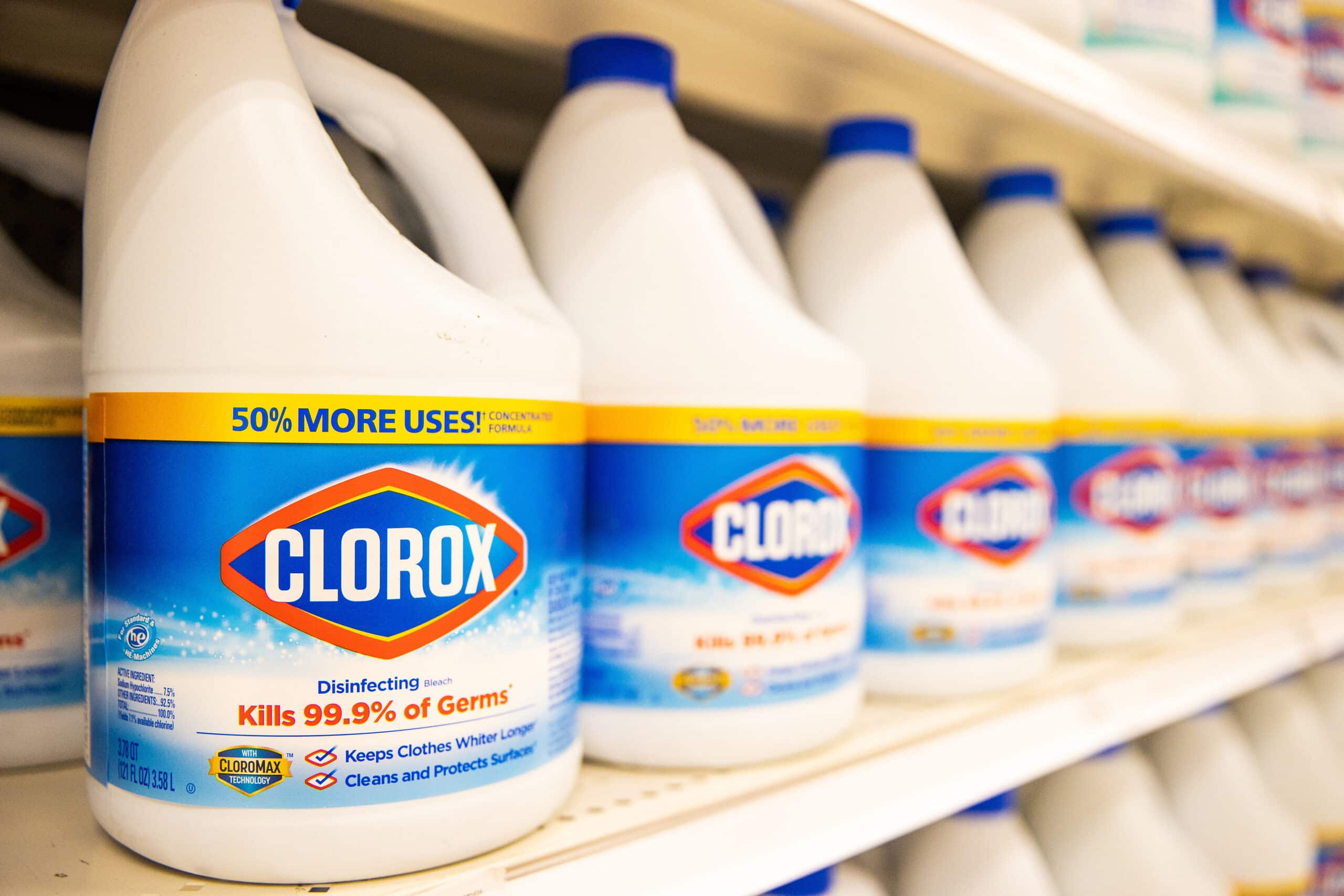
The Clorox Co. will acquire GOJO Industries, the maker of Purell hand sanitizer and a long-time leader in professional skin hygiene, for $2.25 billion in cash in a deal that tightly links a global consumer cleaning brand with one of the deepest B2B hygiene distribution networks in North America.
The transaction includes approximately $330 million in anticipated tax benefits, implying a net purchase price of $1.92 billion. Clorox said the deal is expected to close before the end of its fiscal 2026, subject to regulatory approval and customary conditions.
GOJO, founded in 1946 and based in Ohio, generates $800 million in annual sales and has delivered a three-year compound annual growth rate of 5%, according to Clorox. More than 80% of GOJO’s revenue flows through B2B distributors serving healthcare facilities, schools, offices, manufacturing plants, and other institutional settings. The Purell brand holds the No. 1 share position in hand sanitizer across both B2B and retail channels.
Linda Rendle, chair and chief executive of Clorox, said GOJO’s “large installed base and deep relationships in the fast-growing B2B channel has driven decades of consistent performance,” calling the acquisition a way to expand Clorox’s Health and Wellness segment while advancing its IGNITE growth strategy.
Carey Jaros, president and chief executive of GOJO, said Clorox’s consumer brand expertise and retail relationships will help accelerate Purell’s growth in consumer channels while preserving GOJO’s strength in institutional markets.
Clorox said the deal is expected to generate at least $50 million in run-rate cost synergies. The acquisition is expected to be neutral to adjusted earnings per share in the first year and accretive in the second year.
A dispenser-driven B2B model at scale
Central to the deal is GOJO’s installed base of 20 million soap and sanitizer dispensers placed in facilities across healthcare, education, commercial offices, industrial sites, and public spaces. That installed base creates recurring replenishment demand that flows primarily through janitorial, sanitation, healthcare, and industrial supply distributors.
For decades, that dispenser-based model has made hand hygiene one of the most predictable and margin-consistent categories for distributors. Once installed, dispensers tend to lock in long-term product demand and are difficult for competitors to displace.
Clorox said GOJO’s commercial, manufacturing, R&D and regulatory capabilities will be combined with Clorox’s scale and distribution strengths to create what it called a “best-in-class B2B platform.”
What the deal means for wholesale distributors
For wholesale distributors in janitorial and sanitation, healthcare, food service, facilities maintenance and industrial supply, the acquisition signals that a core B2B category is now backed by the scale, brand power, and supply chain discipline of a major consumer products manufacturer.
Several implications stand out:
Stronger brands pull in institutional channels. Clorox’s marketing scale may increase end-user preference for Purell and related hygiene products, reinforcing demand signals that move through distribution.
Cross-category selling opportunities. Clorox already supplies disinfecting wipes, sprays and surface cleaners through JanSan and facility supply distributors. Combining those lines with GOJO’s skin hygiene portfolio creates opportunities for distributors to sell bundled hygiene programs to institutional customers.
More structured category management. Distributors may see tighter pricing structures, promotional programs and portfolio strategies as Clorox applies its margin and category management practices to GOJO’s product lines.
Further investment in dispenser ecosystems. The large installed base functions as long-term annuity. Additional investment in dispenser technology, monitoring or replenishment systems could further embed distributors into customers’ hygiene workflows.
Closer alignment of retail and professional supply chains. Because Purell operates in both retail and B2B markets, distributors may see more coordinated SKUs, packaging formats, and logistics across channels.
The acquisition also reflects a broader shift as consumer-packaged goods companies seek growth in professional and institutional markets, drawn by recurring revenue streams and program-based sales models that rely heavily on distribution partners.
Do not miss any content from Distribution Strategy Group. Join our list.
Share this article:

Leave a Reply