


Why This Matters to Wholesalers: The Ace lawsuit could increase scrutiny of how distributors, buying groups and cooperatives use shared pricing data, enterprise resource planning (ERP) systems, and AI analytics, especially if regulators view some data-sharing practices as anti-competitive coordination rather than operational collaboration.
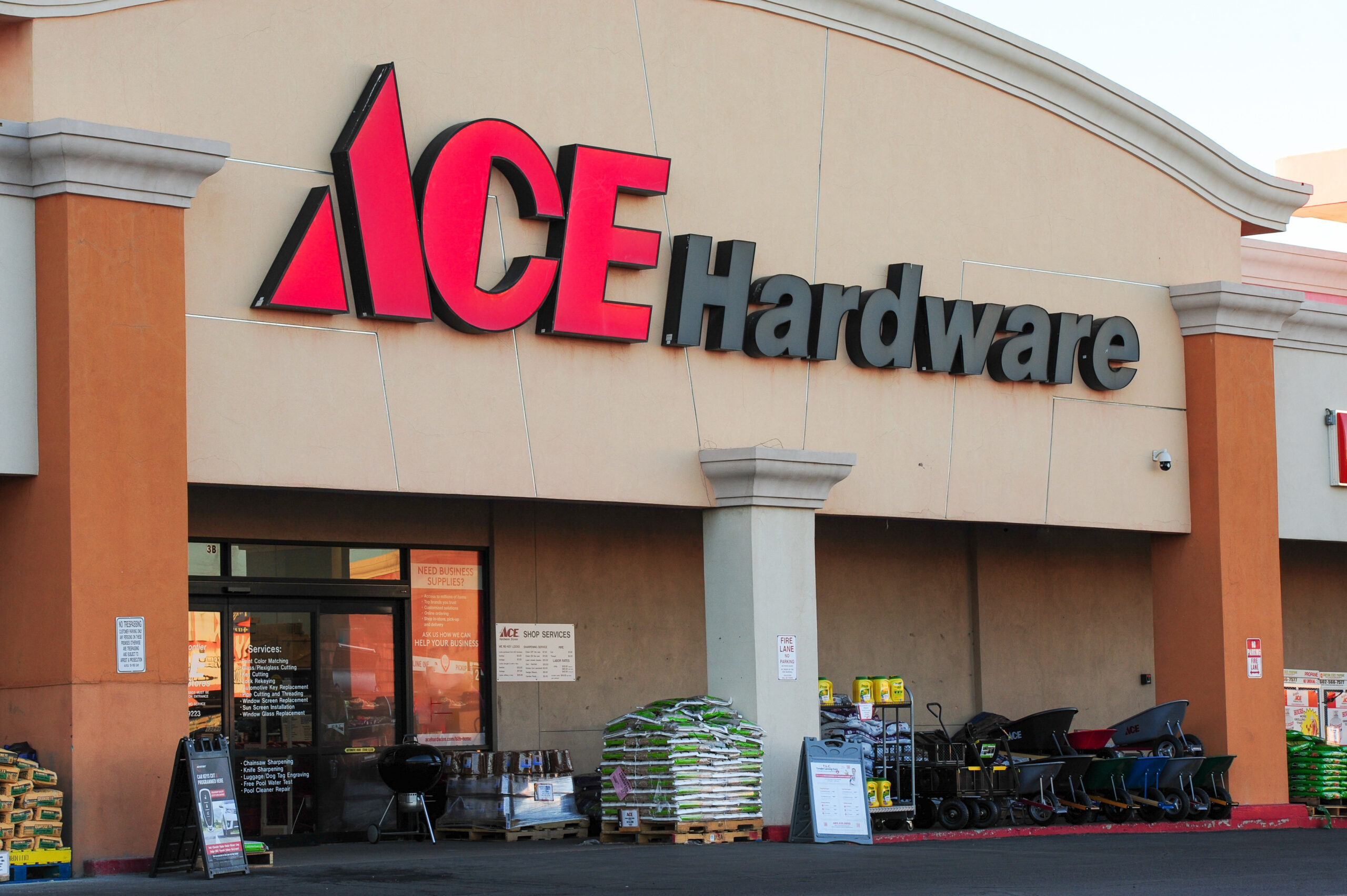
Ace Hardware is facing a proposed federal antitrust class-action lawsuit that challenges how the retailer cooperative shares pricing and sales data across its network of independently owned stores, even as the company reported record first-quarter sales and profit growth.
The lawsuit, filed May 7 in the U.S. District Court for the Northern District of Illinois, accuses Ace and affiliated retailers of illegally coordinating retail prices and limiting local competition through shared pricing and point-of-sale systems.
According to the complaint, Ace used its software and analytics platforms to exchange pricing, transaction, and sales information among thousands of stores nationwide. Plaintiffs allege the cooperative structure allowed stores that consumers believed were independent competitors to align prices and reduce competition in local markets.
The suit seeks class-action status on behalf of consumers who purchased products from Ace stores since 2022 and requests damages and injunctive relief.
Ace has not publicly responded to the allegations as of late last week.
The case comes as Ace reports strong operating momentum across both its wholesale and retail businesses.
Ace said in the first-quarter of 2026 revenue increased 10.9% year over year to $2.47 billion from $2.23 billion in the prior-year quarter. Net income rose to $70.1 million from $30.3 million a year earlier. Wholesale revenue increased 11.3% to $2.28 billion, while retail revenue rose 6.1% to $185.8 million.
The company said approximately 4,000 Ace retailers that share daily retail sales data reported a 4.9% increase in U.S. same-store sales during the quarter. The gain was driven by a 4.2% increase in average ticket prices and a 0.7% increase in transactions.
“Our record first quarter results reflect a simple truth: when we serve our neighbors with excellence and urgency, growth follows,” CEO John Venhuizen said in the company’s earnings release. “Revenue up 10.9%, digital up 30%, and hardware format same-store sales up 6.1% with transactions rising 0.7%.”
Ace added 35 domestic stores and closed 19 during the quarter, bringing its U.S. store count to 5,266 locations, up 89 stores from a year earlier.
The lawsuit could attract broader regulatory attention toward how retail cooperatives, dealer groups and wholesale buying organizations use shared pricing systems, AI-driven analytics, and common ERP platforms.
Do not miss any content from Distribution Strategy Group. Join our list.
Share this article:
