


Why This Matters to Distributors: Lindsay’s results underscore the uneven demand environment facing distributors that serve agriculture and infrastructure markets. Irrigation equipment demand remains under pressure as farmers delay capital purchases, while road safety and transportation infrastructure continue to provide steadier growth opportunities. The growing backlog also points to sustained demand for large infrastructure and international irrigation projects.
Lindsay Corp. said transportation infrastructure remains a bright spot for its business as demand for road safety products continued to grow during the third quarter, helping offset a slowdown in agricultural irrigation equipment sales driven by cautious farmer spending in North America and Brazil.
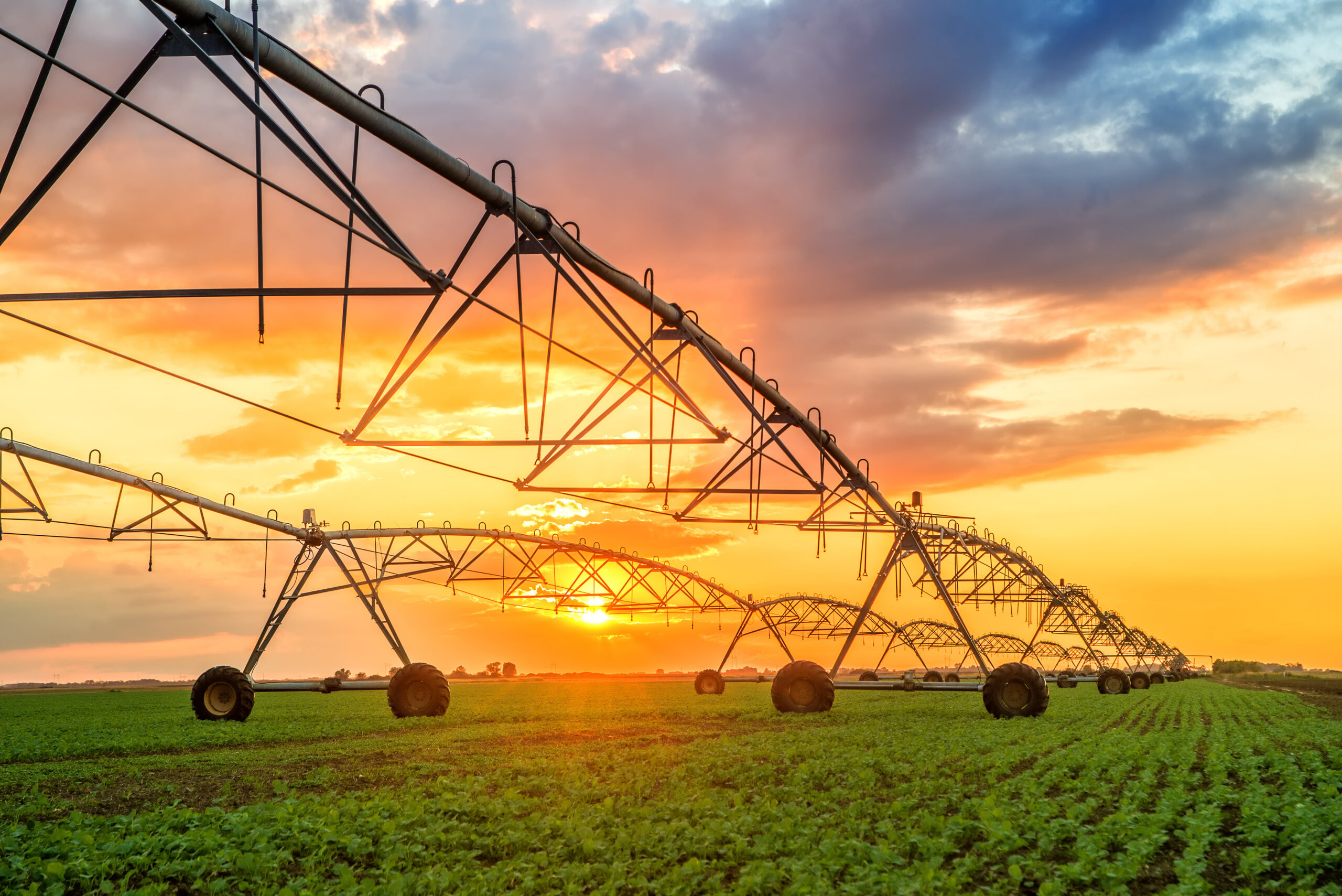
For distributors serving agricultural, water infrastructure and municipal markets, the results reinforce a trend that has emerged over the past year: infrastructure spending continues to support demand, while higher production costs, weaker commodity economics, and limited access to credit have delayed investment in irrigation equipment.
“Deliveries for the large irrigation project in the Middle East North Africa (MENA) region remain on schedule despite continued geopolitical challenges,” said CEO Randy Wood. “In North America, demand for irrigation equipment remains tempered as margin pressure from high input costs continues to impact customer sentiment. In Brazil, demand continued to be impacted by low profitability and limited credit availability.”
The company’s infrastructure business continued to outperform its irrigation segment. Revenue from infrastructure products increased 8.0% to $27.7 million from $25.7 million in the prior quarter, driven by another quarter of growth in road safety products.
By comparison, irrigation revenue declined 7.5% to $133.0 million from $143.7 million. North American irrigation sales fell 11.1%, while international irrigation revenue declined 4.0%, primarily because of lower sales volumes in Brazil.
Wood said road construction activity continues to support the infrastructure business.
“As we enter road construction season in the northern hemisphere, our road safety products business delivered another consecutive quarter of growth,” he said.
One encouraging indicator for distributors is Lindsay’s order backlog, which increased 16.2% year over year to $136.1 million from $117.1 million. The increase was driven by the company’s large irrigation project in the Middle East and North Africa, although infrastructure backlog declined from a year earlier.
Management expects approximately $70 million of revenue from the MENA irrigation project to be recognized during fiscal 2026 while continuing to adjust operations to reflect softer demand in agricultural markets.
“In the U.S., irrigation market conditions remain soft as growers await further trade certainty and an improvement in commodity prices,” Wood said. “We expect Brazil to return to growth due to the solid drivers of secular demand that support investments in irrigation, although credit constraints and high interest rates could remain a headwind.”
For distributors, the outlook suggests demand will remain strong in infrastructure-related markets, while agricultural equipment purchases are likely to recover more gradually as crop prices, farm profitability and financing conditions improve.
Lindsay reported third-quarter revenue of $160.8 million, down 5.1% from $169.5 million in the prior quarter. Net earnings declined 18.9% to $15.8 million from $19.5 million.
For the first nine months of fiscal 2026, revenue decreased 9.3% to $474.3 million from $522.8 million during the same period last year. Net earnings fell 29.8% to $44.4 million from $63.2 million.
The quarter illustrates the divergent markets many industrial and agricultural distributors are navigating. Public infrastructure investment continues to generate steady demand for transportation safety products, while uncertainty surrounding commodity prices, farm margins and financing remains a headwind for irrigation equipment and other agricultural capital goods.
Do not miss any content from Distribution Strategy Group. Join our list.
Share this article:
