



News
All the latest reporting and analysis from Distribution Strategy Group.
-

2018 State of E-Commerce in Distribution, part 2: Key Drivers for E-commerce Demand
Distributor priorities for e-commerce investment continued to evolve in 2017. In our latest research, improving customer experience and increasing the frequency of website transactions and usage were noted as the top e-commerce priorities in our survey of 300 distributors and manufacturers.
-

2018 State of E-Commerce in Distribution, part 1: B2B E-Commerce Passes the Tipping Point
This article examines the initial results of the 2018 State of E-Commerce in Distribution Survey and how the industry’s e-commerce offerings are maturing. Subsequent reporting will examine the changes and additional topics in more detail.
-

2017 State of Distributor Marketing, part 2: Distributors Lack Marketing Differentiation
Most distribution companies take a similar approach to touting their position in the supply chain, with 80 to 90 percent of distributors believing their value proposition contains at least one of the following attributes: product selection and availability, speed of delivery and pre-sales or post-sales expertise.
-

2018 State of Distributor Marketing, Part 1: Move to Digital Continues
While distributors are growing their use of digital vehicles, it may not be quickly enough. Many still rely on trade shows, print flyers and branch-based events despite customers’ decreasing preference for these channels.
-

2017 State of Distributor Marketing, part 1: Distributors Increase Search Marketing Efforts
This article examines how distributors across sectors approach marketing, what they consider the most effective channels to be and the frequency with which they conduct their different marketing vehicles.
-
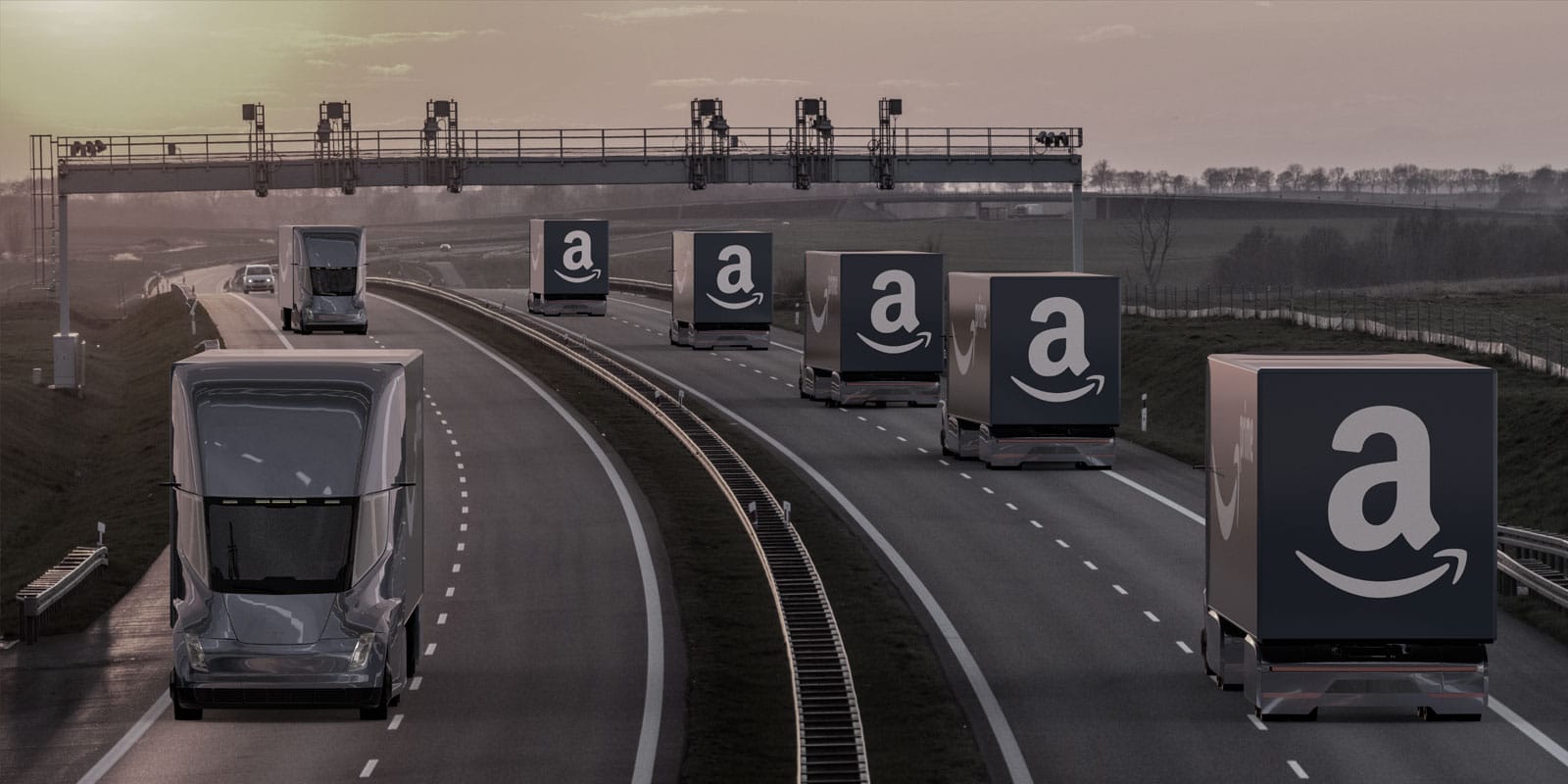
The Amazon Effect
Amazon is a machine. The online retail juggernaut has recently churned out the world’s richest man and, its tendrils of modernization are slowly reaching into every physical industry in the world. In distribution, some know this, some don’t. Real Results Marketing looked to see what distributors think about how Amazon Business is affecting their business.
-

Why Distributors Don’t Do E-Commerce
We have talked to many distributors who are still determining whether to offer an e-commerce store front or not. We hear common themes in the reasons for not pursuing e-commerce.
-

Eat Lunch, Be Lunch, or Die
What if I told you you are losing 5-10% of revenue a year? Furthermore, you might not have even noticed. In this blog post, I’m going to explain why it is alarmingly easy to lose an obscene amount of revenue, without doing anything. Here are the 4 problems your business could be suffering from.
-

2017 State of E-Commerce, part 2: The E-Commerce Journey Continues to Evolve
The shift moving towards e-commerce maturity means the journey evolves as well. As noted in Part 1, the top e-commerce priorities are shifting to transactional priorities. Part 2 will explore what is changing and what that could mean for your business.
-

Inside Sales in 2017: Survey Results
69% of inside sales people are spending less than 10% of their time making proactive outbound calls. They are spending the majority of their time doing after sale support, order entry and pre-sale support.