


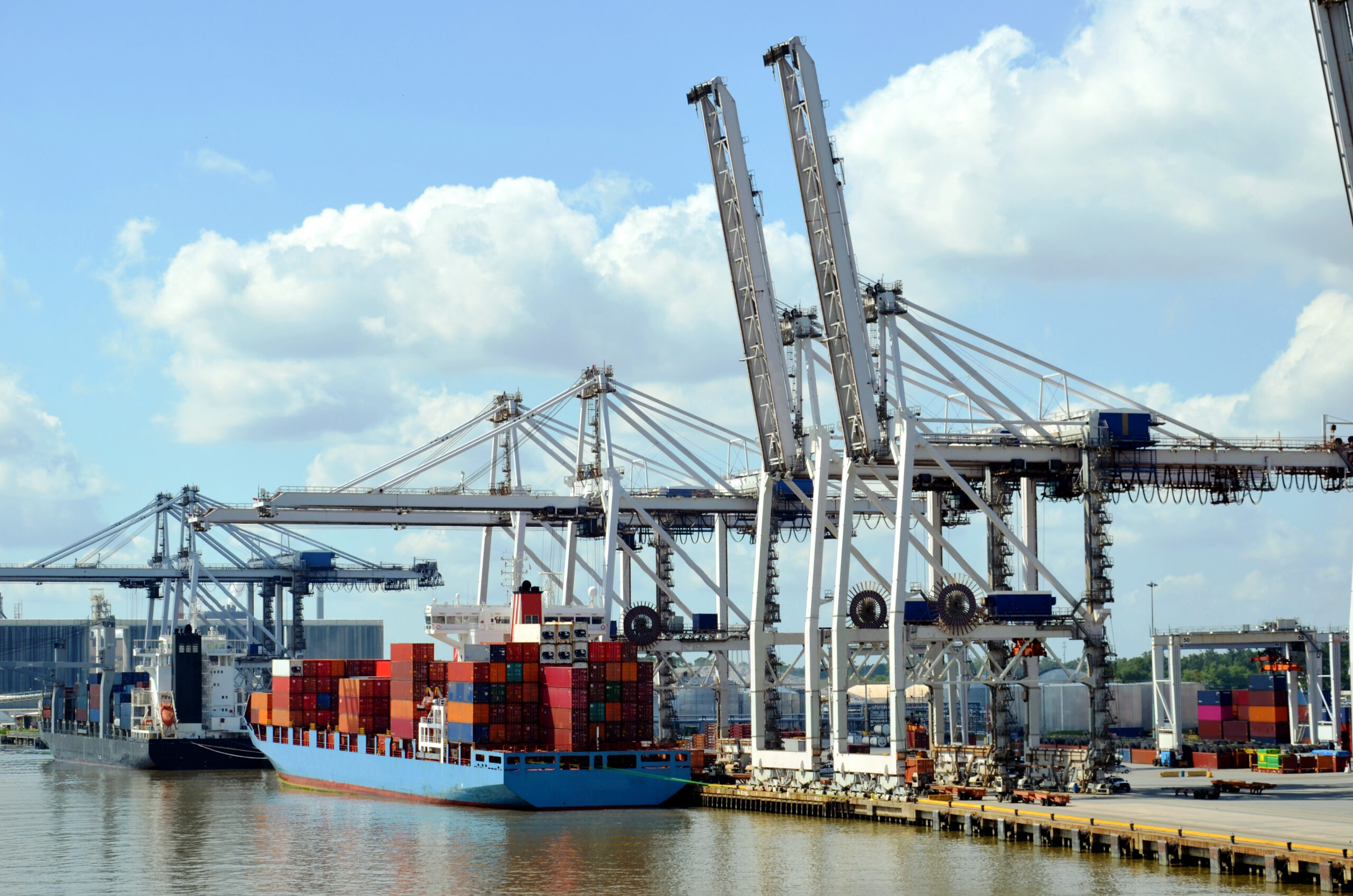
Why This Matters to Distributors: Distributors are repositioning inventory closer to major ports to reduce transit times and transportation costs — and those that fail to adapt to risk slower replenishment cycles and higher landed costs.
Commonwealth Wholesale Corporation has leased more than 56,000 square feet of warehouse space near the Port of Savannah, expanding its logistics footprint in one of the nation’s fastest-growing import gateways.
Terms of the lease were not disclosed.
The facility is located within a port-centric industrial park designed to support high volumes of containerized freight. Buildings in the area typically feature high clear heights, multiple dock doors and direct access to major trucking corridors and intermodal rail connections.
Commonwealth Wholesale is a U.S.-based importer and distributor of consumer goods, sourcing products globally and supplying retailers, wholesalers, and other business customers through its domestic distribution network.
The Savannah area site is expected to function primarily as an inbound distribution and staging facility. The warehouse positions the company to receive ocean containers, break down shipments and move goods quickly into regional distribution channels — compressing the time between port arrival and downstream delivery.
At 56,000 square feet, the facility is mid-sized, suggesting a focus on throughput rather than long-term storage. That configuration is designed to support faster inventory turns by shortening the distance between port arrival and the next point in the supply chain.
The Port of Savannah has emerged as a key gateway for U.S. imports, drawing sustained infrastructure investment and benefiting from strong rail and truck connections into the Southeast and Midwest. That combination has attracted distributors and logistics providers seeking to shorten supply chains and improve delivery speed.
Commonwealth’s expansion reflects a structural shift in how distributors are approaching network design. Rather than relying solely on inland distribution centers, companies are increasingly placing inventory closer to where it enters the country — a strategy that can lower drayage and transportation costs while improving inventory availability and responsiveness to demand changes and supply disruptions.
For wholesale distributors, the move reinforces a broader recalibration already underway across the industry. Proximity to major ports is becoming a measurable factor in cost control and service performance, not simply a logistics preference. Distributors that have yet to evaluate their network positioning against port access may find themselves absorbing costs and delays that closer competitors are beginning to eliminate.
Do not miss any content from Distribution Strategy Group. Join our list.
Share this article:
