

Why This Matters to Distributors: Intelligrated and Transnorm are moving to a private equity ownership model, and distributors relying on those systems should evaluate long-term service, software and investment commitments as the business resets its priorities.
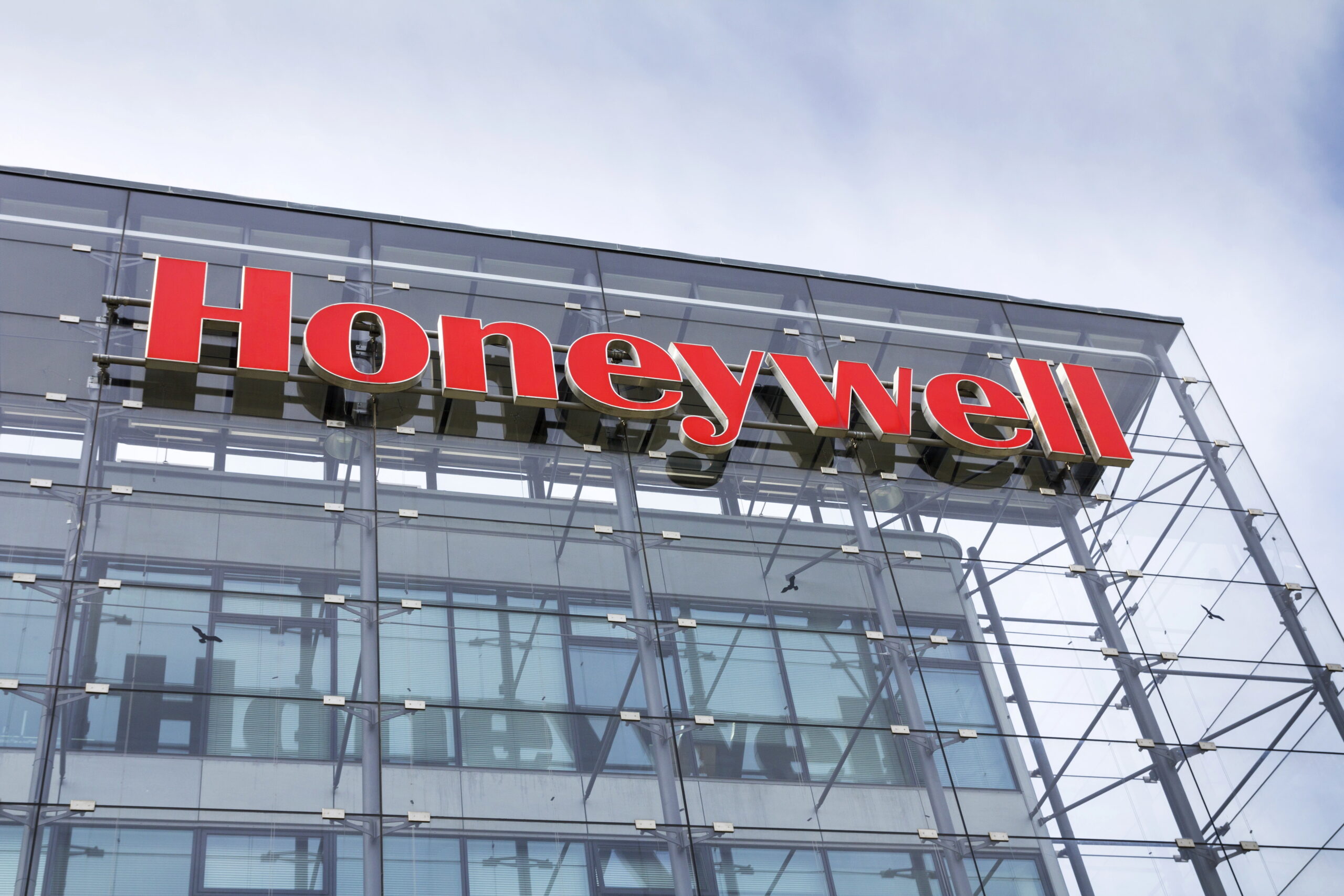
Honeywell International Inc. is selling its Warehouse and Workflow Solutions business to American Industrial Partners in an all-cash transaction, exiting one of North America’s largest warehouse automation platforms and placing the Intelligrated and Transnorm brands under private equity ownership.
The deal is expected to close in the second half of 2026. Terms were not disclosed.
The business generated about $935 million in revenue in 2025 and provides automated sortation systems, conveyors, palletizers, and robotics, along with software and aftermarket services that support distribution center operations. Honeywell built the platform through acquisitions, including Intelligrated in 2016 for $1.5 billion and Transnorm in 2018, expanding its reach across North America and Europe.
American Industrial Partners said it will combine the business with Trew, a warehouse automation and software provider it acquired in 2022, creating what it called a “complementary and differentiated platform” serving customers across multiple industries.
The sale is part of Honeywell’s broader portfolio restructuring. The company is separating its businesses into more focused entities, including a planned spin-off of its aerospace division targeted for June 29, 2026. It also recently agreed to sell its Productivity Solutions and Services business to Brady Corp.
“All of the acquisitions, divestitures, spin-offs and simplification efforts over the last several years have positioned both aerospace and automation for bright futures as independent, leading companies,” CEO Vimal Kapur said.
For distributors, the implications center on how the business operates under new ownership.
Private equity firms typically manage assets on a defined investment horizon — often five to seven years — with an emphasis on revenue growth, margin expansion, and eventual exit. That approach does not preclude investment in products and technology, but it can shift priorities, particularly in software development, service programs, and capital spending.
That shift is significant for distributors running Intelligrated or Transnorm systems, or those planning new automation projects. The long-term performance of warehouse automation platforms depends heavily on aftermarket support, software updates, and integration capabilities. Changes in investment levels in those areas could affect system reliability and competitiveness.
Honeywell’s recent results suggest the business is performing. In the first quarter, Industrial Automation Solutions’ revenue rose 7%, driven by project timing and aftermarket demand in warehouse and workflow solutions. Segment margin increased 260 basis points to 17.0%.
Under American Industrial Partners, the combined platform — Warehouse and Workflow Solutions and Trew — will bring together hardware automation and warehouse execution software. Trew’s proprietary software could strengthen the platform’s capabilities, an area where Intelligrated has relied on third-party partners.
How aggressively the firm pursues that integration — and whether it positions the business as a full-stack competitor to providers such as Dematic, Bastian Solutions and Vanderlande, or focuses on projects and services — will shape its role in the next phase of automation investment.
That investment cycle remains strong. Since 2020, spending on warehouse automation has accelerated, driven by e-commerce growth, labor constraints and rising service expectations set by companies such as Amazon. For many wholesale distributors, automation has shifted from a discretionary investment to a competitive requirement.
The change in ownership adds another variable. Moving from a diversified public company to a private equity-backed platform alters how distributors should evaluate vendor stability, product roadmaps and long-term support when committing to large-scale automation systems.
Do not miss any content from Distribution Strategy Group. Join our list.
Share this article:
