

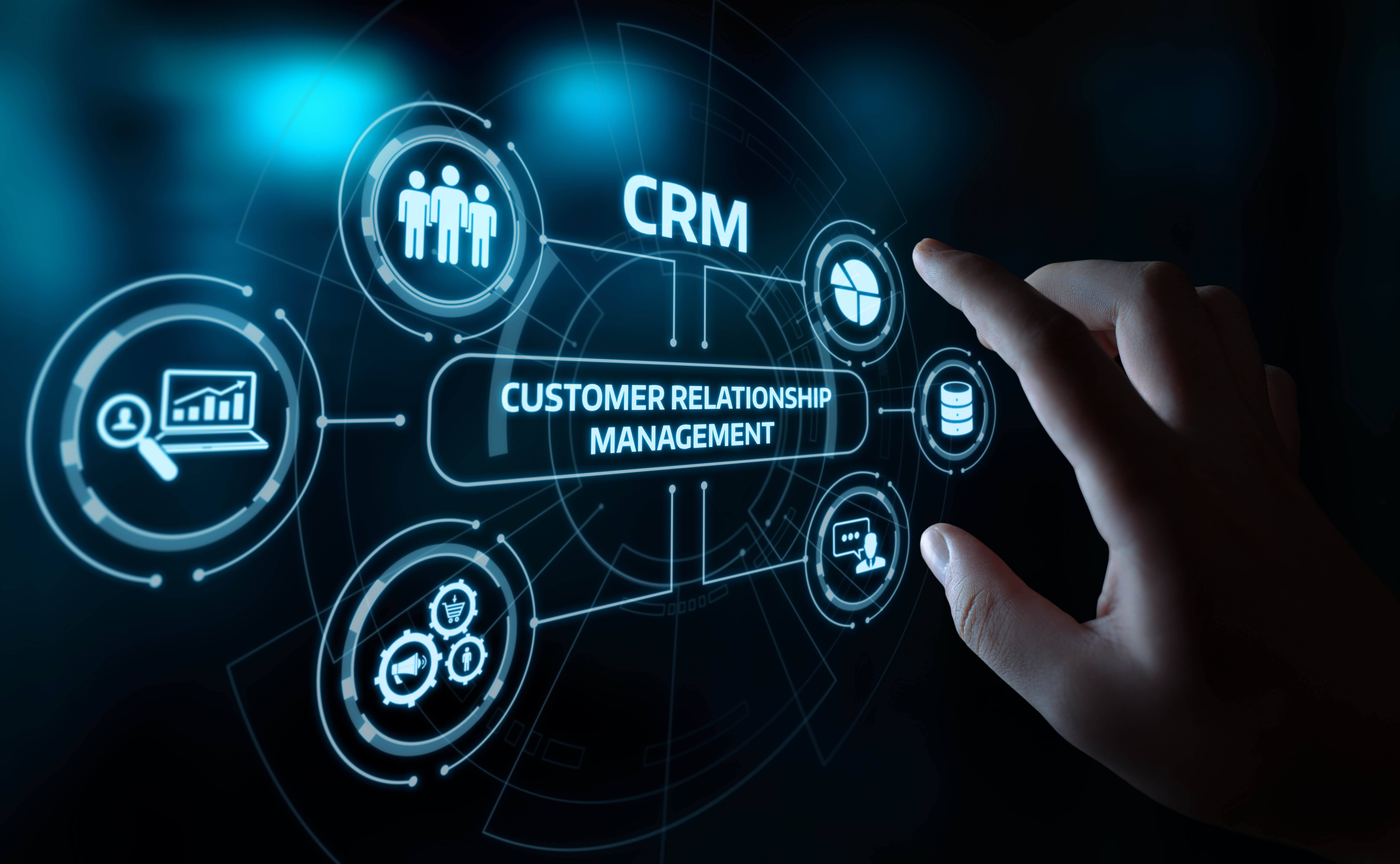
Most distributors can say, “We have a customer relationship management (CRM).” It’s true – more than half check that box.
But far fewer are getting meaningful value from it.
It’s not the CRM’s fault. CRM platforms have evolved dramatically over the years. What were once simple customer contact management systems have the potential to now be powerful platforms that deliver competitive insight, AI-driven recommendations and a 360° view of the customer.
The problem is not the tech. It’s how it’s used.
CRM’s Value is Underutilized
Despite so many businesses having a CRM in place, results remain underwhelming. Why? Because CRM is often installed, not implemented.
Let me explain.
Too many companies treat CRM as an IT deployment rather than what it should be: a sales engine. This is where the disconnect between ownership and ROI begins.
CRM systems are built with good intentions. Sales leaders want to gain better visibility and forecasting, develop stronger relationships, and eliminate choke points for their salespeople. So, when they implement CRM, they expect results.
However, they’re usually met with inconsistent usage, incomplete data, and unreliable forecasts. Sales teams who see the system as more of a burden than a tool. Feedback includes:
- “No one is using it.”
- “The data is a mess.”
- “It’s not helping us sell.”
That’s because the system is rarely built around how the sales team works. Instead, it’s configured based on vendor recommendations, generic templates, or internal assumptions about “how we’ve always done things.”
The part that doesn’t get attention. The sales process itself. For most distributors, the back end of the sales cycle – quote to order – is well defined. The front end – lead to opportunity – is where distributors are missing opportunities.
- Are there gaps in the pipeline?
- Miscommunication about follow-ups?
- Do reps have lots of quotes but not the hit rate to back it up?
These are things you can’t fix with software.
It’s not an easy thing to admit, but layering a CRM on top of these gaps only makes things worse. If that resonates with you, you’re not alone.
Why CRM Initiatives Fail
Most CRM efforts start with the assumption that this is a technology rollout. That’s where things begin to break down. Leaders underestimate what it takes to make CRM work. They don’t always account for the changes to process, behavior, and accountability.
Shared challenges include:
- Insufficient focus on process and culture change
- Attempting too much too quickly
- Lack of clear ownership or accountability
- Treating CRM as a one-time project with a start and end date
- Failing to communicate the WIIFM (What’s in it for me?) to the sales team.
These issues translate into lost revenue. Opportunities sit in the pipeline with no follow-up. Quotes are generated but never converted. Reps manage deals inconsistently, leading to lower win rates and unreliable forecasts.
Rather than addressing the root cause, distributors often assume the problem and the solution is technology.
How to Deliver Real Value with CRM
CRM can deliver value, but only when it is built on a well-defined sales process. Any new implementation or reset should begin with an evaluation of the current sales cycle:
- Identify where deals are being lost in the sales cycle.
- Pinpoint breakdowns in follow-up and communication
- Understand why quotes aren’t converting.
- Define and standardize the sales process.
- Align the system to how your team works.
- Clean and structure data so it can be used to drive decisions.
Even with the right foundation, CRM success comes down to how well it’s used day to day. If reps keep information in their heads or inboxes instead of the system, visibility is lost. If follow-ups are not tracked, opportunities are missed. Over time, the value of the CRM deteriorates.
That’s why training, documentation and ongoing reinforcement are critical. Most importantly, there must be accountability. Successful companies assign a CEO for CRM who is responsible for how the system is configured, rolled out, trained and used across the organization.
CRM does not create revenue on its own. It supports the execution of a defined sales process. When that process is clearly established and consistently followed, CRM can improve visibility, strengthen pipelines, and support better decision-making. Without that, the same issues will persist, and revenue will continue to be left on the table.
Share this article: