


Why This Matters to Distributors: Stanley Black & Decker’s $1 billion U.S. investment puts new money behind three issues directly affecting distributors: domestic product supply, faster product development, and the shortage of skilled tradespeople. For industrial, construction and tool distributors, the strategy could eventually affect sourcing, inventory availability, and the products they bring to customers.
Stanley Black & Decker plans to invest $1 billion in U.S. manufacturing and product development through 2028, a move that could reshape parts of the supply chain for distributors selling its tools and other products.
The New Britain, Connecticut-based manufacturer said Aug. 12 that half of the investment, or $500 million, will go toward research and development of next-generation tools and other products for professional tradespeople. The other approximately $500 million will support capital spending, U.S. manufacturing, and new product development.
For distributors, the size of the investment is significant, but where Stanley Black & Decker puts the money will matter more.
Additional domestic manufacturing could change sourcing, lead times, and product availability across distribution channels. At the same time, $500 million in research and development could accelerate the introduction of new tools and technologies that distributors will be expected to stock, sell, and support.
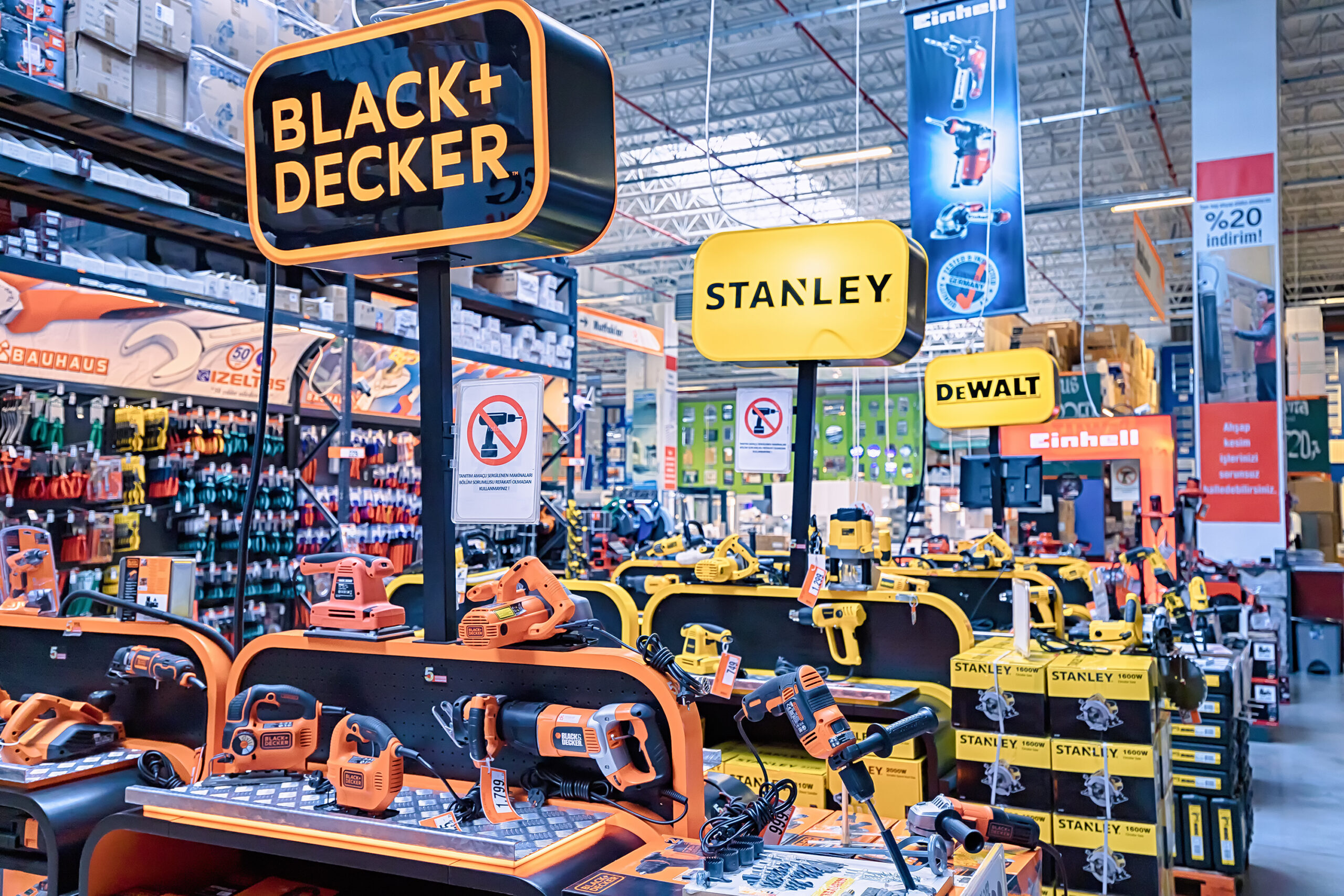
The investment covers Stanley Black & Decker’s portfolio of tool and outdoor brands, which includes DeWalt, Craftsman, Stanley, Black+Decker, and Cub Cadet. The company employs approximately 41,000 people globally.
“Our U.S. investment strategy has multiple dimensions and goes far beyond expanding manufacturing — it’s about igniting innovation, building world-class capabilities, and redefining the future of work in America,” CEO Chris Nelson said.
Nelson said the company is targeting products and technologies designed to improve safety and productivity for tradespeople.
Stanley Black & Decker has not disclosed which U.S. facilities or product categories will receive the manufacturing investment, leaving the immediate impact on distributors unclear.
But the strategy comes as manufacturers and distributors continue to rethink global sourcing and inventory strategies amid tariffs, transportation costs, and supply chain risk.
Stanley Black & Decker has already been restructuring its manufacturing and distribution network, reducing complexity, and changing its production footprint. The latest investment puts additional capital behind its U.S. operations while continuing that broader supply chain overhaul.
For distributors, more domestic production could reduce exposure to some international supply chain disruptions and potentially shorten replenishment cycles for certain products. Those benefits, however, will depend on which production Stanley Black & Decker adds or moves to the United States.
The company named Agustin Lopez Diaz chief global supply chain officer in December 2025, giving him responsibility for its end-to-end global supply chain, including network optimization and process digitization.
The commercial and industrial channel is already an important part of the company’s U.S. business. Stanley Black & Decker said in July that second-quarter Tools & Outdoor volume increased 3%, driven primarily by U.S. retail and commercial and industrial channels. Total company sales were approximately $4 billion, unchanged from a year earlier.
The research and development portion of the investment could have an equally important channel impact.
Stanley Black & Decker plans to put approximately $500 million into developing next-generation tools and other products for professional users.
That could increase the pace of new product introductions flowing through industrial, construction, and tool distributors.
It also reflects a broader shift in what distributors are being asked to sell. Tool manufacturers increasingly compete in productivity, battery platforms, connected products, digital job-site capabilities, and other technologies rather than simply adding incremental features to traditional products.
That raises the stakes for distributors.
More sophisticated products can create additional sales opportunities, particularly with contractors trying to accomplish more work with fewer employees. But they can also require distributor salespeople to understand applications, demonstrate technology, and explain productivity gains rather than compete primarily with product availability and price.
Stanley Black & Decker said the investment is intended to help tradespeople “work safer” and “reach new levels of productivity.”
For distributors serving contractors, that productivity focus addresses a growing customer problem.
Stanley Black & Decker is also putting additional money behind efforts to expand the skilled trades workforce.
The company has committed $60 million through 2030 to its DeWalt Grow the Trades initiative, including $27 million already deployed. The program supports training programs and career pathways into skilled trades.
Stanley Black & Decker cited estimates that 500,000 additional workers will be needed in the skilled trades by 2027.
The shortage directly affects distributors serving construction and trade customers.
Contractors cannot increase project volume without enough electricians, plumbers, HVAC technicians, construction workers, and other skilled employees. Labor shortages can therefore limit demand for the products distributors sell even when construction and infrastructure spending creates additional work.
The shortage is also increasing pressure on contractors to improve productivity with their existing workforce.
That creates an opening for distributors that can help customers select tools, equipment and technology that reduce labor requirements, improve job-site productivity, or allow smaller crews to complete more work.
Stanley Black & Decker’s strategy connects those two issues: developing more productivity-focused products while investing in expanding the pool of workers who use them.
“By advancing technology, investing in U.S. manufacturing and expanding training to skilled trades, Stanley Black & Decker is helping to build a stronger workforce and a more resilient future for communities across the nation,” Nelson said.
The biggest unanswered question is how the $1 billion translates into actual production capacity and products.
Stanley Black & Decker has not provided a facility-by-facility breakdown of the investment or identified how much additional U.S. production it expects to generate.
Those details will determine whether distributors see meaningful changes in lead times, product availability, and sourcing.
The research and development spending also bears watching. Putting approximately $500 million behind new products could create a larger pipeline of tools and technologies aimed at helping contractors overcome labor shortages and increase productivity.
For distributors, that means Stanley Black & Decker’s investment is not simply a manufacturing story.
It is a channel story involving where products are made, how quickly new products reach the market and what distributors will need to sell as their customers look for ways to get more work done with fewer people.
Do not miss any content from Distribution Strategy Group. Join our list.
Share this article:
