




-

Grainger Embeds AI Across Warehouse Operations, Customer Service and Ecommerce
CEO D.G. Macpherson said Grainger’s AI deployments now fall into two primary categories: internal productivity and customer-facing digital capabilities.
-

Schneider Electric CMO Says AI Turned B2B Marketing into Structural Change
Among Schneider Electric’s pilot users, 100% said they would recommend the new generative AI tools to colleagues. But only 55% said they were personally ready to use the tools themselves.
-

Epicor Expands Agentic AI Strategy Inside Enterprise Resource Planning Systems
The announcement reflects growing competition among enterprise resource planning providers to embed agentic artificial intelligence directly into core business systems as distributors and manufacturers seek ways to automate increasingly complex operational processes.
-
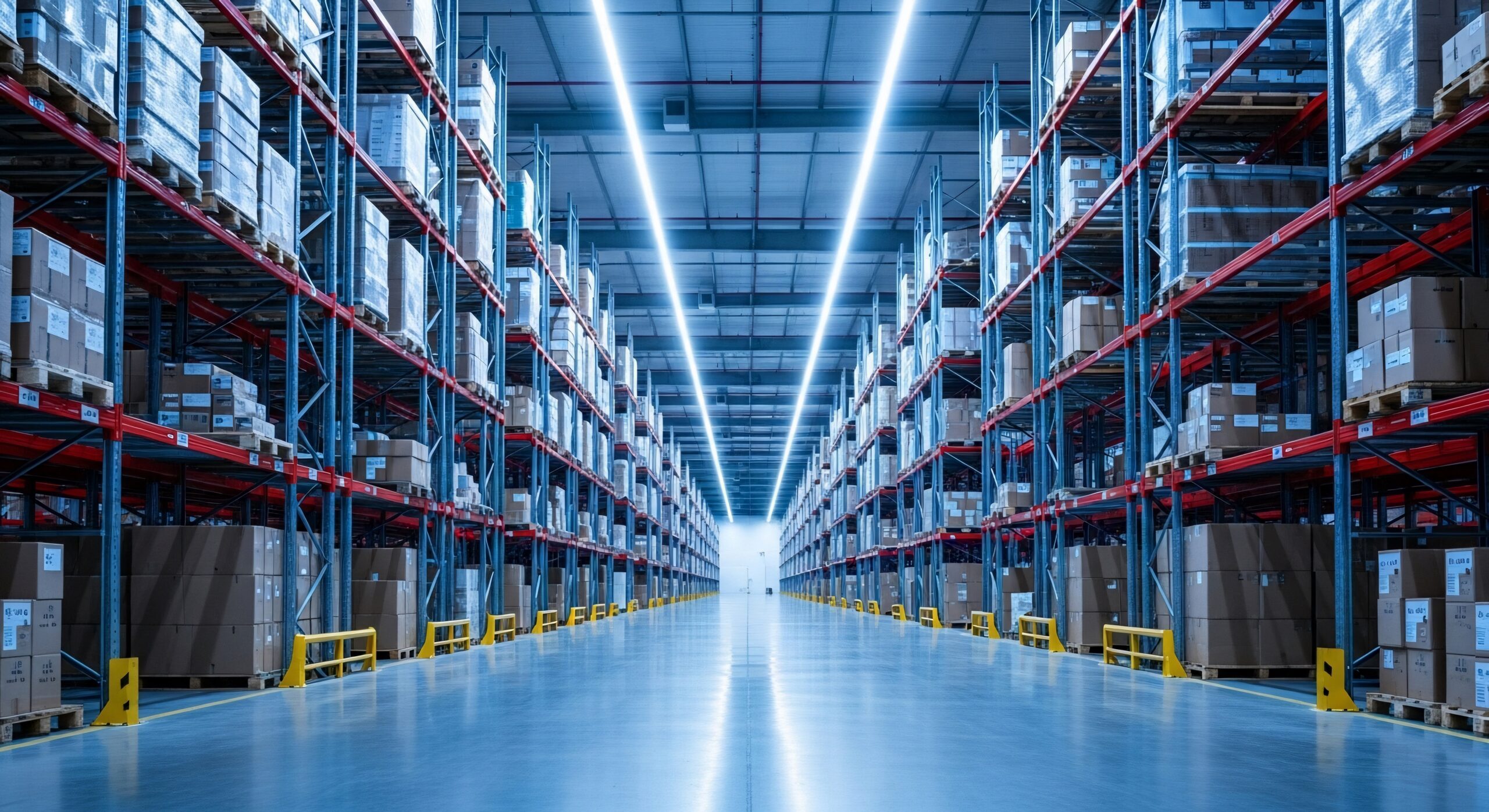
Van Meter Expands Minnesota Distribution Center with Robotics Automation
The project also includes deployment of warehouse automation technology from Hai Robotics as part of a multiyear investment designed to increase fulfillment capacity and operational efficiency.
-

Private Equity Firm Launches Fuel Distribution Platform to Consolidate Regional Operators
The company said Continental Fuel Group will pursue acquisitions of distributors specializing in bulk fuel, mobile fueling, on-site fueling and wholesale fuel delivery.
-

McKesson Posts Record Revenues, Drives AI Deep into Distribution Operations
The clearest example of McKesson’s infrastructure build-out is its new Montreal distribution center, launched during the quarter as part of what the company calls its “supply chain of the future” initiative.
-
Lowe’s Tightens Its Grip on the Small Pro with AI Tools, Trades Investment
The most consequential long-term signal for the distribution industry was Lowe’s $250 million commitment through the Lowe’s Foundation to train approximately 250,000 skilled tradespeople.
-

Manufacturing Output Hits 4-Year High, but War-Driven Cost Surge Clouds Distributor Demand
The combination of war-related energy costs, tariff-driven supply constraints and lengthening lead times mirrors the conditions that pressured distributor operations through 2021 and 2022.
-
CDW Posts 9.2% Revenue Gain on AI Infrastructure Demand
Growth was driven primarily by increased customer demand for data storage and servers, networking products, software and mobile devices, CDW said.
-
Stellar Industrial Supply Reorganizes Commercial Operations to Boost Customer Acquisition
CEO John Wiborg said the company sees additional opportunities to accelerate organic growth by creating separate teams focused on new customer development and existing account expansion.