



-
Grainger Strategy Shifts Toward Data Centers, Customer Productivity and Distribution Network Expansion
Grainger said MRO demand strengthened across every major customer segment during the quarter, with manufacturing, government, contractors, and retail all contributing to growth.
-
Grainger Extends Growth Streak as Industrial, Digital Businesses Drive Double-Digit Gains
Grainger now expects full-year sales of $19.4 billion to $19.7 billion, compared with its previous forecast of $19.2 billion to $19.6 billion.
-
Graybar Reports Record Second-Quarter Sales and Profit as Growth Strategy Gains Momentum
For the first six months of 2026, net sales increased 12.1% to $7.1 billion from $6.3 billion in the same period last year, while net income climbed 25.7% to $300.5 million from $239.1 million.
-
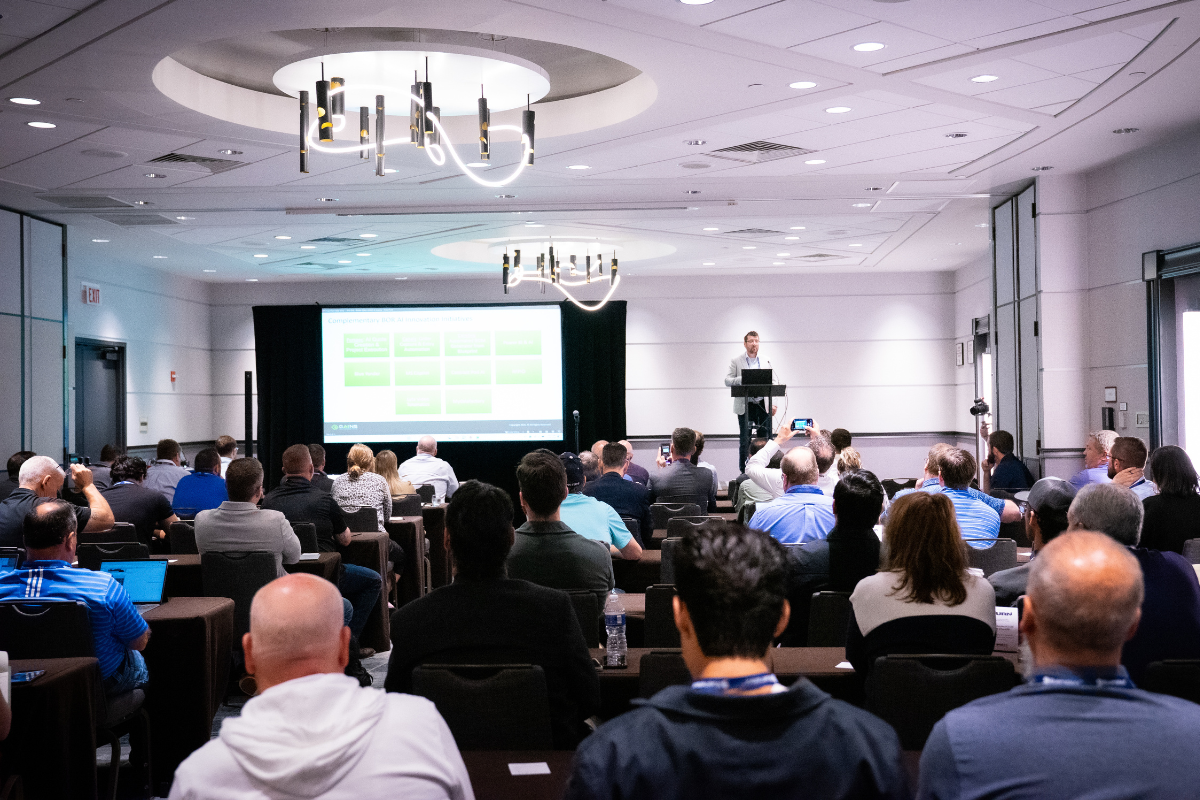
DSG’s Atlanta AI Forum to Showcase How Leading Distributors Are Scaling AI
The DSG regional event will provide attendees with practical insight from distributors that are actively integrating AI into sales, operations, and customer service rather than simply evaluating the technology.
-
AI Top 25 Benchmark Reveals Six Habits Separating Distribution’s AI Leaders
The companies that made the AI Top 25 distinguished themselves not by the software they bought, but by how they organized their businesses.
-
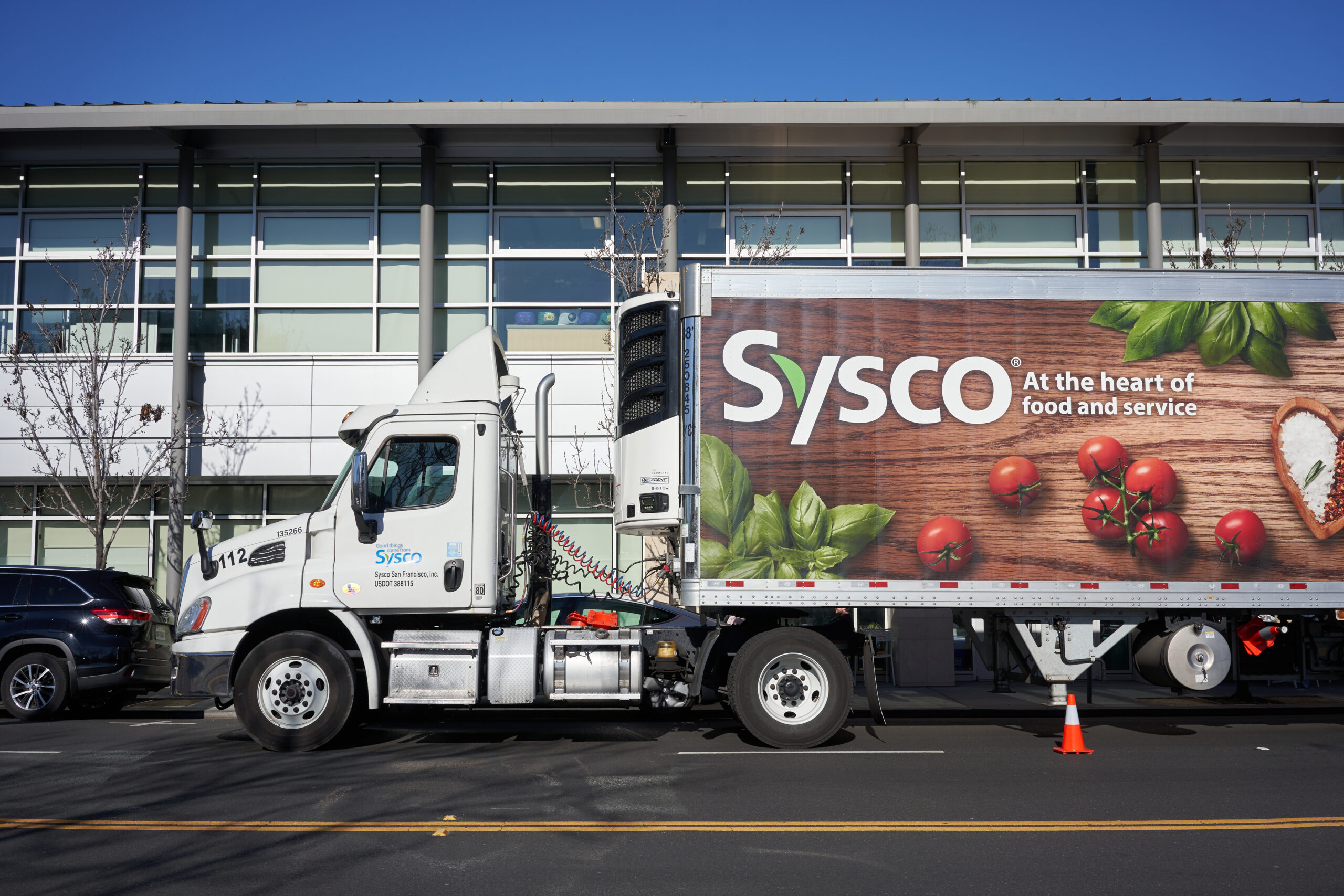
Sysco Bets on AI to Drive $100 Million in Productivity Gains
Sysco’s announcement reflects a broader trend among large distributors to expand AI beyond customer-facing applications and into supply chain, logistics and back-office operations, where productivity improvements can have a greater impact on profitability.
-

AD Member Sales Top $58 Billion in First Half as Independent Distributors Continue Expansion
The results extend AD’s momentum from the first quarter and come less than a month after the organization announced its intent to acquire supplyFORCE, a provider of national maintenance, repair and operations (MRO) and government contract management services
-
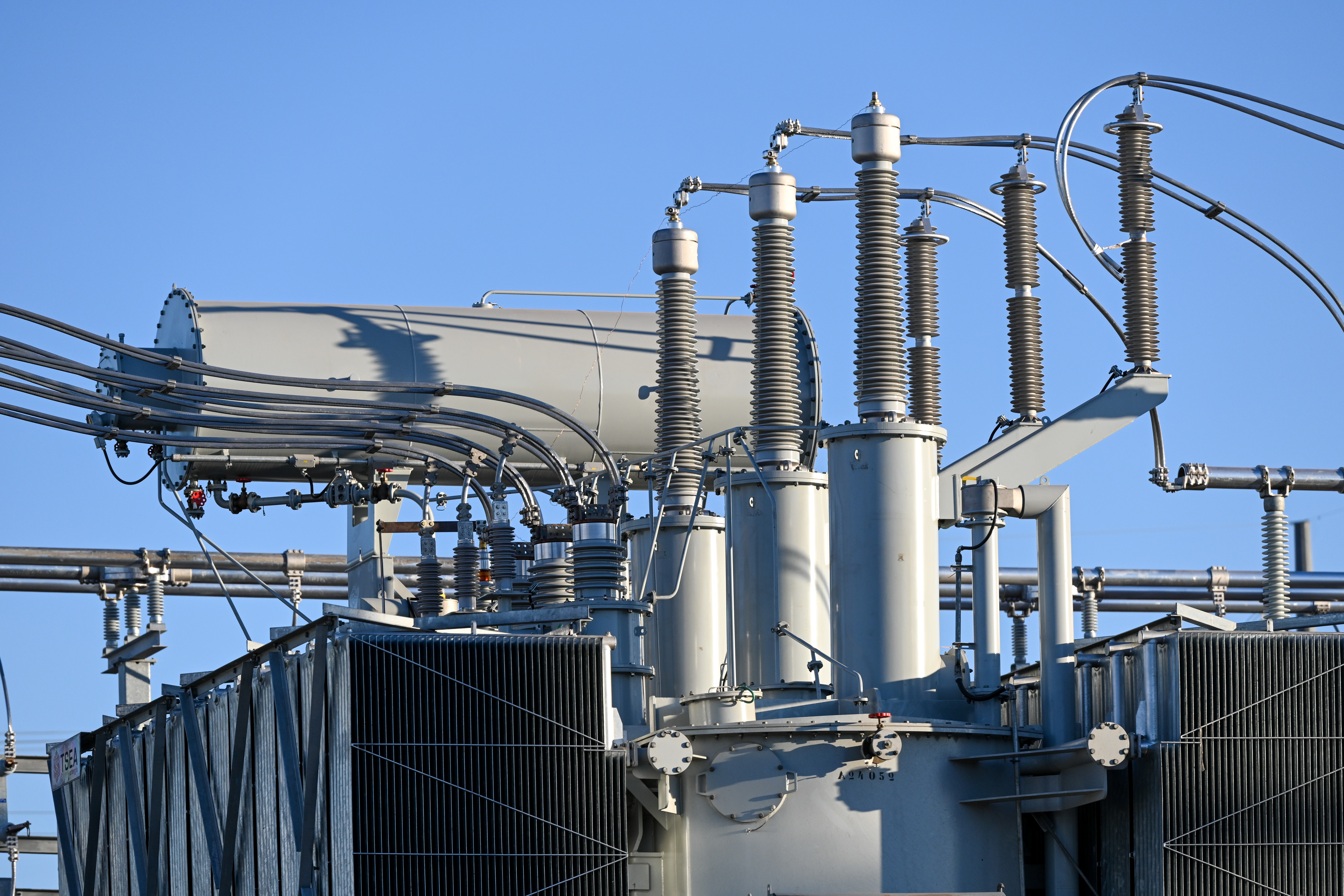
Prysmian to Buy Atkore for $3.8 Billion, Expanding Reach Across North American Electrical Distribution
The acquisition combines two major suppliers to the electrical industry as investment accelerates in power infrastructure, artificial intelligence data centers, manufacturing expansion and grid modernization—markets that increasingly drive demand for electrical distributors.
-

James Hardie Expands Distribution Network Through Six Regional Partners
The expansion builds on longstanding relationships with the distributors rather than creating new partnerships.
-

AlarMax Expands Logistics, Training Capabilities with New Fulfillment Center and Innovation Lab
The investments reflect a broader shift in specialty distribution as security, access control, networking and audiovisual systems become more integrated and technically complex.