


Why This Matters to Distributors: AutoZone is simultaneously scaling its store network, absorbing tariff cost pressure, and deploying AI across a cloud-native infrastructure — a combination that compresses the competitive window for distributors who are still treating technology investment as a future priority rather than a present one.
AutoZone has completed a full migration to Google Cloud, exiting its legacy data centers in under three years and positioning the Memphis-based auto parts distributor to deploy artificial intelligence across store operations, system monitoring, and workforce productivity.
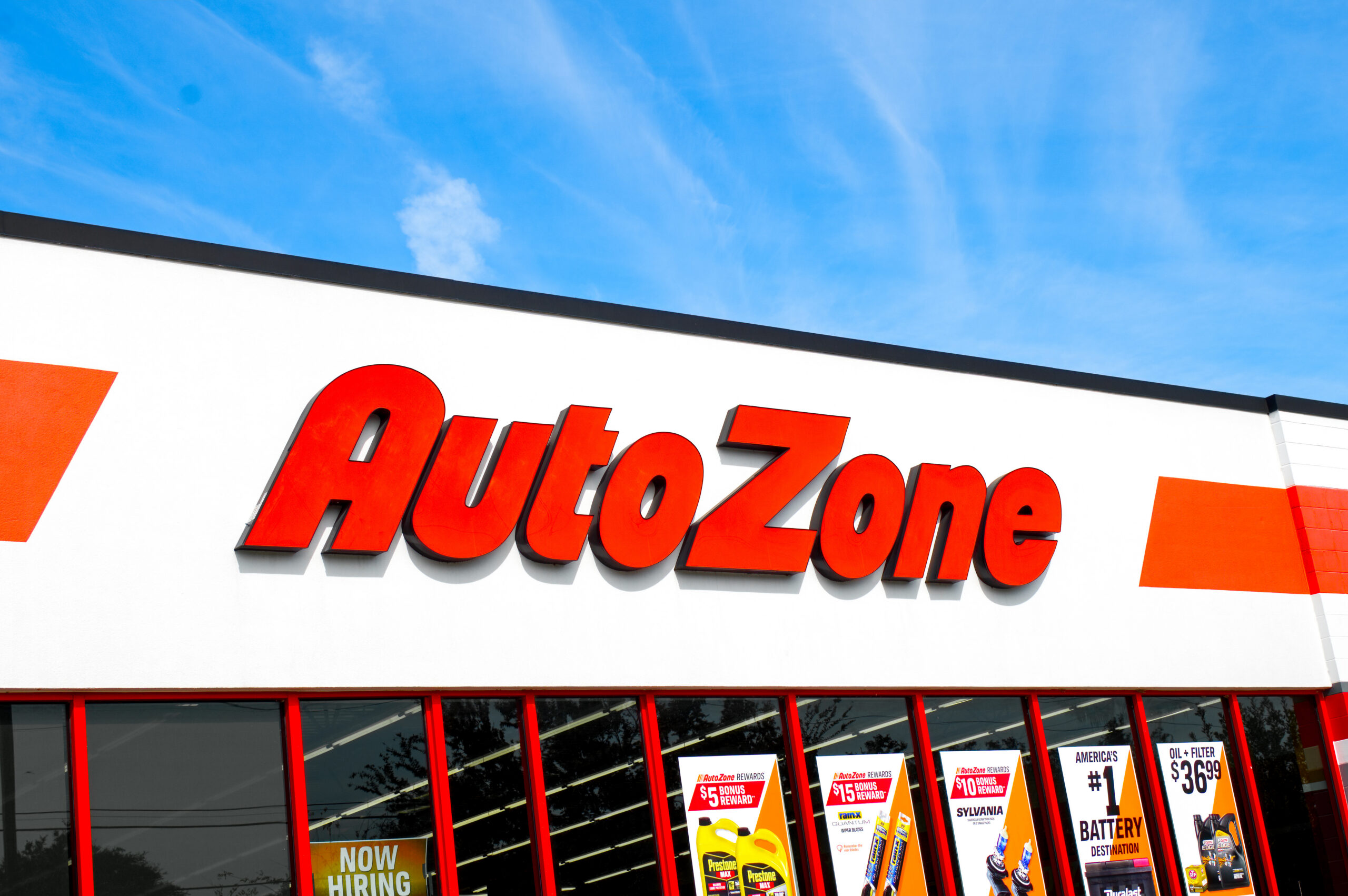
AutoZone, which operates 7,774 stores across the U.S., Mexico and Brazil, transitioned most of its applications to Google Cloud and is now moving into an AI-driven architecture designed to improve decision-making speed and operational performance.
“Completing our cloud migration is a significant milestone, and our partnership with Google has been instrumental to this success. But it’s not the finish line,” said Michelle Borninkhof, senior vice president and chief information officer at AutoZone. “We are now looking to leverage Google AI Cloud to help us enhance system monitoring, accelerate development, and enable faster decision making.”
Borninkhof said AutoZone is in the preliminary stages of deploying Gemini Enterprise to automate high-volume tasks and improve employee productivity. Jose Gomes, vice president of retail and consumer packaged goods at Google Cloud, said the migration positions AutoZone to make the most of its data and improve the experience for customers and employees.
The cloud announcement came AutoZone in March reported fiscal second-quarter results that reflected strong sales growth alongside rising costs driven by tariffs. Total sales reached $4.3 billion, up 8.1% versus the same period last year.
Domestic commercial sales — parts sold to repair shops, dealers, and fleet operators — grew 9.8% in the quarter before severe winter storms shut down commercial customers across a wide stretch of the country in the final two weeks of the period. What had been a 12% commercial sales increase through the first 10 weeks of the quarter fell to just over 1% in weeks 10 and 11. Chief Financial Officer Jamere Jackson said the commercial business has since snapped back and is performing in line with the first quarter.
Retail sales to everyday customers grew 1.5% for the quarter, consistent with the prior period. Higher parts prices — up more than 6% on a like-for-like basis — pushed the average customer transaction up 5.2%, though the number of customer visits declined 3.6%. Management expects customer traffic to recover as price increases begin to level off by late summer.
Tariffs are adding significant cost pressure. AutoZone absorbed $59 million in higher inventory costs in the second quarter tied to tariff-driven price increases from suppliers and expects to absorb $60 million more in each of the two remaining quarters of fiscal 2026 — a full-year tariff cost burden of $277 million, compared with $64 million last year. The company is responding by renegotiating supplier contracts, shifting sourcing, and raising prices in select categories. Jackson said not all the tariff cost increases have been passed through yet, meaning price pressure on customers is likely to continue through the rest of the fiscal year.
AutoZone opened 64 stores in the second quarter and is at pace to open 350 to 360 locations for the full fiscal year, up from 304 last year, with plans to reach 500 annual openings by fiscal 2028. The company now operates 142 oversized Mega Hub stores — locations carrying more than 100,000 parts that also supply surrounding stores — and is targeting more than 300 at full build-out. President Philip Daniele said Mega Hubs are outperforming expectations and continue to drive sales gains in every market where they operate. AutoZone is spending $1.6 billion this fiscal year on new stores, distribution centers, and technology.
Daniele said the company expects sales momentum to build in the second half of fiscal 2026, driven by repair demand deferred from this winter’s harsh weather, anticipated tax refund spending, and continued market share gains with commercial customers. AutoZone has commercial selling programs in 94% of its domestic stores.
Do not miss any content from Distribution Strategy Group. Join our list.
Share this article:
