


Why This Matters to Distributors: The increase will raise transportation costs for many distributors entering the second half of the year and serves as another indication that less-than-truckload carriers continue to prioritize pricing over volume despite a freight market that remains below peak demand levels.
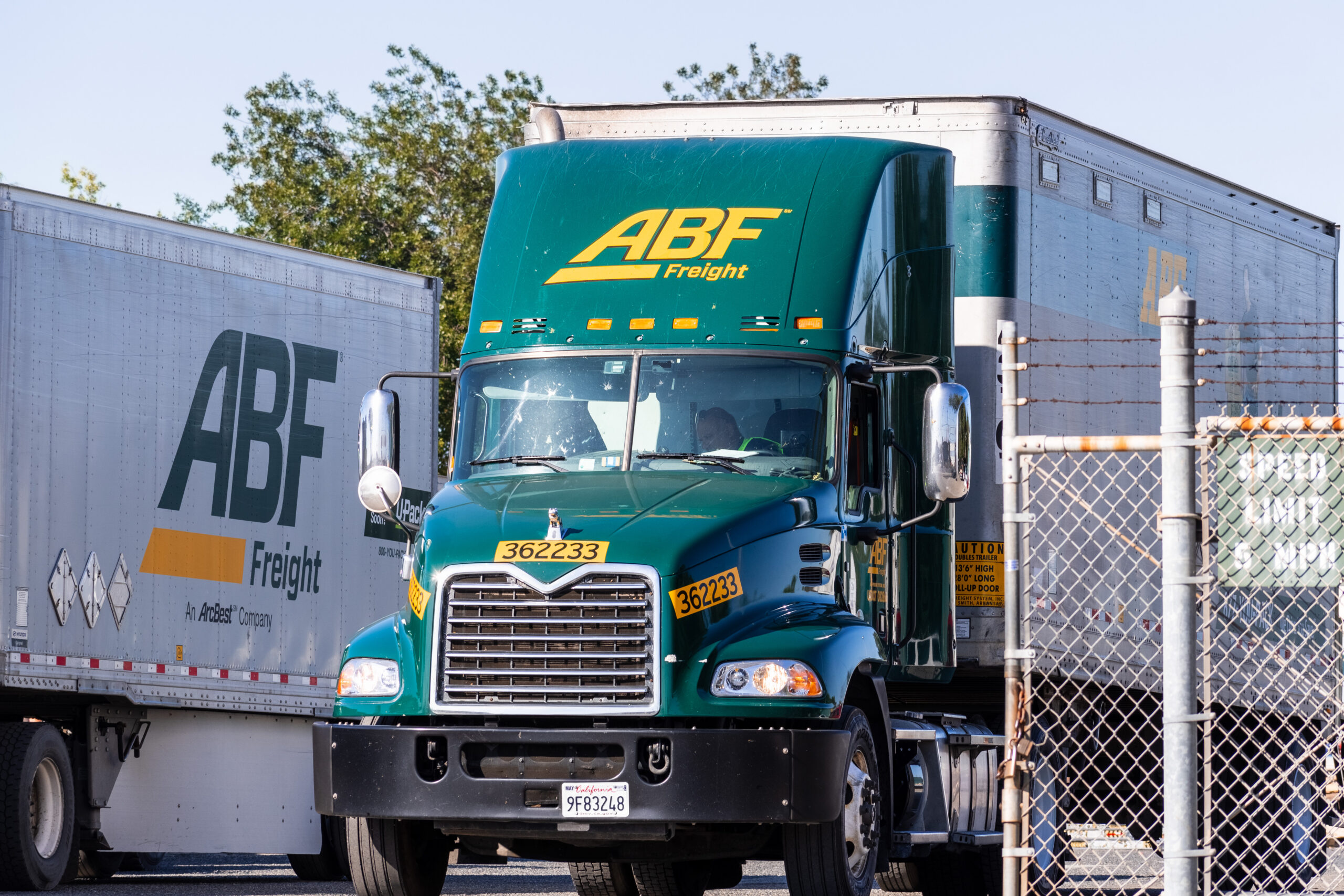
ArcBest Corp. and its less-than-truckload subsidiary ABF Freight will increase published general rates and charges by an average of 5.9% effective June 22, continuing a pricing strategy that has helped carriers maintain rate discipline despite uneven freight demand.
The increase applies to ABF Freight’s published less-than-truckload tariff rates and charges. The company said the actual impact will vary by shipment characteristics, lane and freight classification. Updated rates will be available through ArcBest’s website before the effective date.
The move follows a similar 5.9% general rate increase implemented by ABF Freight in August 2025 and comes as carriers across the LTL sector continue to push through mid-single-digit pricing increases to offset rising operating costs.
During its first-quarter earnings report, ArcBest said contract renewals in its asset-based segment, which includes ABF Freight, generated average price increases of 6.3%, the strongest pricing performance since the third quarter of 2022. Company executives also projected sequential operating ratio improvement in the second quarter that exceeds normal seasonal trends.
The increase reflects broader conditions across the LTL market, where carriers have largely maintained pricing power despite freight volumes that remain below historical highs.
Since the 2023 bankruptcy of Yellow Corp., one of the nation’s largest LTL carriers, the industry’s capacity has become more concentrated among a smaller group of national operators. That consolidation has allowed carriers to maintain pricing discipline even as industrial production, manufacturing activity and housing-related freight have recovered unevenly.
Industry analysts have projected mid-single-digit LTL rate increases throughout 2026 as carriers continue to contend with higher labor, insurance, equipment and maintenance costs.
ABF Freight enters the rate increase from a position of improving volume performance. ArcBest reported that daily shipments at ABF Freight increased 2.4% year over year during the fourth quarter of 2025, driven in part by new customer wins and recovering demand across industrial and manufacturing markets.
The company said approximately 20% of its asset-based freight business is affected by general rate increases in a given year, while the remainder is governed by negotiated contracts and other pricing agreements.
For distributors, the announced increase serves as a reminder that published tariff changes can affect freight costs even when negotiated discounts remain unchanged.
Many distributor contracts are structured as discounts off a carrier’s published base tariff. When the underlying tariff increases, the effective transportation cost can rise even if the contractual discount percentage remains the same.
The impact will vary widely based on shipment density, freight class, lane profile and contract structure. Distributors that rely heavily on ABF Freight for outbound deliveries or supplier shipments may want to review transportation budgets and consult with carrier representatives to understand how the June 22 increase will affect actual freight costs.
ABF Freight operates approximately 240 service centers across North America and provides service throughout the United States, Canada and Puerto Rico. The carrier’s cost structure includes labor expenses associated with its Teamsters-represented workforce, along with ongoing investments in equipment, facilities and network operations.
The latest increase reinforces a trend that has defined the LTL market since Yellow’s collapse: carriers have shown a willingness to sacrifice some volume growth in favor of preserving pricing and profitability. For distributors, that means transportation costs are likely to remain under pressure even if freight demand softens during the second half of the year.
Do not miss any content from Distribution Strategy Group. Join our list.
Share this article:
