


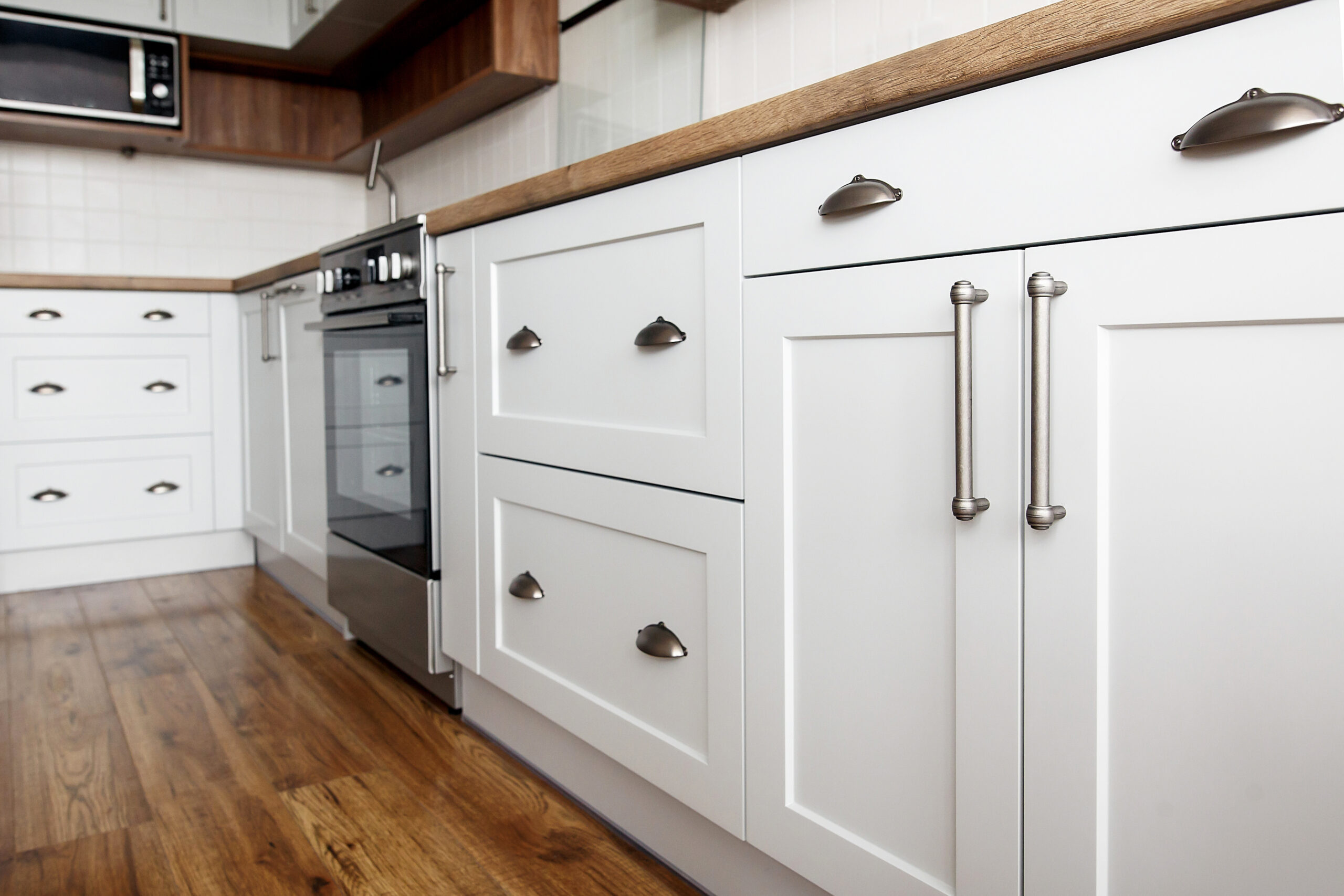
Why This Matters to Distributors: Bed Bath & Beyond’s expansion into building products distribution introduces a vertically integrated competitor that combines retail demand, wholesale supply, and installation services, increasing pressure on pricing, margins and contractor relationships while accelerating the shift toward project-based, service-driven competition.
Bed Bath & Beyond Inc. is moving deeper into building products distribution and contractor-driven home improvement, saying Wednesday it has signed a letter of intent to acquire F9 Brands Inc., owner of Lumber Liquidators, Cabinets To Go and Southwind Building Products, in a transaction valued at about $150 million.
The deal, expected to close after the company’s annual shareholder meeting in May pending due diligence and regulatory approvals, would combine retail, wholesale distribution and installation services under a new platform called Beyond Home Services. The purchase includes about $37 million in cash and 16 million shares of Bed Bath & Beyond stock, valued at $107 million based on a $7.00 share price, along with a potential $25 million earnout tied to future earnings performance.
F9 Brands generated approximately $522 million in net delivered sales in fiscal 2025 and holds about $130 million in inventory, according to the company. Its portfolio includes Lumber Liquidators, a specialty flooring retailer with more than 200 stores; Cabinets To Go, a kitchen cabinet retailer with more than 100 locations; and Southwind Building Products, a supplier serving 4,400 independent retailers and contractors.
The addition of Southwind is central to the strategy, giving Bed Bath & Beyond an established wholesale distribution arm in flooring and building materials and immediate access to contractor and dealer networks that have historically been served by independent distributors.
CEO Marcus Lemonis said the combined platform is designed to take customers “from concept to completion,” integrating product selection, installation, and financing across categories such as cabinets, flooring, and storage. The company plans to use more than 2.2 million square feet of retail space to create project-focused showrooms where customers can design, purchase and install full home solutions.
Jason Delves, CEO of F9 Brands since 2019, will lead the Beyond Home Services unit. Under his leadership, the business expanded from $145 million to $522 million in sales through a mix of organic growth and acquisitions.
The transaction marks a shift by Bed Bath & Beyond away from traditional home goods retail into higher-ticket, project-based categories that depend on distribution networks, contractor relationships, and installation services. The company said it expects to drive value through increased purchasing scale, higher-margin product categories, and operational efficiencies.
For distributors, the deal signals a new form of competition: a national retailer moving directly into wholesale channels while integrating supply, services, and financing. By acquiring Southwind, Bed Bath & Beyond gains a foothold in a fragmented distribution market and a network of thousands of independent dealers and contractors, positioning it to compete more directly for the same customer base.
The strategy also reflects a broader shift toward capturing the full value of home improvement projects rather than individual product sales. By bundling materials, installation and financing, Bed Bath & Beyond is aiming to increase transaction size and customer lifetime value—an approach that could pressure traditional distributors that rely primarily on product margins.
At the same time, the company’s scale, and access to consumer data across its retail brands could influence pricing, assortment, and demand forecasting in ways that ripple through supplier and distributor relationships. The ability to connect consumer demand signals with contractor purchasing behavior may give the combined business an advantage in targeting high-value projects.
The move comes as competition intensifies across building products and home improvement, with retailers, distributors and manufacturers increasingly overlapping in capabilities. Bed Bath & Beyond’s expansion into distribution underscores the continued convergence of these roles, raising the stakes for distributors to differentiate through service, digital capabilities, and closer alignment with contractor customers.
If completed, the acquisition would position Bed Bath & Beyond as a more vertically integrated player spanning retail, distribution, and home services, marking a significant shift in how value is created and captured across the home improvement supply chain.
Do not miss any content from Distribution Strategy Group. Join our list.
Share this article:
