


News
All the latest reporting and analysis from Distribution Strategy Group.
-

UNFI Returns to Profit as Restructuring Efforts Lift Margins, Reduce Debt
The sales decline was driven primarily by the closure of the company’s distribution center in Allentown, Pennsylvania, completed during the first quarter of fiscal 2026, as well as the wind-down of short-term project work within its natural products segment.
-

GrubMarket Launches AI Sales Agent for Food Distributors
The launch is the latest addition to GrubMarket’s broader strategy of developing specialized AI applications for food supply chain companies.
-

Distributors Pay Up for AI Talent as Hiring Expands Beyond IT
The next phase of competition may depend less on which AI tools distributors purchase and more on whether they can recruit, train and retain employees capable of turning those tools into measurable business results.
-
DSG Tech Talk With Becca Toth From SugarAI
In this DSG Tech Talk, Ian Heller of Distribution Strategy Group talks with Becca Toth, chief marketing officer of SugarAI, about why the company dropped CRM from its name and what that change signals for wholesale distributors. Toth argues that traditional CRM has become a tax on productivity. For decades, frontline sellers fed records, notes…
-
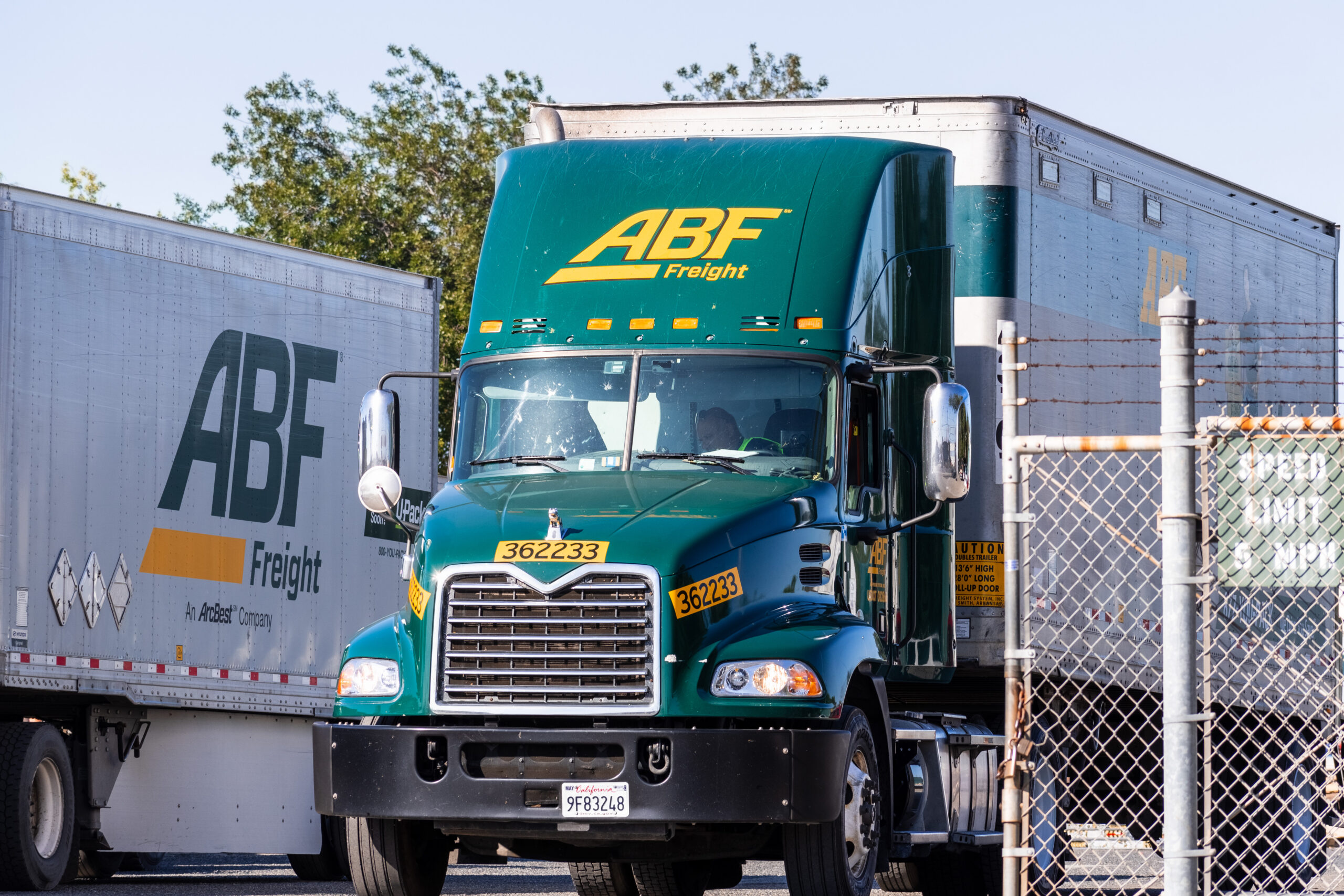
ArcBest, ABF Freight to Increase LTL Rates 5.9%
For distributors, that means transportation costs are likely to remain under pressure even if freight demand softens during the second half of the year.
-

Anthropic IPO Filing Signals Enterprise AI Has Become Core Business Infrastructure
For wholesale distributors, the implications are clear: AI is becoming part of the infrastructure of modern commerce, and the competitive gap between organizations that effectively deploy it and those that do not is likely to widen.
-

Wesco and US Foods Open Distribution Industry’s 2026 Sustainability Reporting Season
Wesco International and US Foods are the first major distributors to publish reports this year, detailing progress on emissions reductions, workplace safety, workforce development, and sustainable supply chain initiatives
-

Mill Point Capital to Acquire Total Safety Distribution Unit in Industrial Supply Carve-Out
For distributors, the transaction reflects continued consolidation and investment activity across the industrial supply sector, where private equity firms remain attracted to businesses with recurring customer demand, strong retention rates, and opportunities for operational expansion.
-

Apollo Investment in Apex Signals Continued Consolidation Pressure for Distributors Serving Residential Trades
Distributors that once managed dozens of independent contractor relationships may increasingly find themselves negotiating with a smaller number of large organizations that control purchasing across multiple states and markets.
-

Wholesale Employment Remains Flat as U.S. Adds Stronger-Than-Expected 172,000 Jobs in May
For distributors, the labor data continues to point toward a sector generating more output without adding significant headcount.