

Why This Matters to Distributors: Janitorial and sanitation distributors are facing a market in which customers increasingly expect more than cleaning chemicals and supplies. Sustainability certifications, dispensing systems, automation technologies, and digital cleaning solutions are becoming larger parts of procurement decisions. Distributors that can provide expertise in compliance, sustainability reporting, chemical management, and cleaning technology may be better positioned as customers modernize facility operations.
Sustainability initiatives, automated chemical dispensing systems, and growing adoption of data-driven cleaning technologies are reshaping the U.S. professional cleaning market, according to a midyear industry analysis released by Kline & Company.
The report, authored by Laura Mahecha, director of professional cleaning products at Kline & Company, draws on the firm’s surveys of professional cleaning end users and identifies sustainability, automation and evolving customer expectations as key forces influencing purchasing decisions.
Among sustainability initiatives, the use of environmentally preferred cleaning products remains the most common, according to Kline’s research. The firm’s survey found that most respondents are willing to pay more for green cleaning products, while more than half said such products perform as well as traditional cleaning chemicals. More than 30% of respondents said green products are more effective than conventional alternatives.
Kline reported that facilities are increasingly focused on reducing plastic waste, using recycled-content packaging and conserving water and energy. Approximately 58.4% of end users surveyed said they identify environmentally preferred products through certification programs such as Green Seal, UL ECOLOGO and EPA Safer Choice.
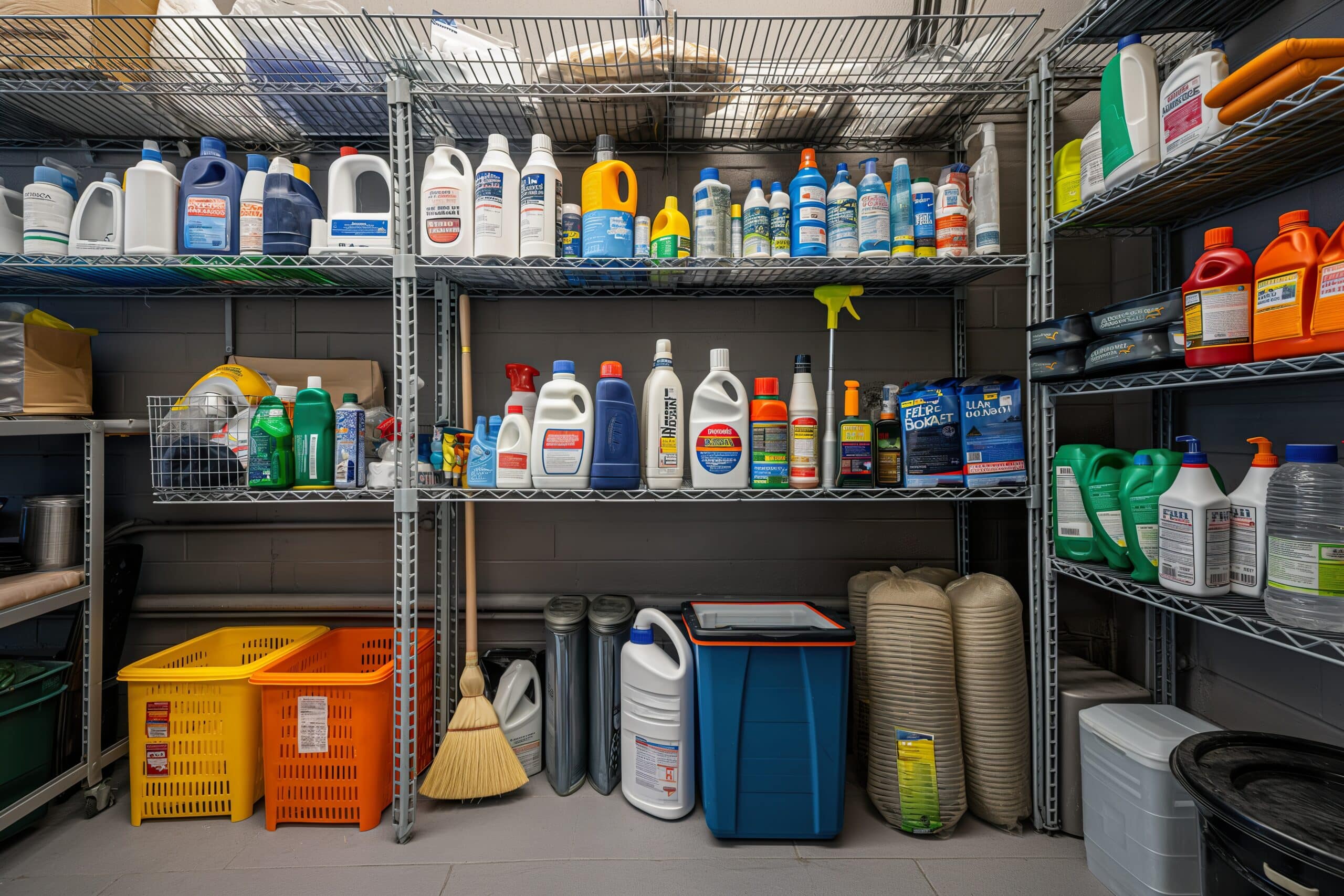
The research also points to widespread adoption of dilution and dispensing systems for cleaning chemicals. According to Kline, 72% of survey respondents said they use dilution and dispensing systems in their facilities, with between 29% and 49% of cleaning chemicals being dispensed through those systems.
Respondents cited employee safety, improved cleaning performance through proper chemical dilution and cost efficiency as the primary reasons for using the technology.
Beyond product selection, Kline said customer requirements continue to evolve in response to labor challenges, higher cleaning standards, and increased use of digital technologies.
The firm noted that demand for cleaning and hygiene programs remains elevated in sectors such as healthcare and hospitality, where cleaning practices are increasingly linked to occupant health, wellness, and indoor air quality. Businesses are also making greater use of digital tracking tools and disinfection records to document cleaning activities.
At the same time, labor shortages continue to pressure facility operators, prompting greater investment in automation and robotics. Kline said autonomous cleaning equipment and artificial intelligence-enabled systems are increasingly being used to perform repetitive tasks, allowing workers to focus on supervision and specialized cleaning functions.
The report also highlighted growing adoption of Internet of Things-enabled monitoring systems, digital inspection tools and data-driven cleaning programs that adjust service schedules based on actual facility usage rather than fixed routines.
According to Kline, sustainability is increasingly becoming a baseline requirement rather than a competitive differentiator. The firm said customers are placing greater emphasis on low-water and energy-efficient technologies, biodegradable chemistries, and circular packaging programs, with those considerations increasingly influencing purchasing and procurement decisions.
Do not miss any content from Distribution Strategy Group. Join our list.
Share this article:
