



AI in Distribution
-

SYSPRO Puts AI Agents to Work Inside Distributor Operations
The launch comes as software providers increasingly develop agentic AI systems capable of performing defined business tasks instead of simply generating information or recommendations.
-

GrubMarket Launches AI Tool for Produce Pricing
The tool allows distributors to ask questions about fruit and vegetable prices and, when connected to their internal systems, compare market benchmarks with their own sales and purchasing data.
-

Ingram Micro Makes AI Central to Its Distribution Strategy
Ingram Micro said its strategy combines AI with the data, workflows and transactions generated across its global distribution network.
-

Wholesale Trade Trails Nearly Every Industry in Canadian AI Adoption
Just 7.9% of wholesale trade businesses reported using AI to produce goods or deliver services during the previous 12 months, according to recent Statistics Canada data
-
Sysco Targets $500 Million in AI Savings Across Distribution Operations
The $500 million program will be rolled out over the next three years and is intended to change how Sysco manages everyday work in areas including truck routing, merchandising, and sales.
-
AI Top 25 Reveals a Wide Execution Gap Across Wholesale Distribution
Distribution Strategy Group’s recently published State of AI in Distribution research found that 93% of distributors consider AI a strategic priority, while just 16% have deployed it across multiple business functions
-

Continental Battery Takes AI Into Core Sales Operations
The deployment extends AI beyond reporting and analysis and into day-to-day sales execution at Continental.
-
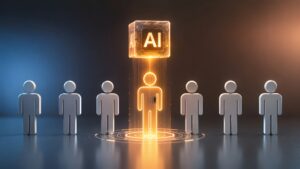
Distributors Build an AI Workforce as Hiring Moves into Core Operations
Distributors spent much of the initial generative AI boom testing tools, launching pilots and determining where the technology might fit. The next phase requires people who can connect those tools to actual distribution processes.
-
Mountainland Supply Deploys AI to Cut Dead Stock Across 42 Branches
In Mountainland’s case, AI is being applied directly to inventory decisions that affect working capital, product availability, and profitability.
-

Descartes Adds AI Warehouse Technology With $120 Million Extensiv Deal
AI increasingly is being incorporated into the systems companies already use to manage inventory, warehouses, transportation, and fulfillment, putting a premium on technology platforms with access to large volumes of operational data.