For distributors the Salesforce update is a big indicator that digital commerce is moving B2B into AI-native environments.
Articles
Menu
AI is transforming industrial exoskeletons by enabling the devices to adapt to individual users.
For distributors, the takeaway is direct: competing in this environment requires deeper integration with customers.
Upcoming Programs
Join us Nov 19, 2025 9PT/12ET to learn how Chadwell Supply’s strong culture drives customer loyalty, employee engagement, and lasting business success.
Join us on Nov. 20, 2025 at 9PT/12ET to explore how global politics, trade shifts, and economic trends will shape business in 2026.
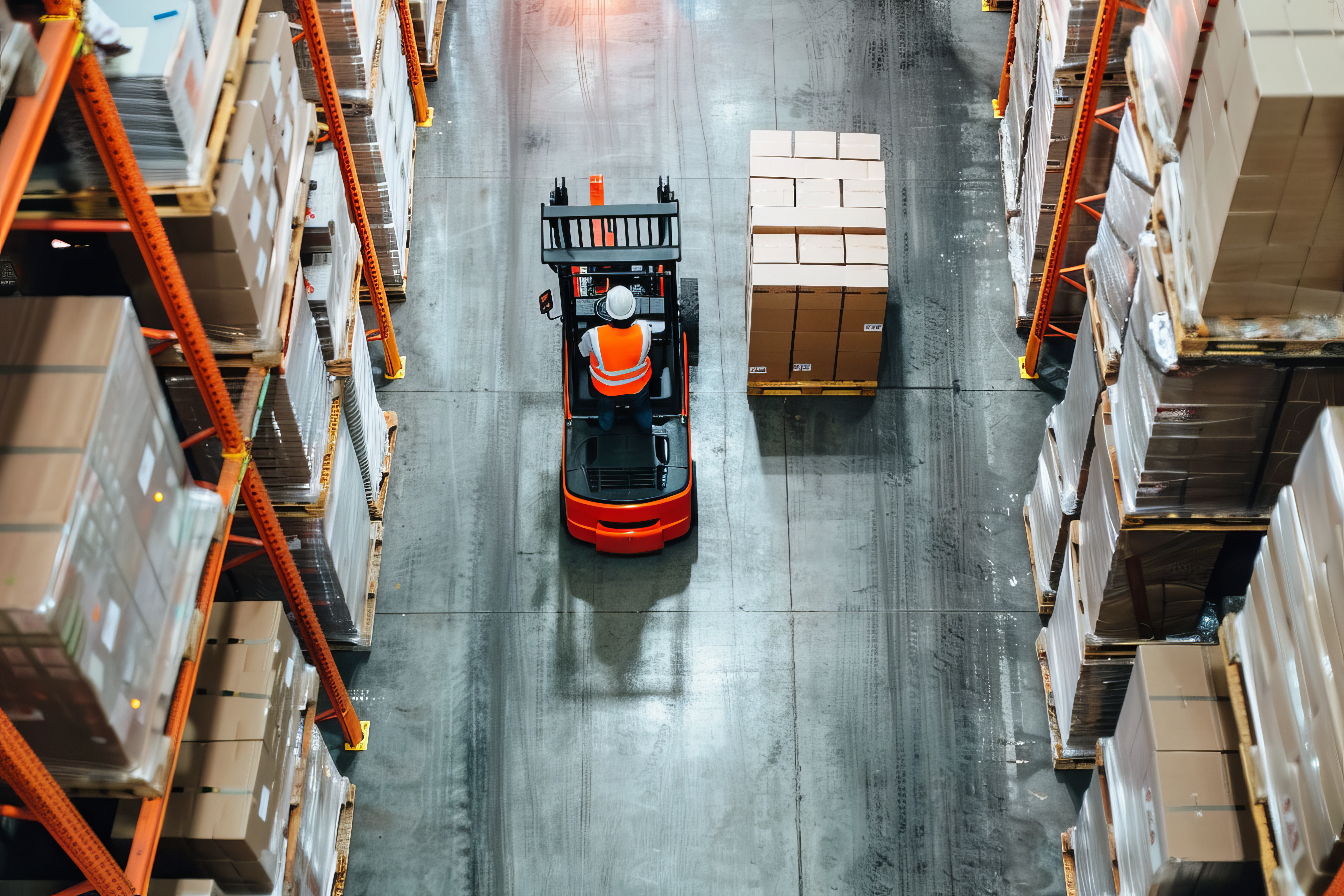
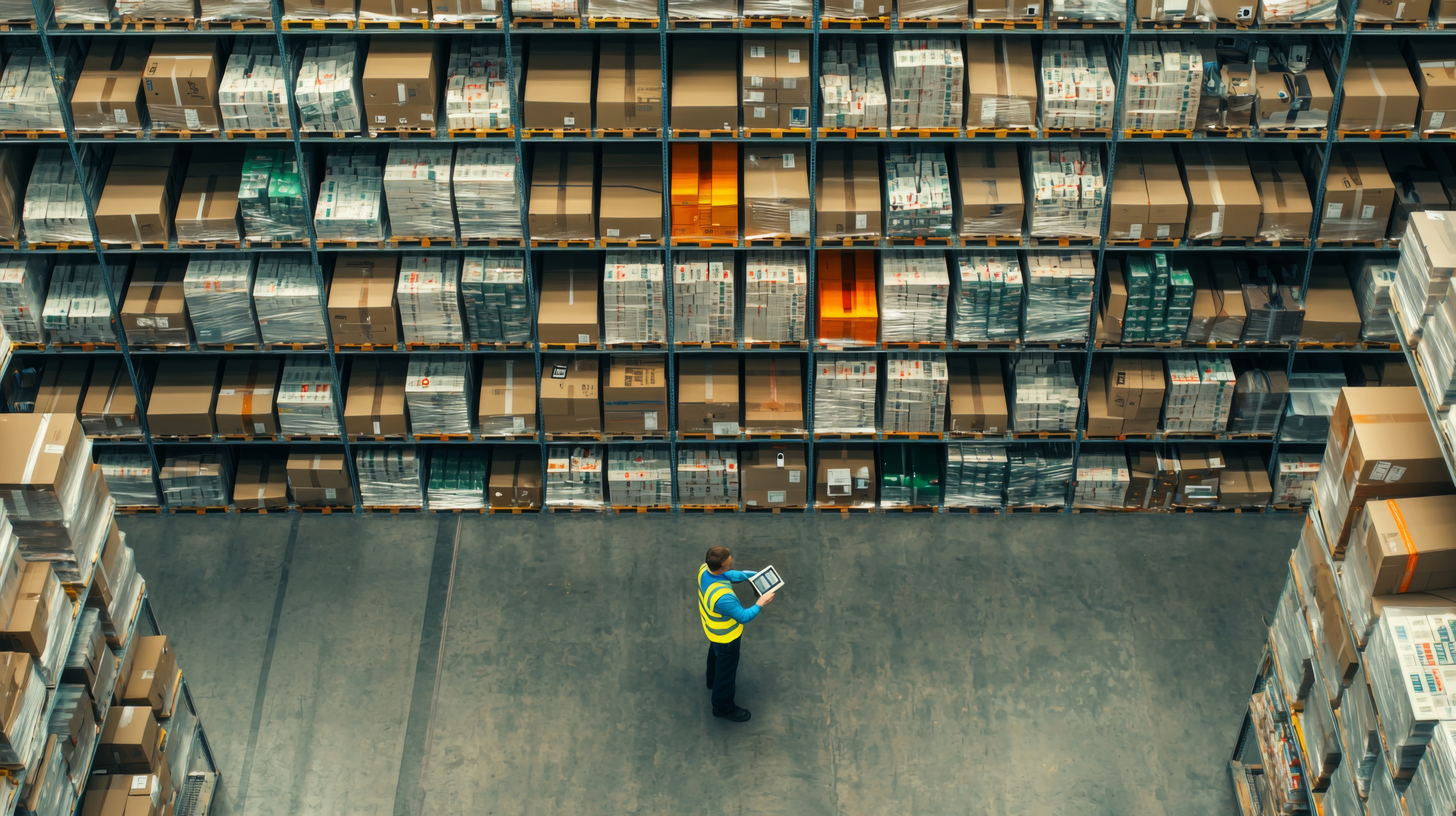
Join us on Dec. 3, 2025 at 9PT/12ET to discover how breakthroughs in warehouse and logistics technology are transforming supply chains and operations.
Join us on Dec 10, 2025 at 9PT/12ET to learn how midsize distributors modernize systems and use AI to boost efficiency, and growth.
This article makes the case for a strategic shift: treating sales talent not as a cost center, but as a growth engine.

The centerpiece is the Amazon Business Assistant, a conversational AI tool for procurement.

CEO Christine Leahy said the company is “embedding AI into the core of how we operate, serve, and grow.”
The distinction between distributor and service provider is beginning to blur.
Every time the unexpected happens, your reaction teaches your team how to handle the next one.
US Foods is turning artificial intelligence from a pilot project into everyday infrastructure — and it’s paying off.
An annual conference that prioritizes education for agency principals.
The outcome may determine if distributors keep their direct line to customers.
How Leading Distributors Are Turning Data into Competitive Advantage
The front door to B2B buying and selling is being rebuilt.
By combining cloud computing, data, and AI, Henry Schein is positioning itself as more than a healthcare distributor.
Amazon’s “agentic commerce” agenda signals the next transformation in digital distribution.
If you’re a Gen X leader in distribution, this is your moment.
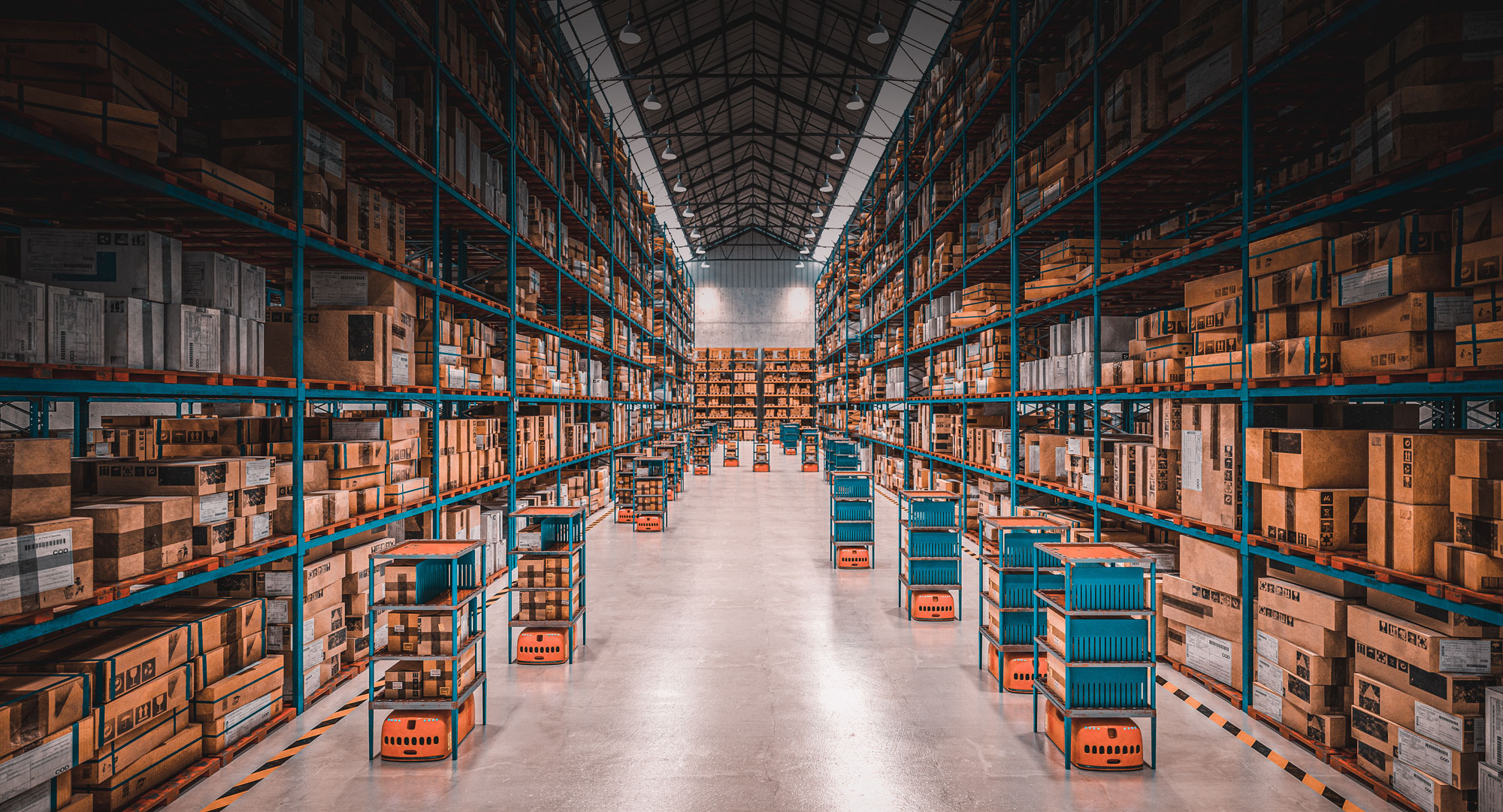
Amazon calls it a significant expansion of “physical AI.”
Distributors have access to a growing number of new technologies that enable them to work more efficiently and better understand their customers.
The frontier of AI is moving beyond systems that simply analyze and recommend.
Leadership means seeing what others don’t and acting before it becomes a headline or a hospital report.
A chief AI officer signals that artificial intelligence is central to the company’s future.
In the agentic model, algorithms — not purchasing managers — determine which suppliers appear at what price and under what terms.
The conversation around artificial intelligence in wholesale distribution has shifted from “if” to “when”—and according to industry experts, that window is narrowing rapidly. In
Leaders must decide how quickly to move and invest in AI.
GrubMarket said the agent draws on its proprietary food supply chain industry knowledge graph and can orchestrate workflows across APIs and browser functions.
The release is the first in a four-phase rollout of AI features planned by WayPoint.
Tech execs are also aware that AI can be used by bad actors, and 49.2% listed AI-driven cyberattacks as among their top concerns.
Gains in productivity and profitability come from embedding AI deeper into your processes.
It is not what distributors are doing that could increase profitability. Instead, it is what they are not doing.
To move beyond surface-level analysis, leaders need a structured way to diagnose what’s really going on. That’s where the ROAM model comes in.
The company expects the AI deployment to accelerate product development cycles and improve supply chain coordination.
B2B marketplaces are still the fastest-growing digital sales channel in B2B.
In distribution, the future isn’t “AI or not.” It’s AI that delivers profit and productivity—or falling behind those who make it happen.
Time management is about setting the rhythm so that you’re working on the right things.
The ability of AI to recognize attributes in product images of 5,000 SKUs has played a part in making the ecommerce site easier.
Distributors gaining ground aren’t just processing returns, they’re using intelligent systems to prevent returns.