Watsco is applying AI across its analytics, ecommerce, and customer service tools.
Articles
Menu
In distribution, onboarding’s not as simple as handing over a laptop and a pricing strategy.
As AI investment continues at record pace, its environmental footprint is becoming impossible to ignore.
Upcoming Programs
Join us on Dec 17, 2025 at 9PT/12ET to explore Real Use Cases and What’s Coming Next for AI in distribution.
Join us on Jan 7, 2026 at 9PT/12ET for a data-driven look at the current state of AI in distribution.
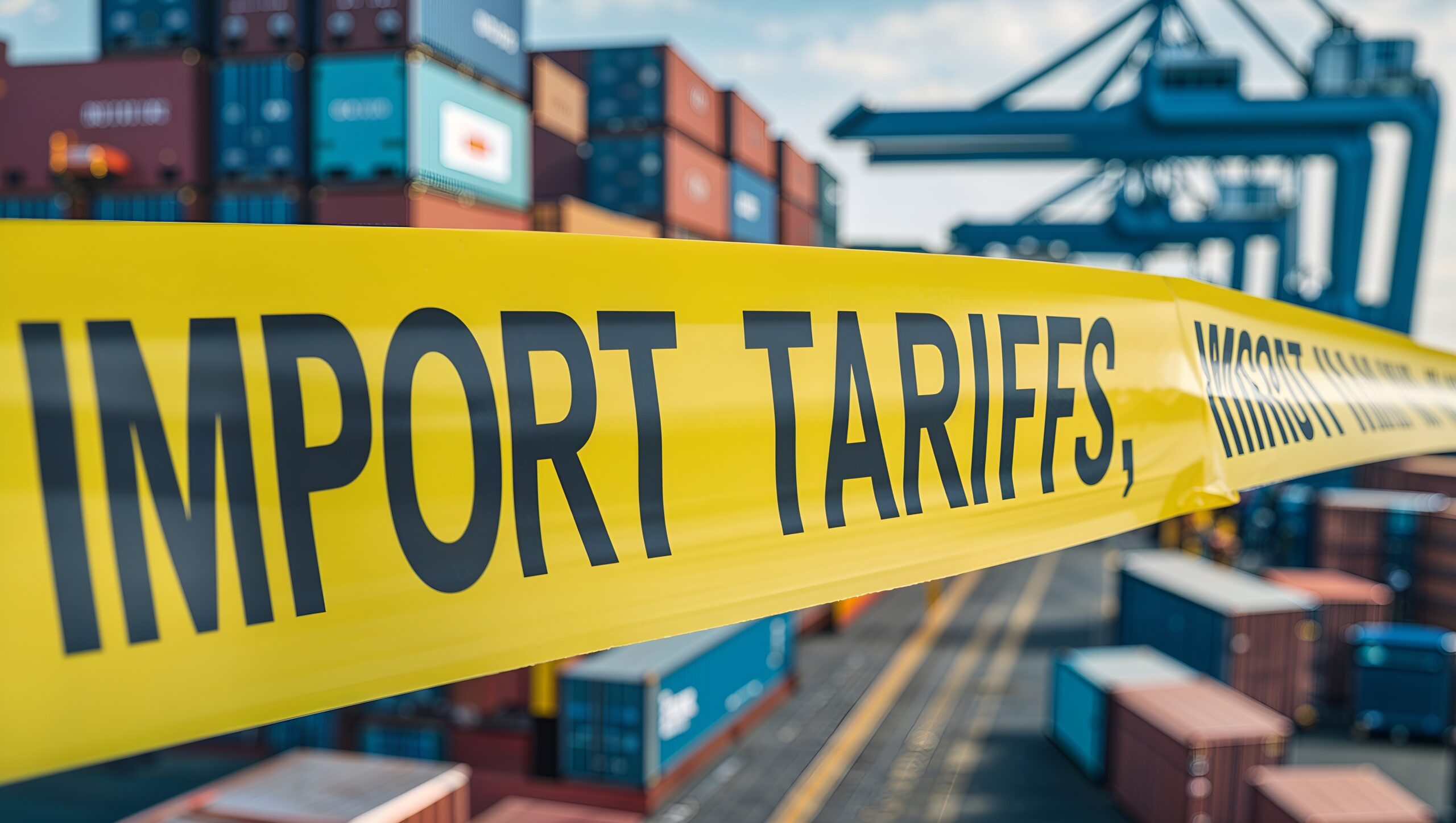
Tariff shifts hit the front lines first, long before ERP rules adjust, and that mismatch triggers early buys, overrides, and inventory drift. If it
Think of CRM and AI the same way you think of giving a rep a target list.
“Our goal isn’t piecemeal AI and automation — it’s natively embedded AI with a purpose,” said Dr. Ryan Hungate, chief clinical and strategy officer
If you’re a Gen X leader in distribution, this is your moment.
Amazon calls it a significant expansion of “physical AI.”
Distributors have access to a growing number of new technologies that enable them to work more efficiently and better understand their customers.

The frontier of AI is moving beyond systems that simply analyze and recommend.
Leadership means seeing what others don’t and acting before it becomes a headline or a hospital report.

A chief AI officer signals that artificial intelligence is central to the company’s future.
In the agentic model, algorithms — not purchasing managers — determine which suppliers appear at what price and under what terms.
The conversation around artificial intelligence in wholesale distribution has shifted from “if” to “when”—and according to industry experts, that window is narrowing rapidly. In
Leaders must decide how quickly to move and invest in AI.
GrubMarket said the agent draws on its proprietary food supply chain industry knowledge graph and can orchestrate workflows across APIs and browser functions.
The release is the first in a four-phase rollout of AI features planned by WayPoint.
Tech execs are also aware that AI can be used by bad actors, and 49.2% listed AI-driven cyberattacks as among their top concerns.
Gains in productivity and profitability come from embedding AI deeper into your processes.
It is not what distributors are doing that could increase profitability. Instead, it is what they are not doing.
To move beyond surface-level analysis, leaders need a structured way to diagnose what’s really going on. That’s where the ROAM model comes in.
The company expects the AI deployment to accelerate product development cycles and improve supply chain coordination.
B2B marketplaces are still the fastest-growing digital sales channel in B2B.
In distribution, the future isn’t “AI or not.” It’s AI that delivers profit and productivity—or falling behind those who make it happen.
Time management is about setting the rhythm so that you’re working on the right things.
The ability of AI to recognize attributes in product images of 5,000 SKUs has played a part in making the ecommerce site easier.
Distributors gaining ground aren’t just processing returns, they’re using intelligent systems to prevent returns.
Sales training doesn’t fail because reps are lazy or incapable.
Order processing rarely grabs headlines, but it often determines whether a distributor protects margin or watches it slip away.
You get tested when power and systems go out and you’ve got three hours to figure it out before you miss every commitment.
Smart logistics technology isn’t replacing human expertise, it’s amplifying it.
Palmer Holland, a Cleveland-based specialty chemical and ingredient distributor, has launched an AI-driven product knowledge platform aimed at streamlining how customers and suppliers access
Pattern uses artificial intelligence and machine learning to process more than 46 trillion data points and add 100 billion more each week.
As a catalyst for transformation, e-commerce strategies can be tailored for distribution and leveraged to facilitate improvements across customer experience, sales enablement, and supply
In this article, we detail the problems of sales cultures in mature B2B markets.
The tools to transform inventory from liability to assets are available today.